NOTE: PLEASE TAP ON ANY IMAGE TO SEE IT IN HIGH RESOLUTION
I’ve always fancied visiting Namibia and so in December, 2025 we called into Trailfinders, a travel agent we went to S. E. Asia with, to see what they could offer. We wanted to escape the UK winter weather for at least three weeks and there was no holiday really suitable.
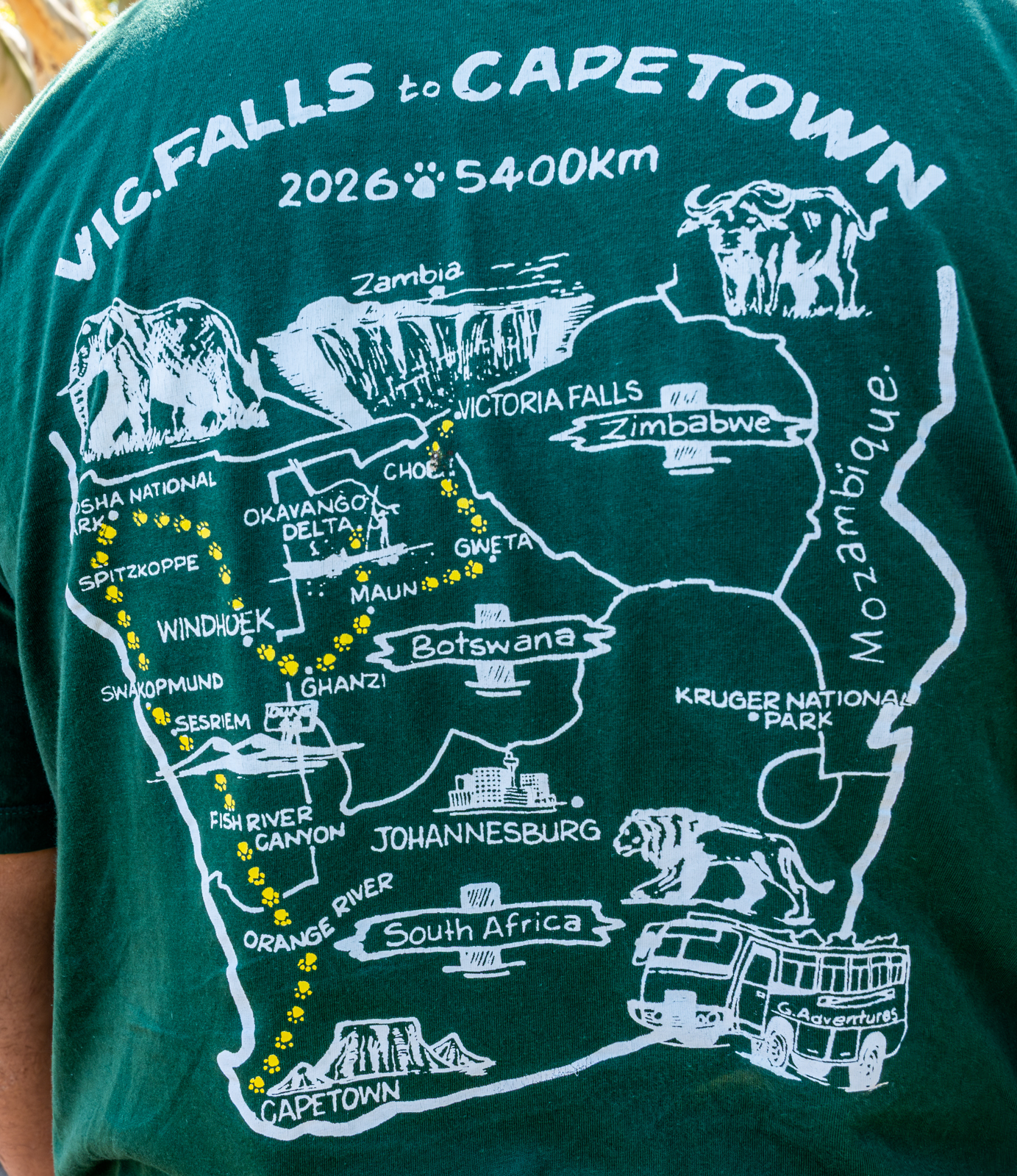
However, the agent mentioned that ‘G Adventures’ ran an overland trip starting in Victoria Falls in Zimbabwe, going on through Botswana and Namibia before ending up in Cape Town, South Africa. The prospect of doing an overland trip in Africa sounded most appealing, but being in our late seventies we were a little dubious. We thought about it for around thirty seconds before handing our credit card over to cover the deposit.
The actual trip was to start on Sunday the 29th March but we made flight arrangements to arrive into Victoria Falls, via Cape Town, on Friday the 27th. Everything went to plan for us, but not unfortunately for our luggage which we assumed had missed the connection in Cape Town. It finally caught up with us on Sunday evening in Kasane, Botswana by which time we had been wearing the same clothes for four days.
Initially, eleven people started the trip but four left us in Windhoek, leaving just the seven us to spread out in the 24 seater vehicle. Perfect for us but not so good for the organisers.
The majority of people on the trip were in their thirties, or early forties, but seemed to accept us, making the whole holiday a most enjoyable experience.
VICTORIA FALLS, ZIMBABWE
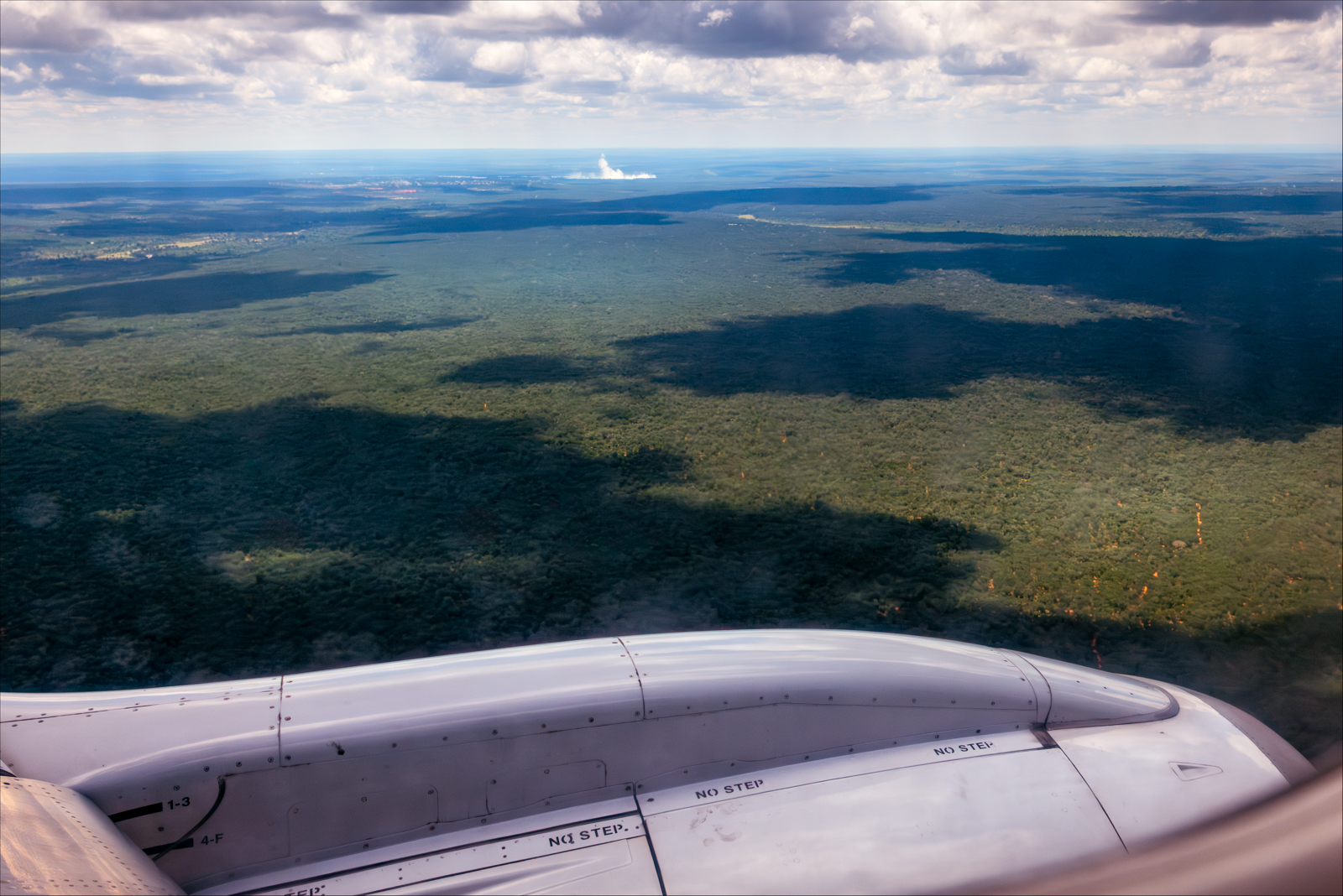
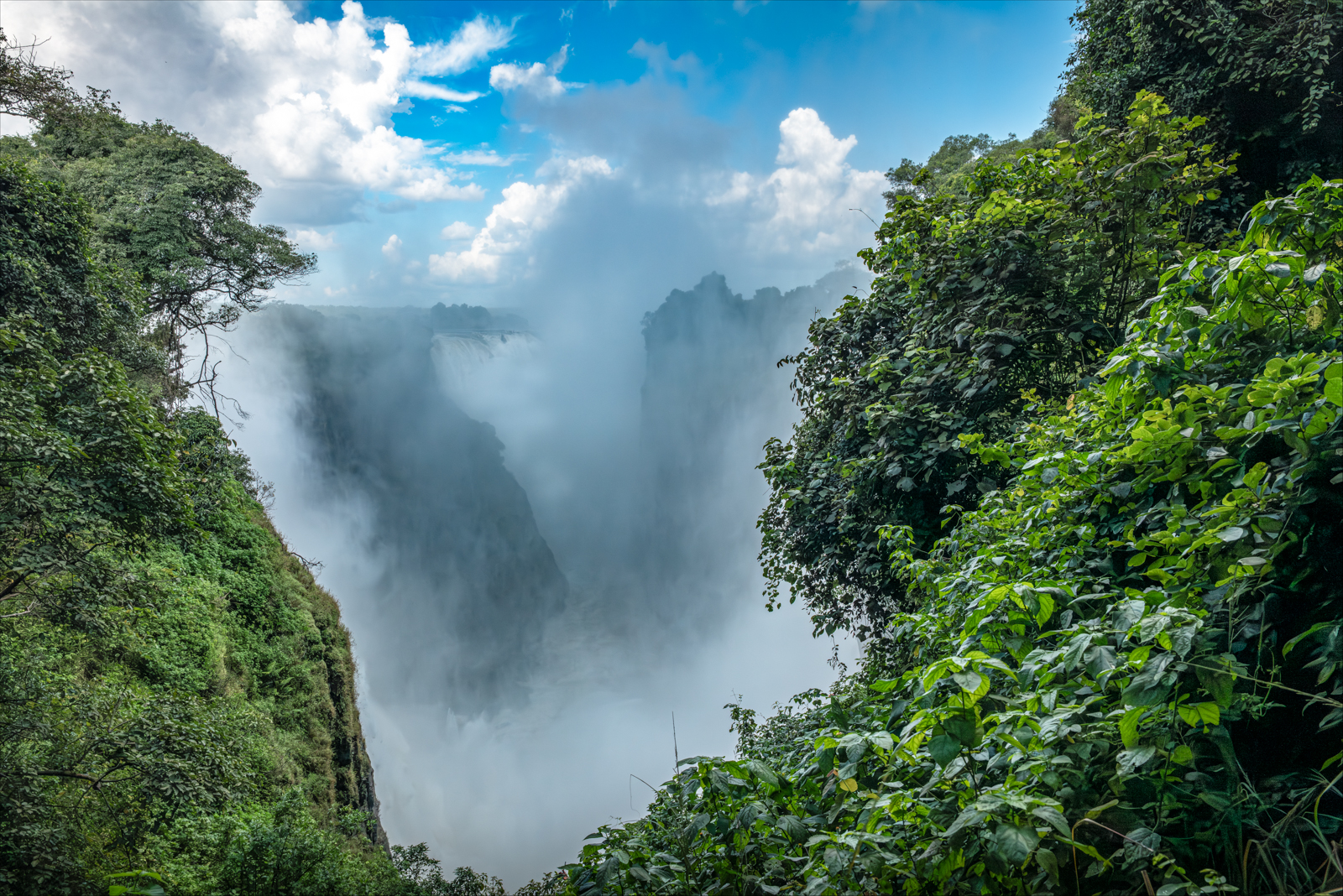
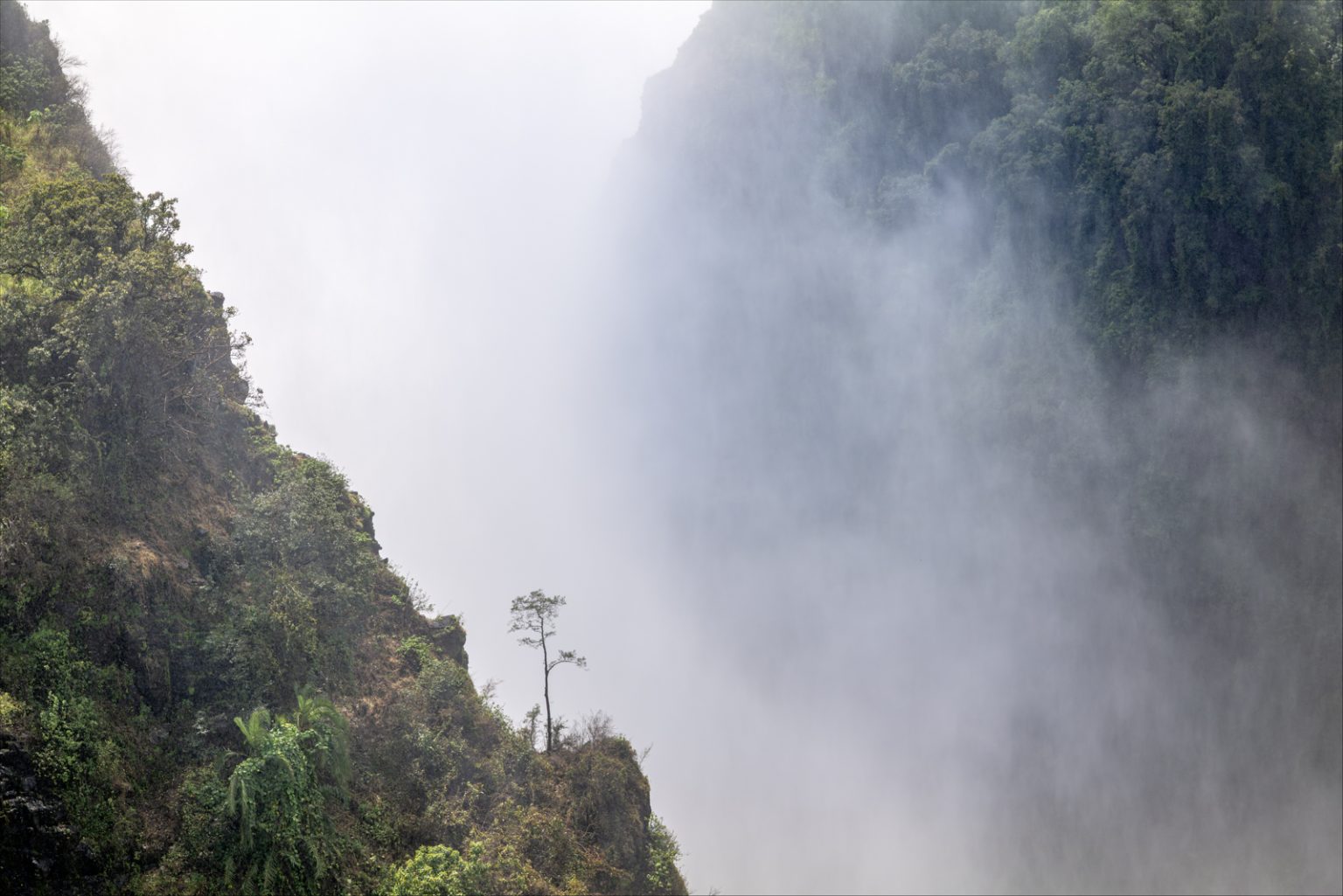
Above: Our first view of Victoria Falls since 1976 when we lived in Zambia for two years. The official name for the falls is ‘Mosi-oa-Tunya’, but we always knew it as ‘Smoke Without Fire’ but is now more commonly called ‘Smoke That Thunders’.
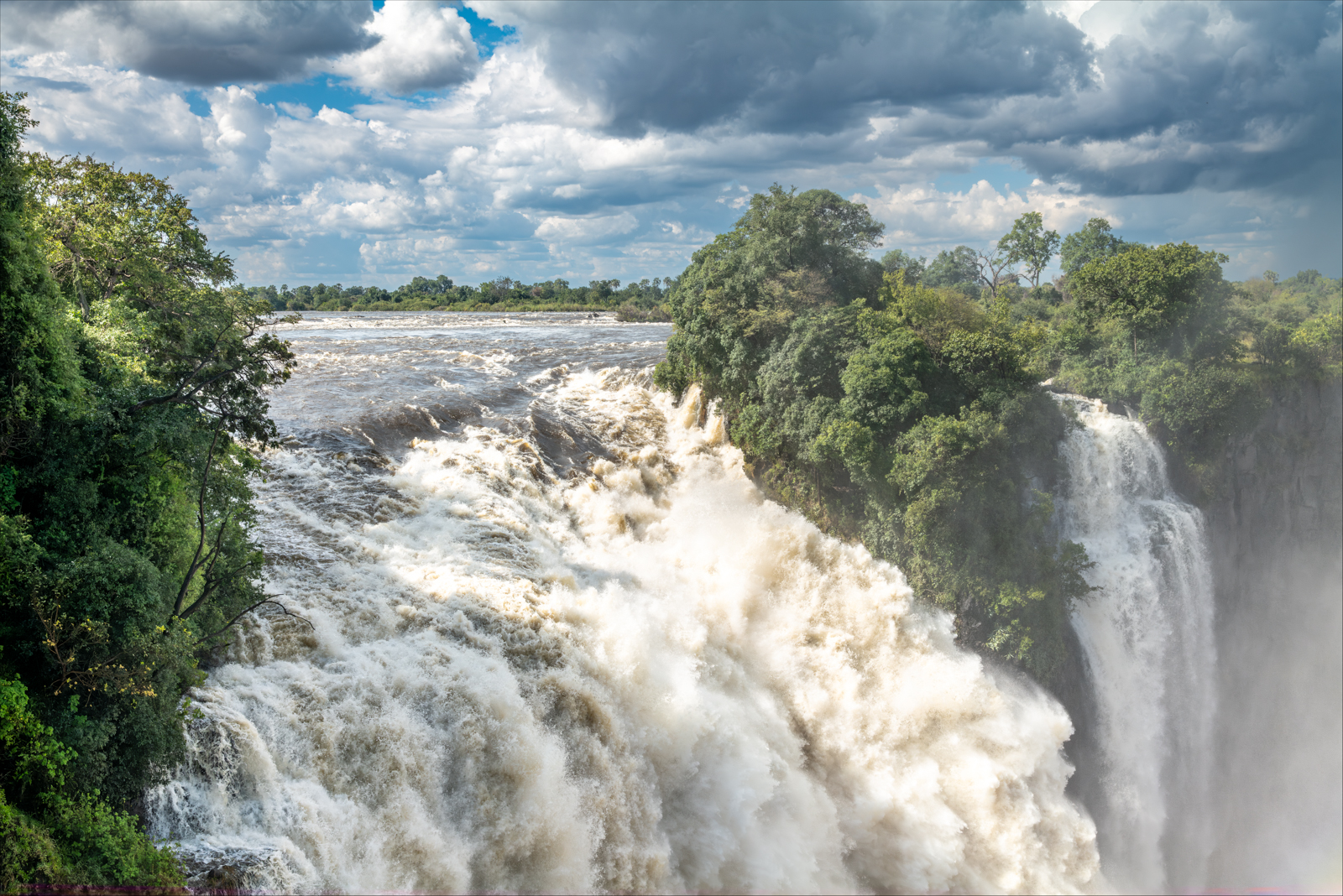
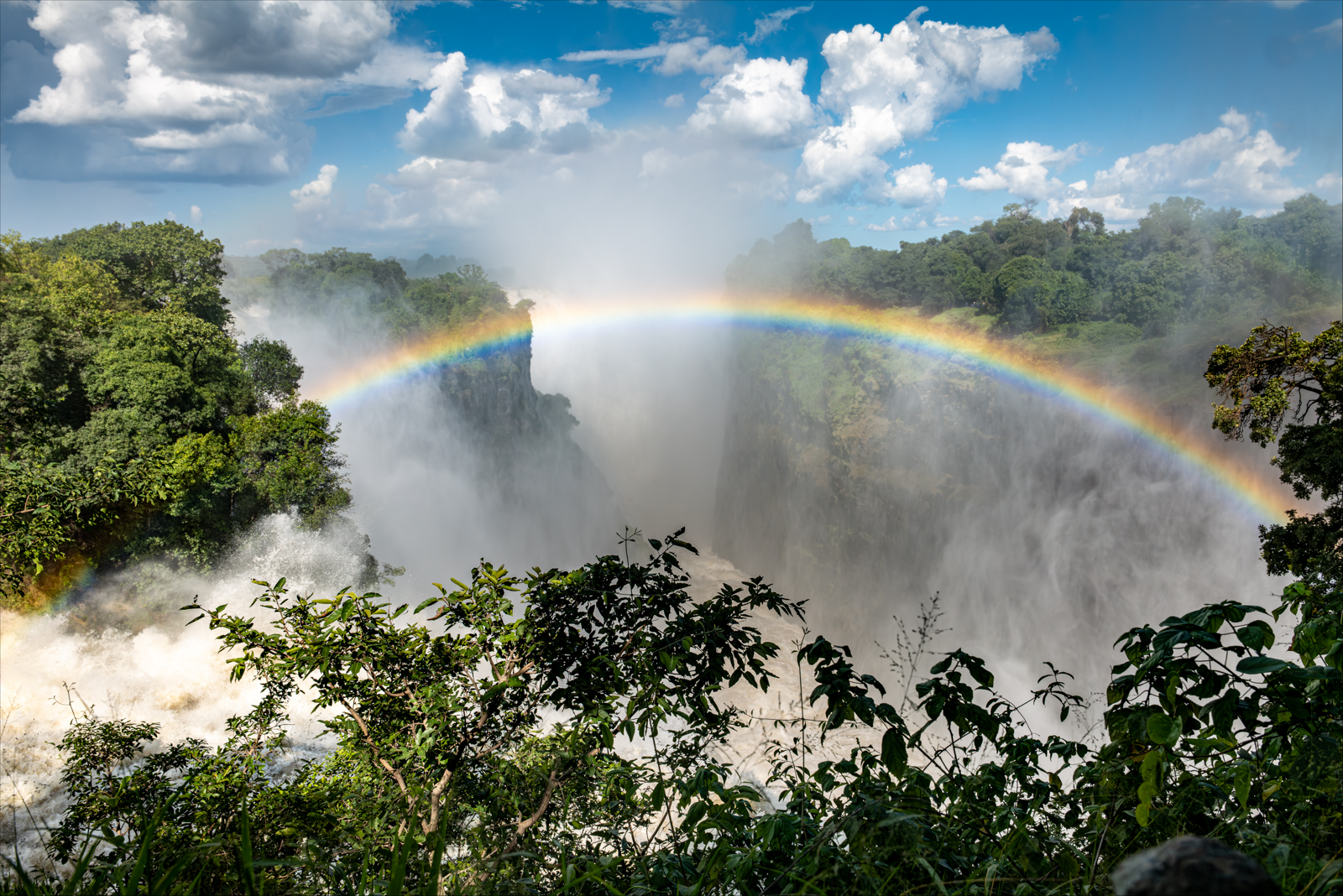
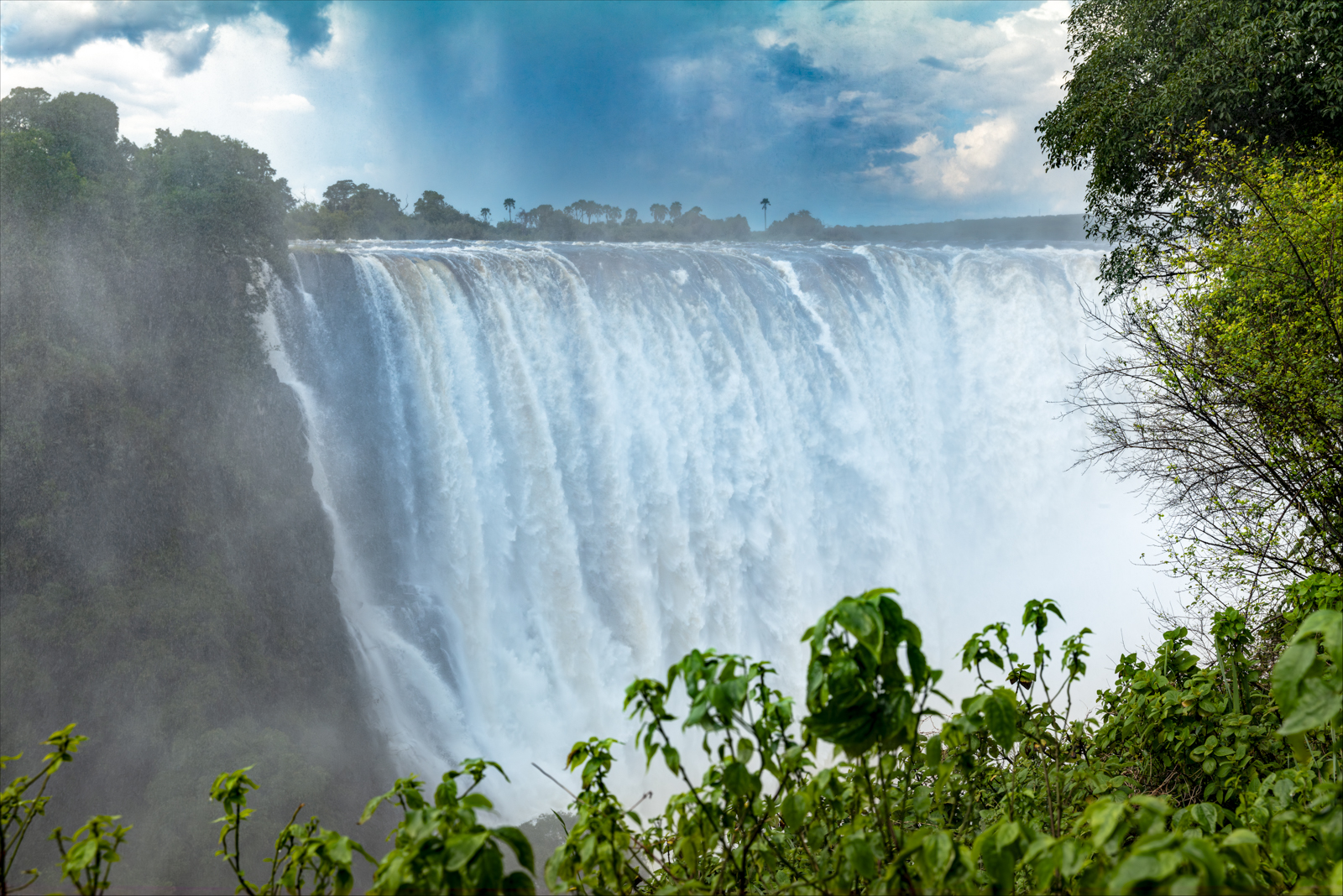
Above: Zimbabwe was just coming to the end of the rainy season which meant that the Falls were almost in full flow and made them difficult to photograph because of the heavy spray. We did get soaking wet which wasn’t good, as having lost our luggage we didn’t have anything to change into.
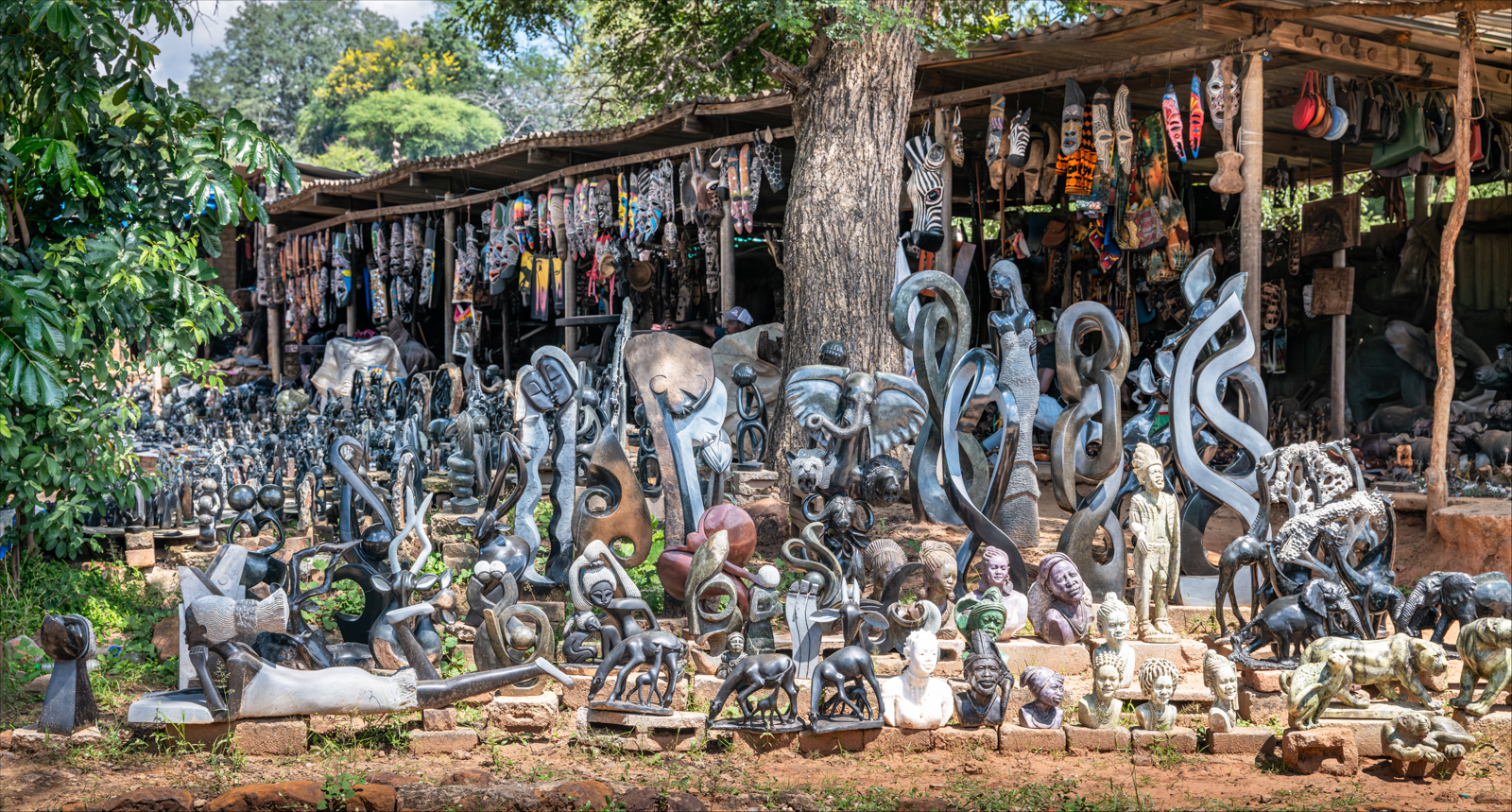
Above: there are many curio shops throughout Africa selling really wonderful carvings and Victoria Falls, with its many visitors, is no exception.
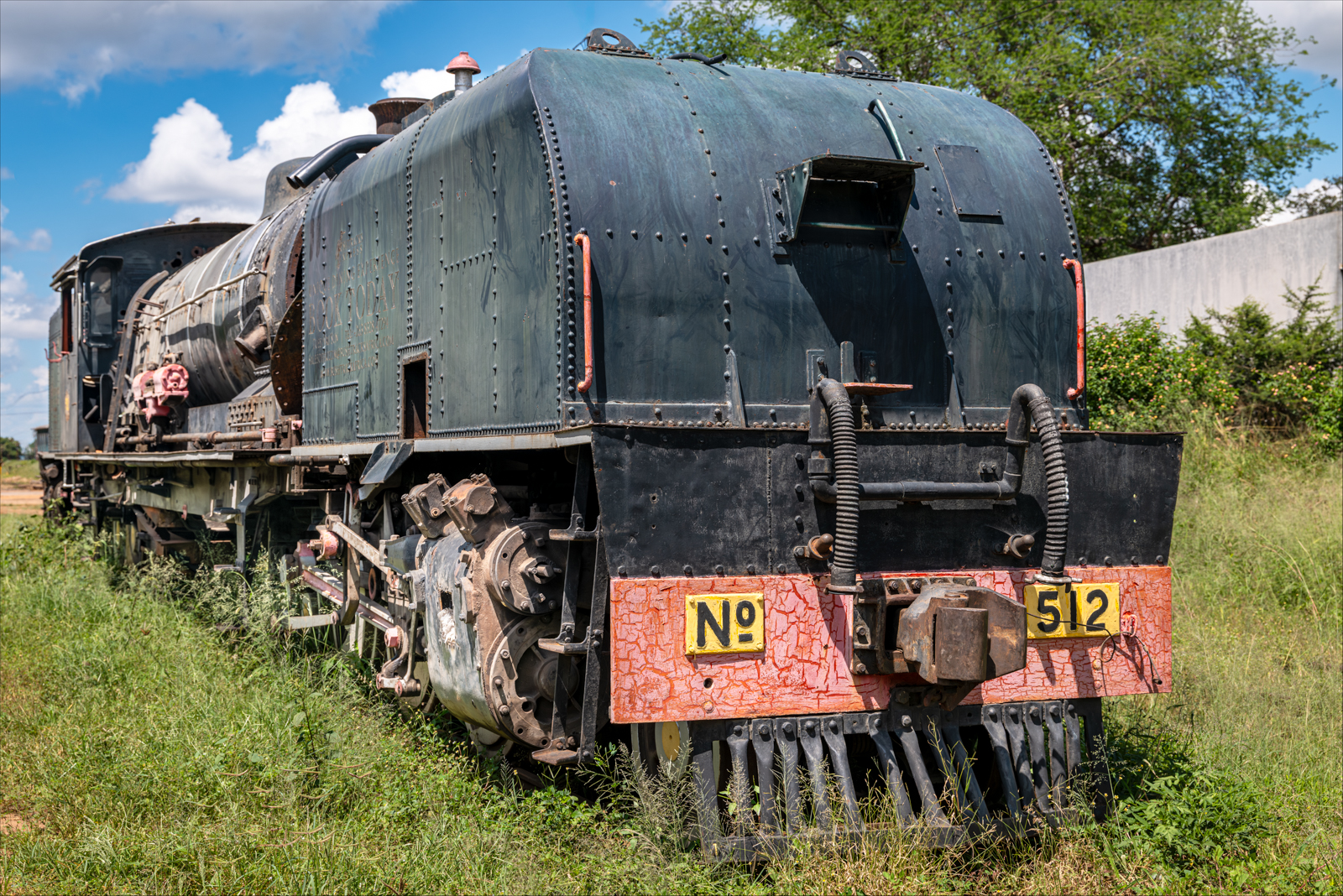
Above: one of the many powerful old steam engines which plowed their way across Africa, now in retirement in Victoria Falls.
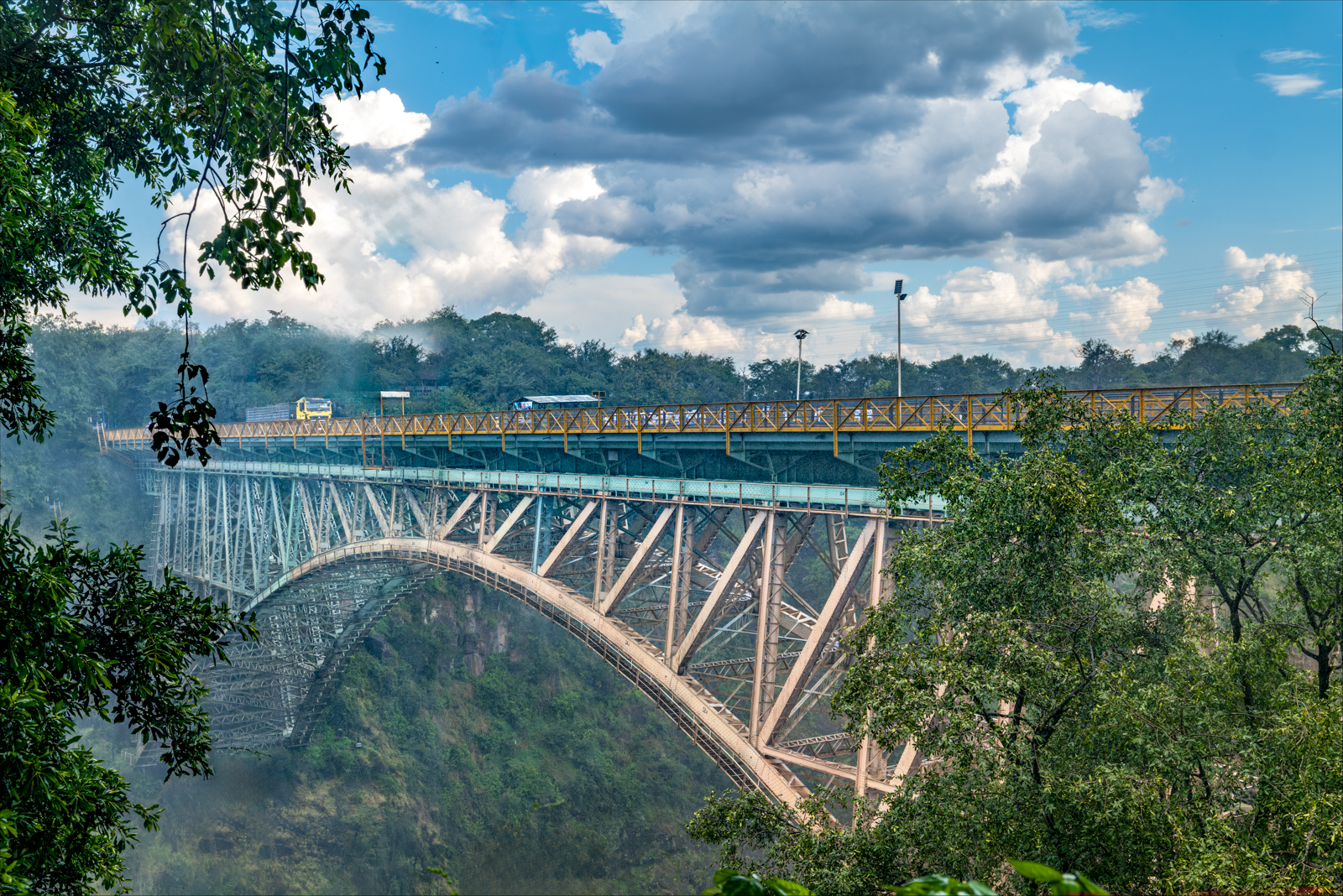
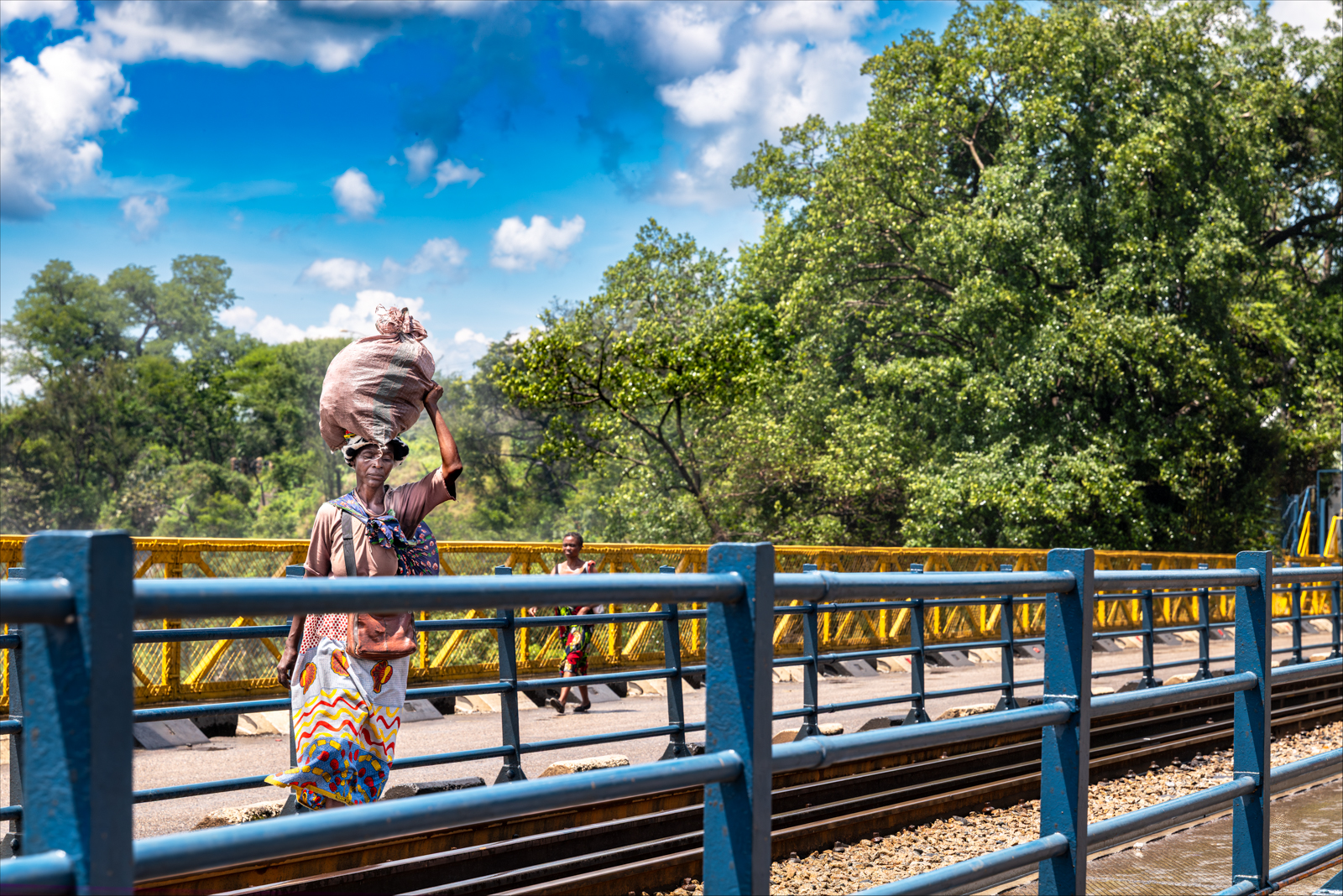
Above: the bridge forms the border between Zimbabwe and Zambia. For old times sake we just had to walk across back into Zambia.
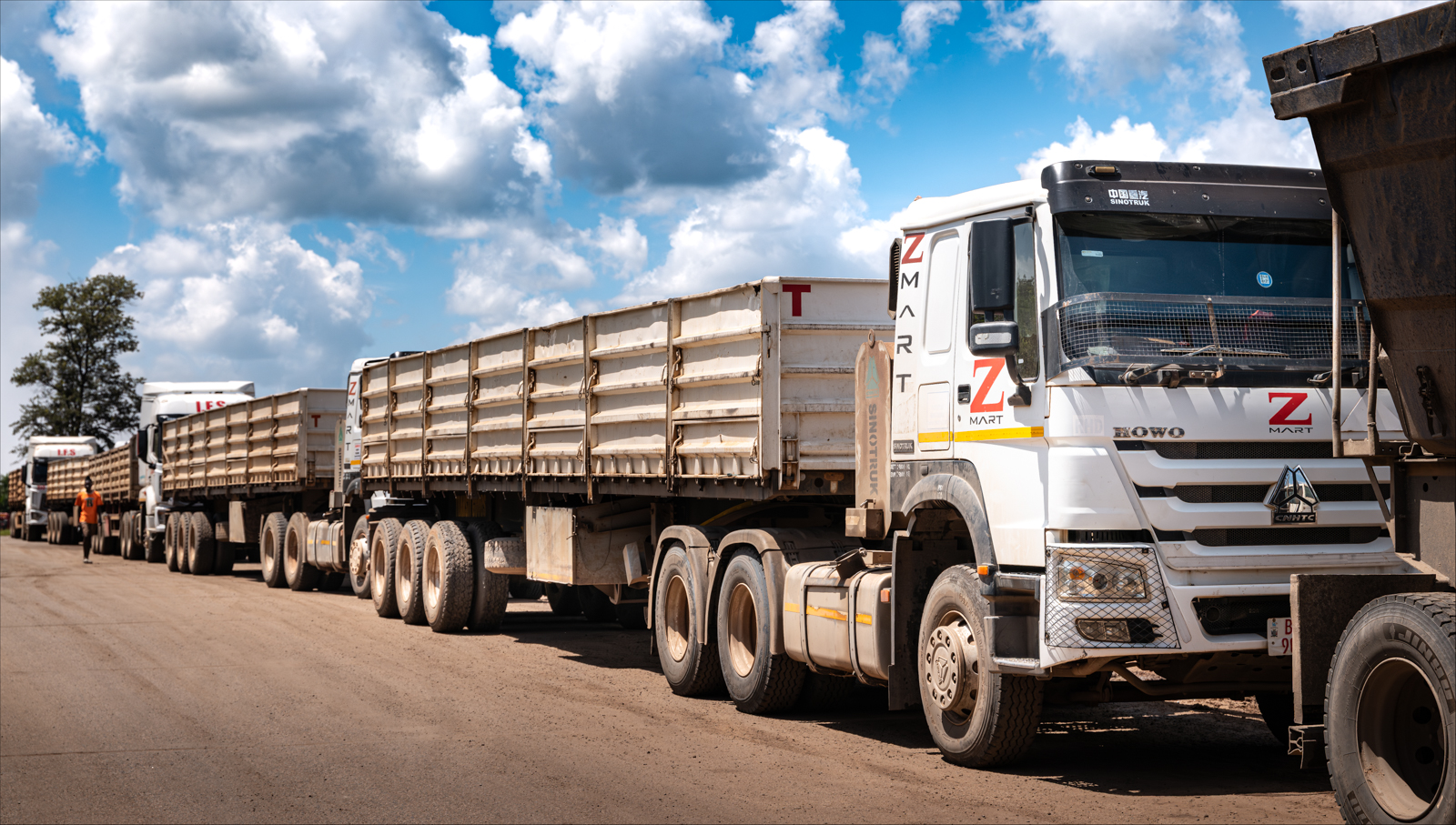
Above: trucks queuing to cross the single-lane bridge, these are mainly transporting copper from Zambia to ports in either Namibia or South Africa, for export around the world.
Above: couldn’t resist one last shot of Victoria Falls from the bridge.
VICTORIA FALLS TO KASANE IN BOTSWANA
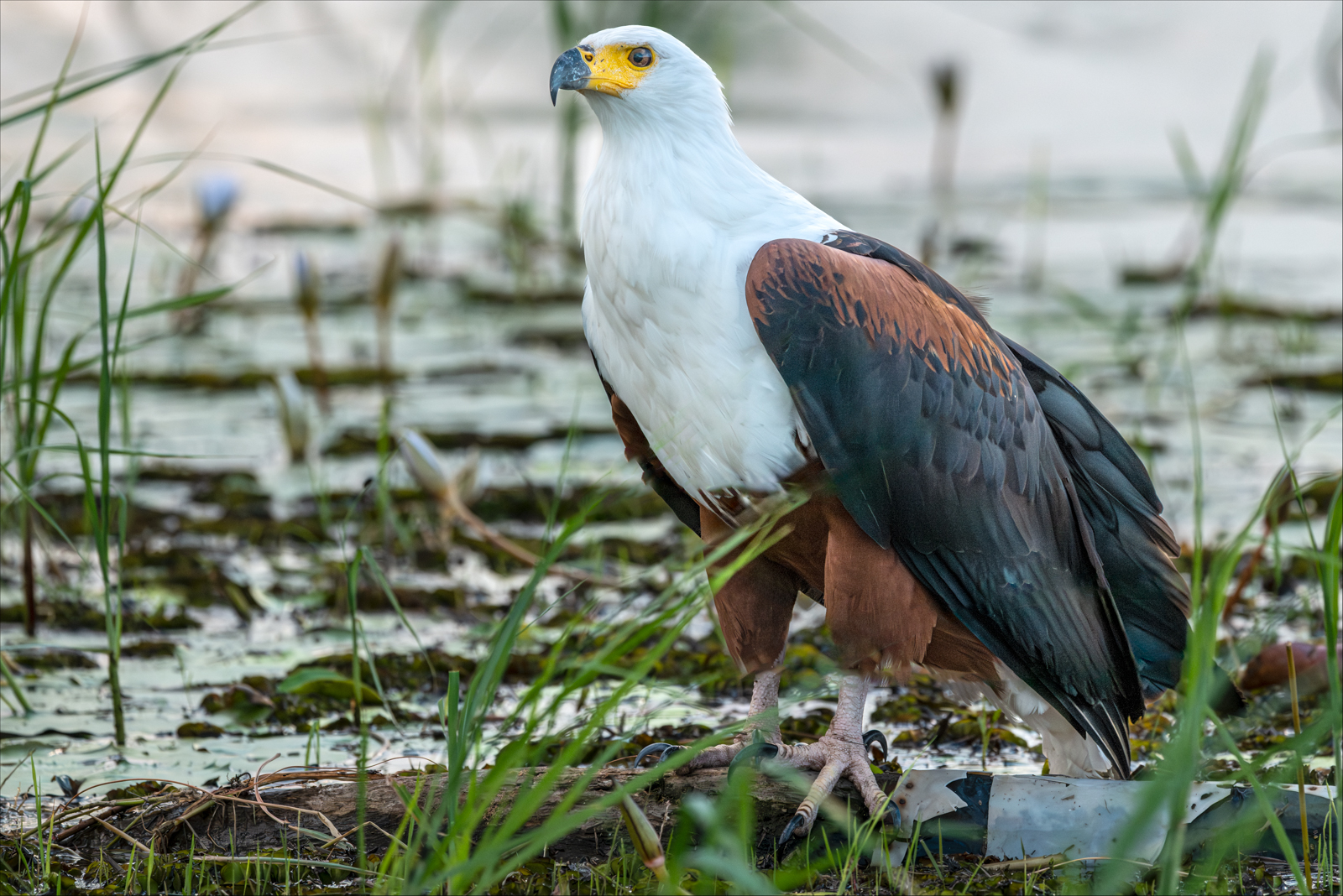
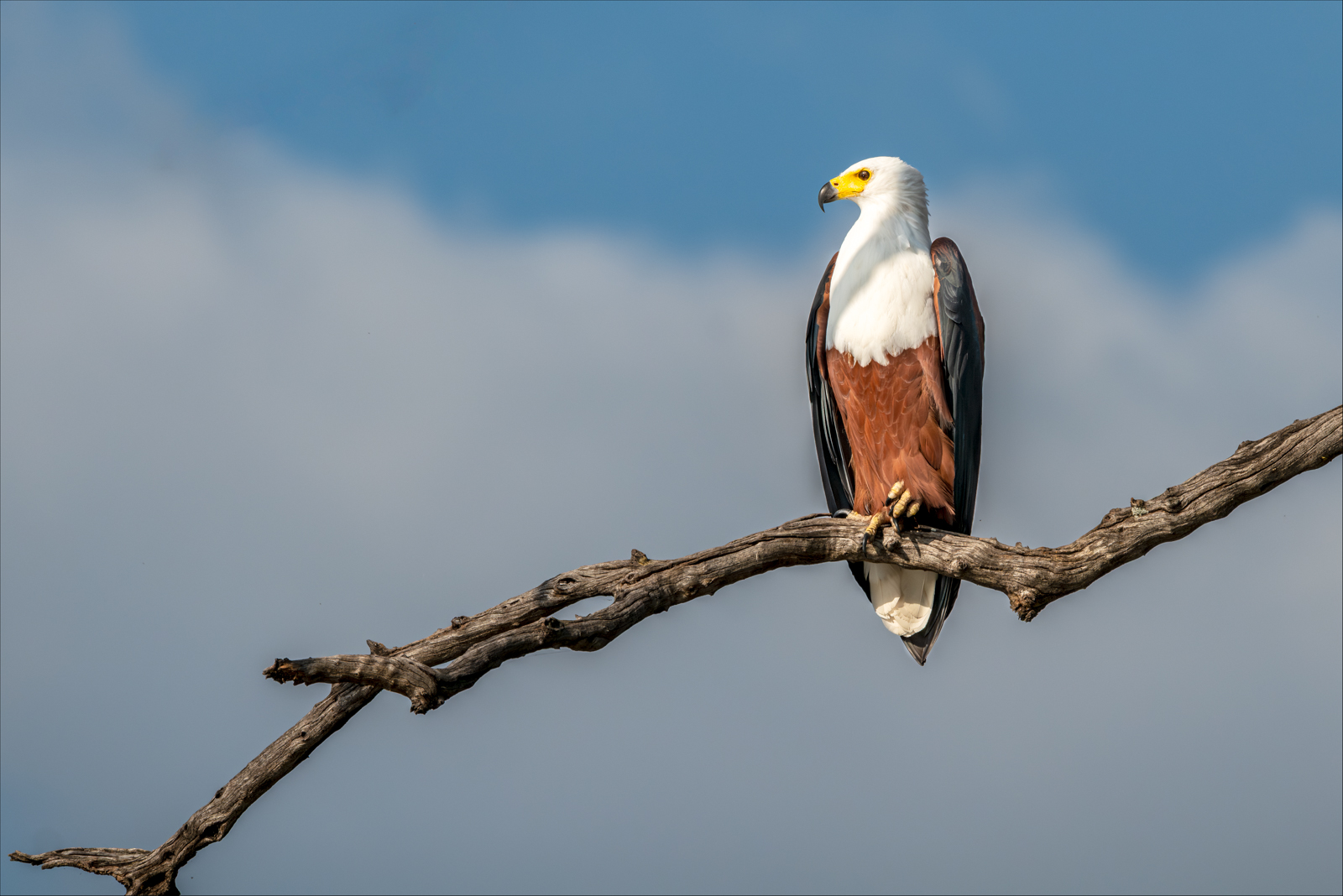
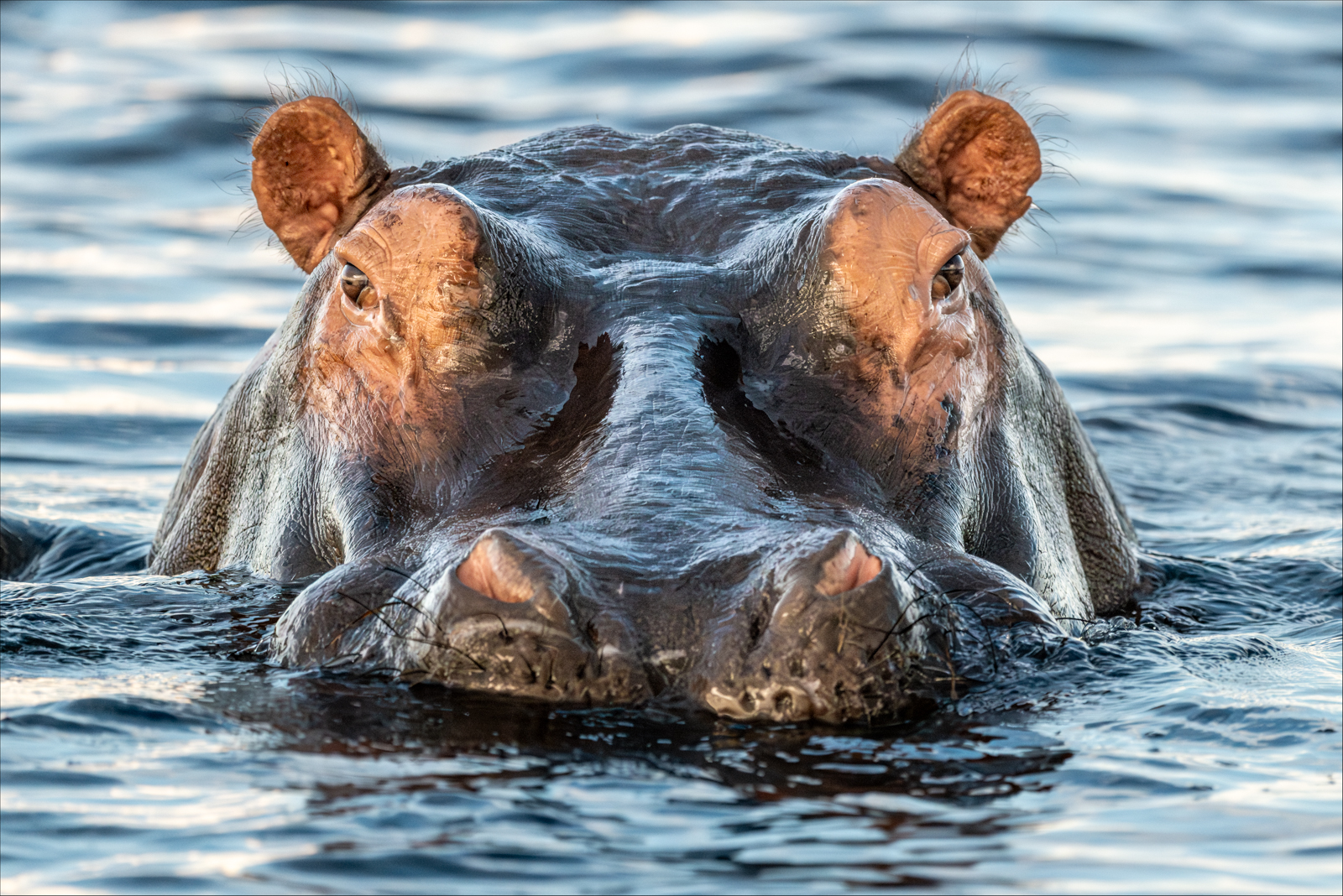
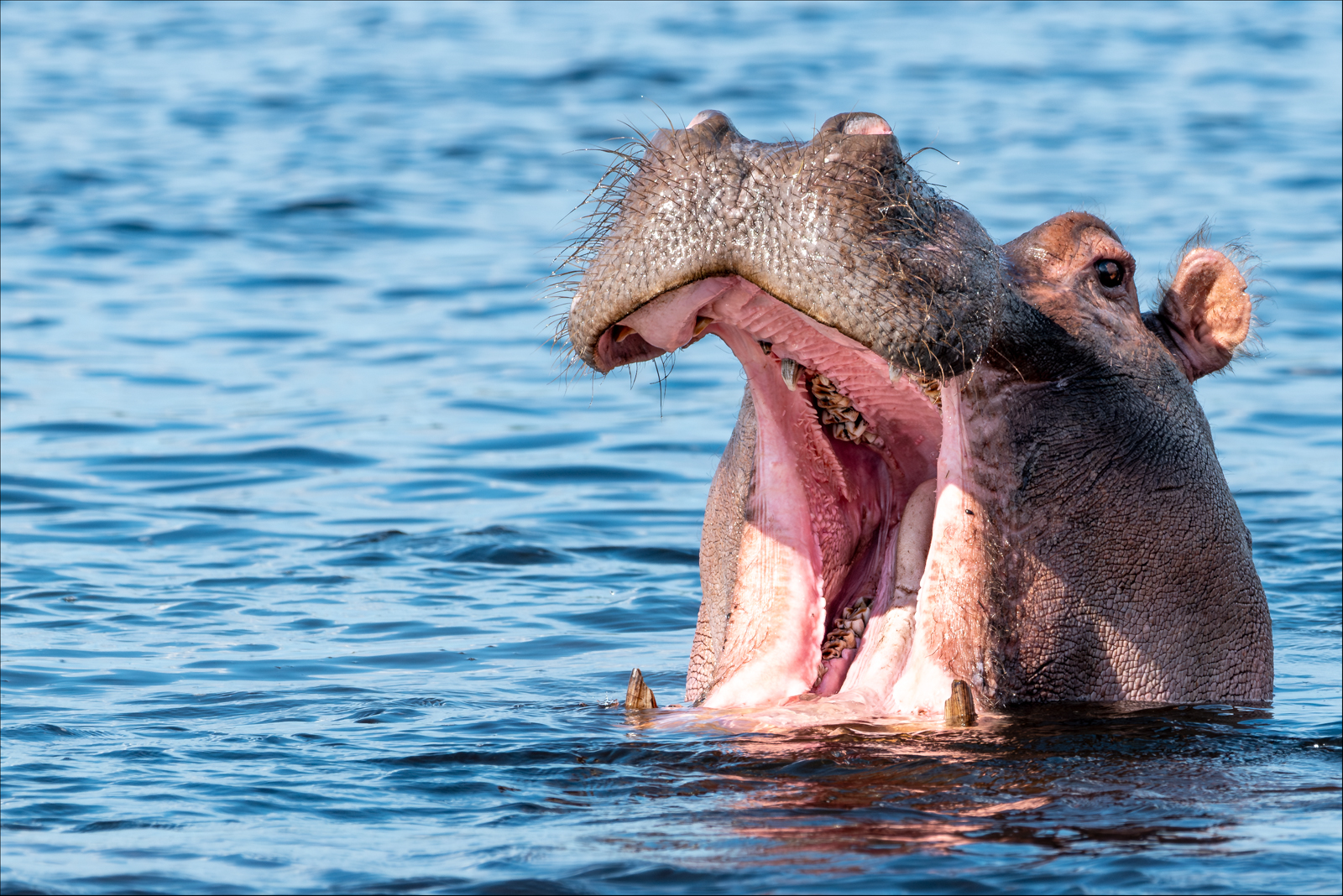
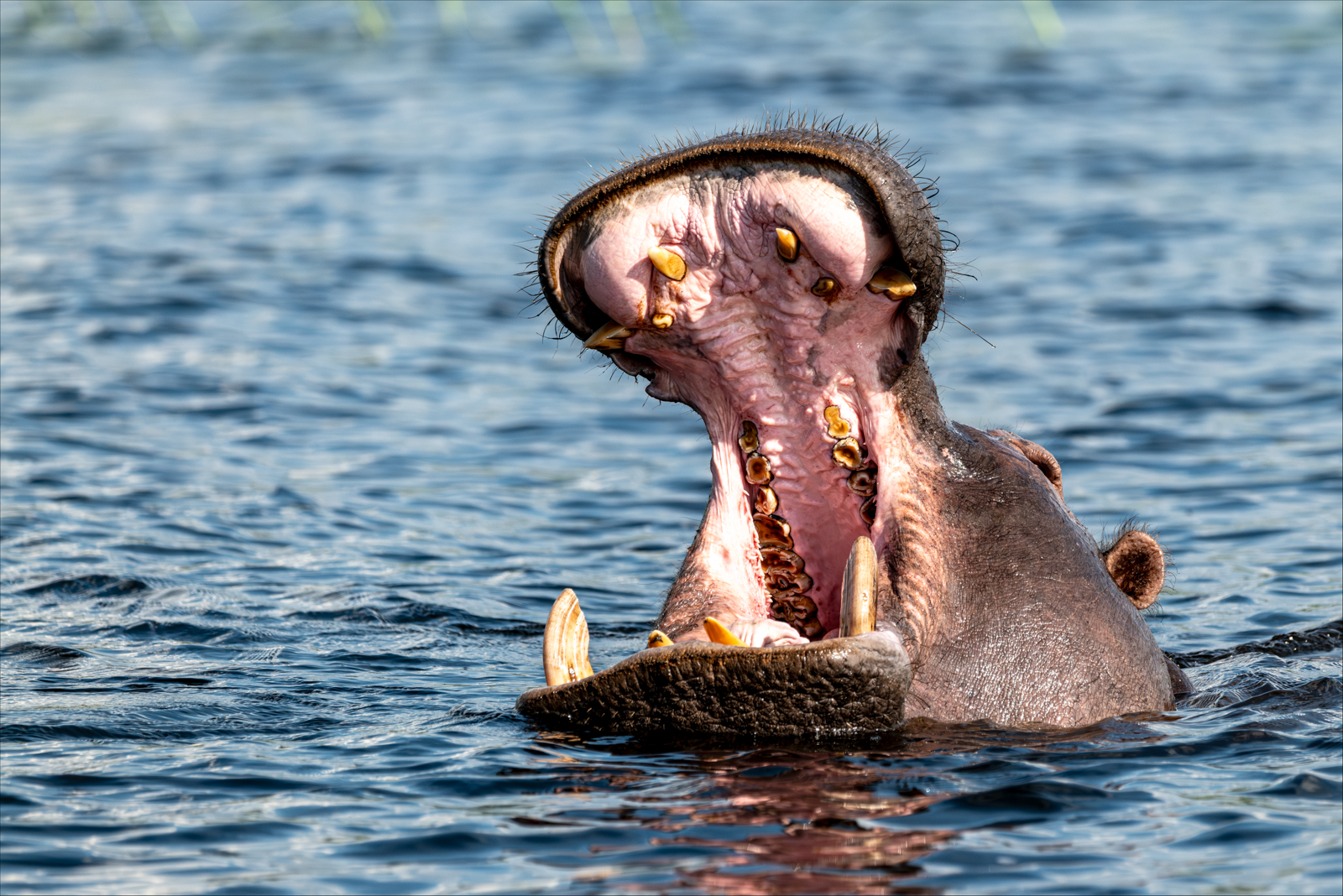
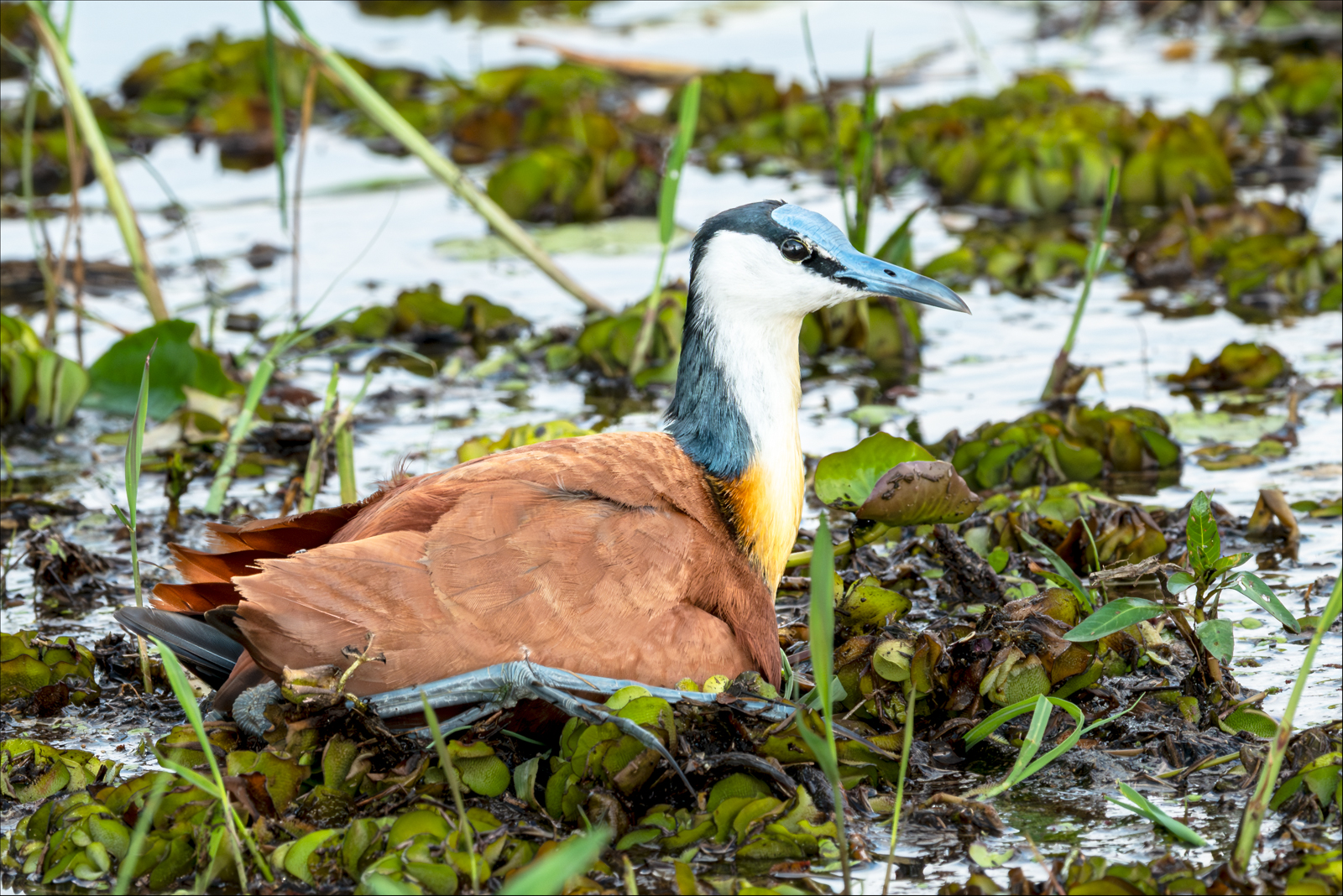
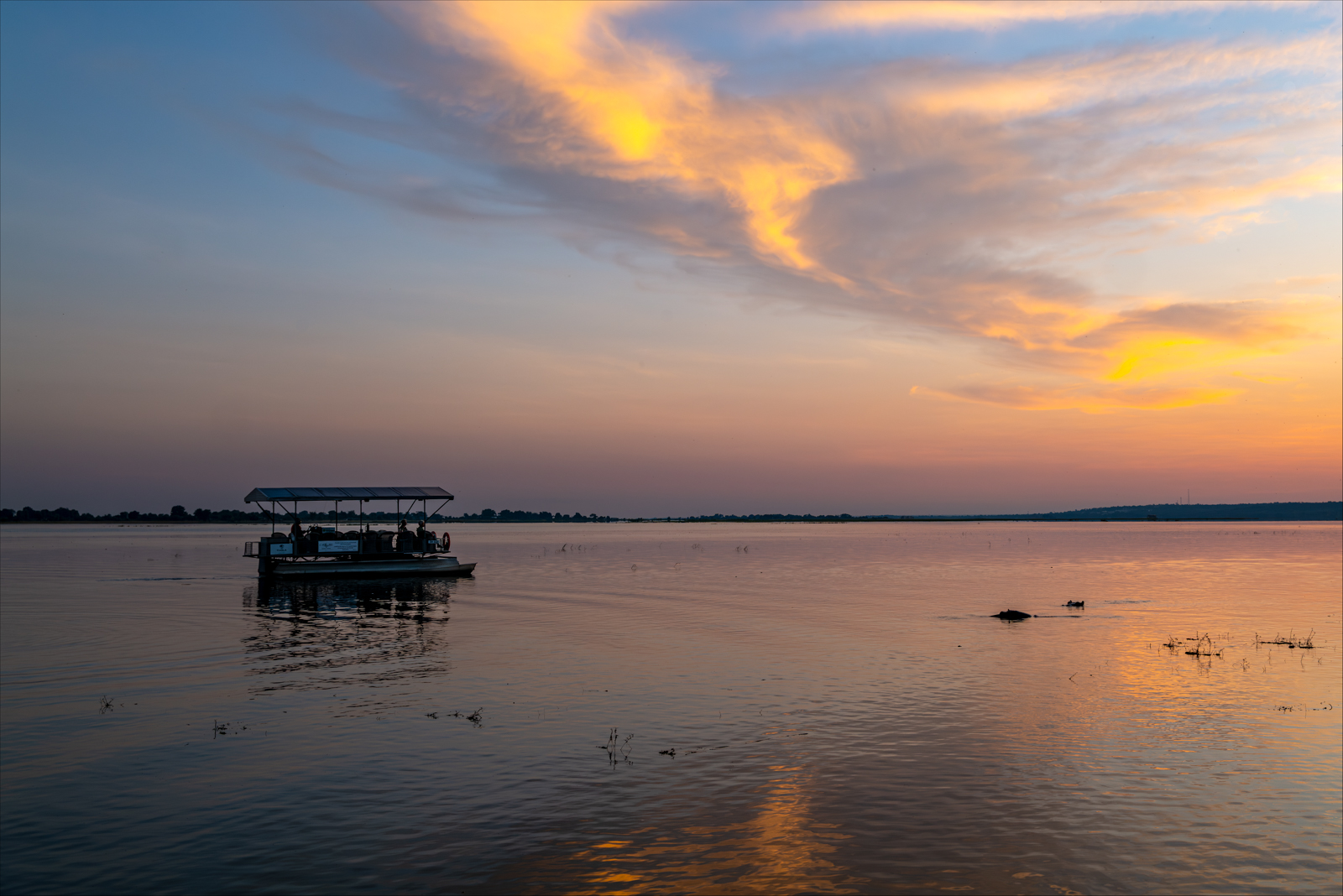
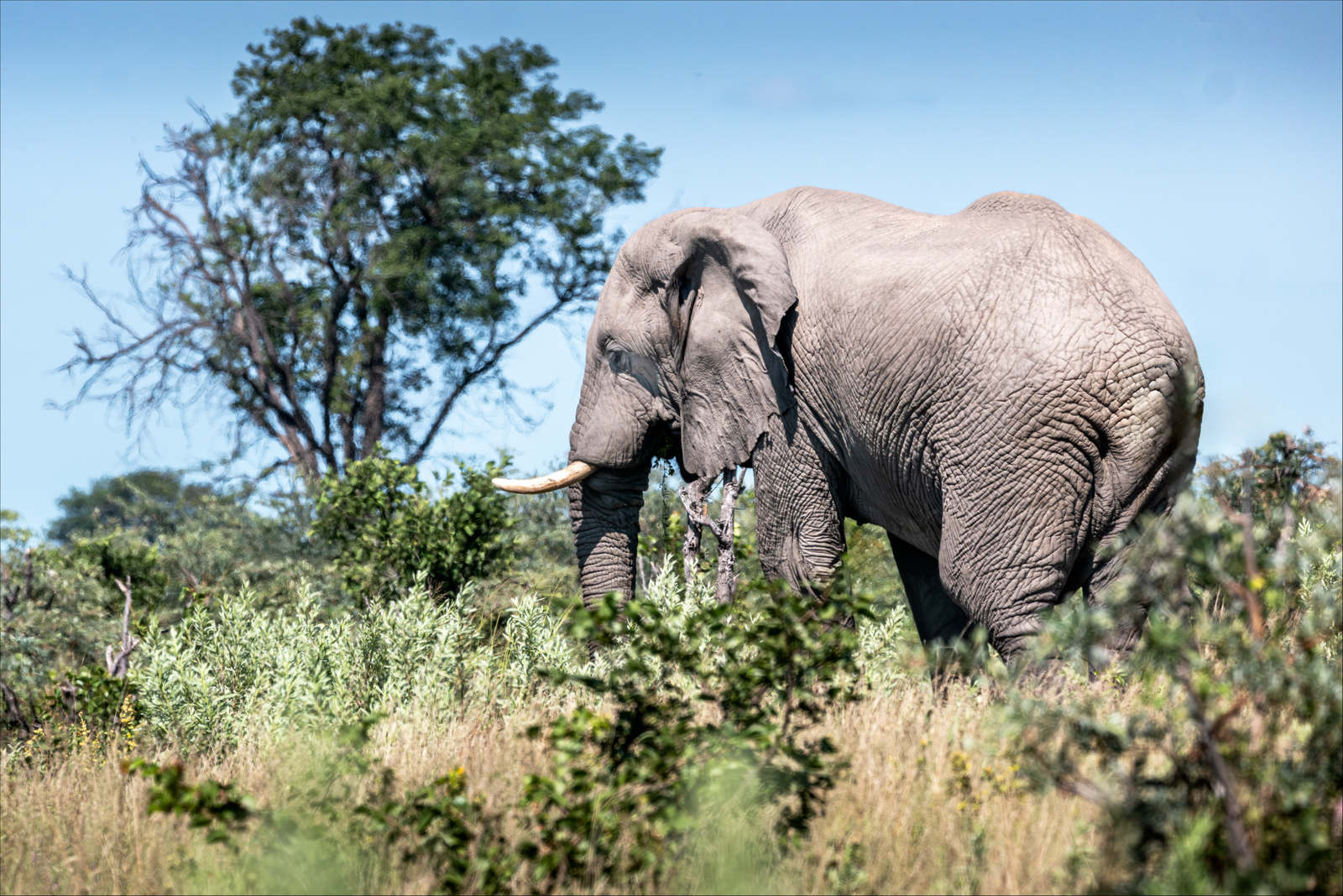
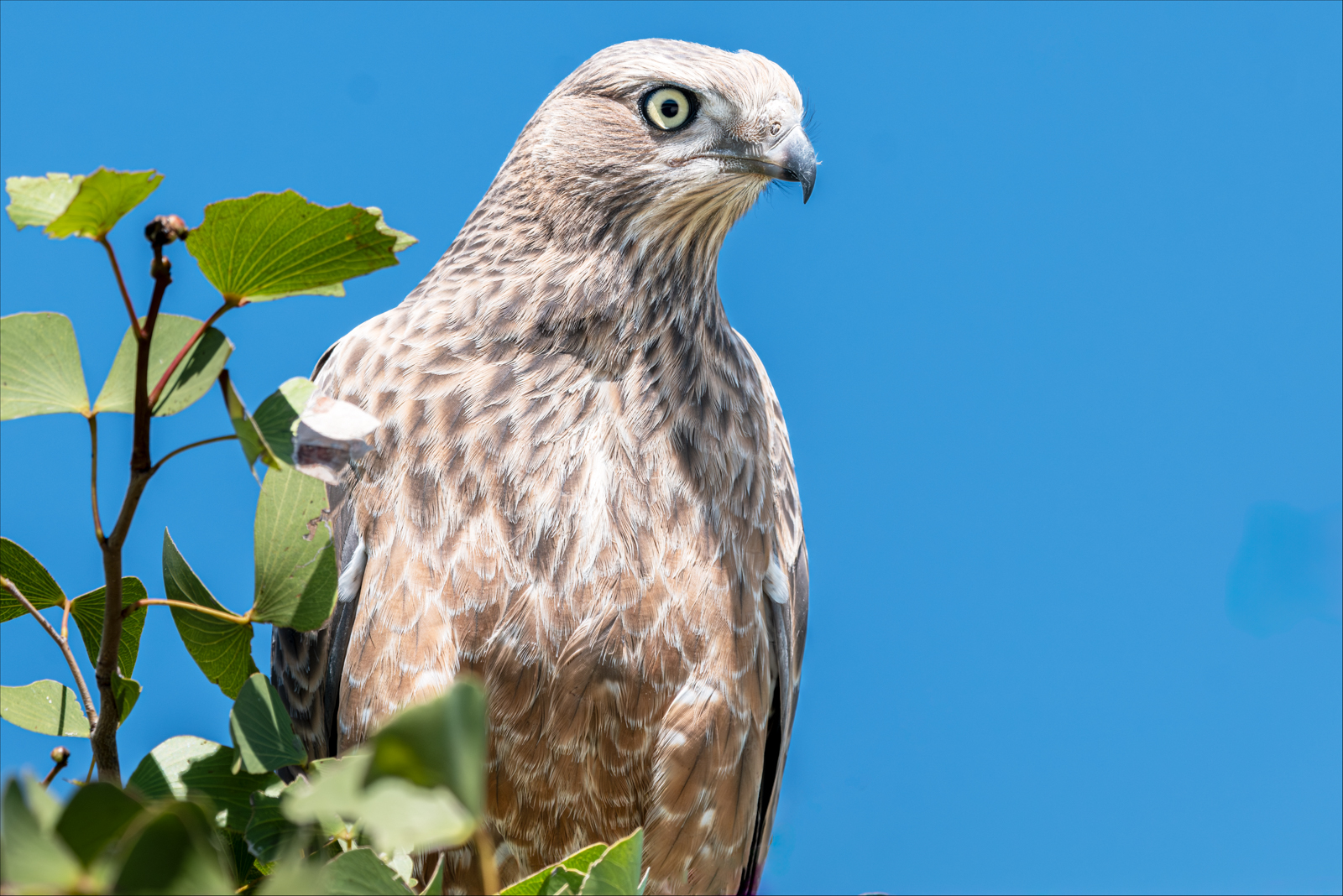
Above: having crossed into Botswana at Kazungula we proceeded to Kasane, just outside the gates of Chobe National Park, which is home to the largest elephant population in Southern Africa. We then did a sundowner cruise, the only one I’ve been on when the beer didn’t flow freely (we had to take our own) and I managed to photograph some of the hippos and birds we saw. I’m no expert in birds, or any wildlife for that matter; but I believe the first two are Fish Eagles.
CHOBE NATIONAL PARK
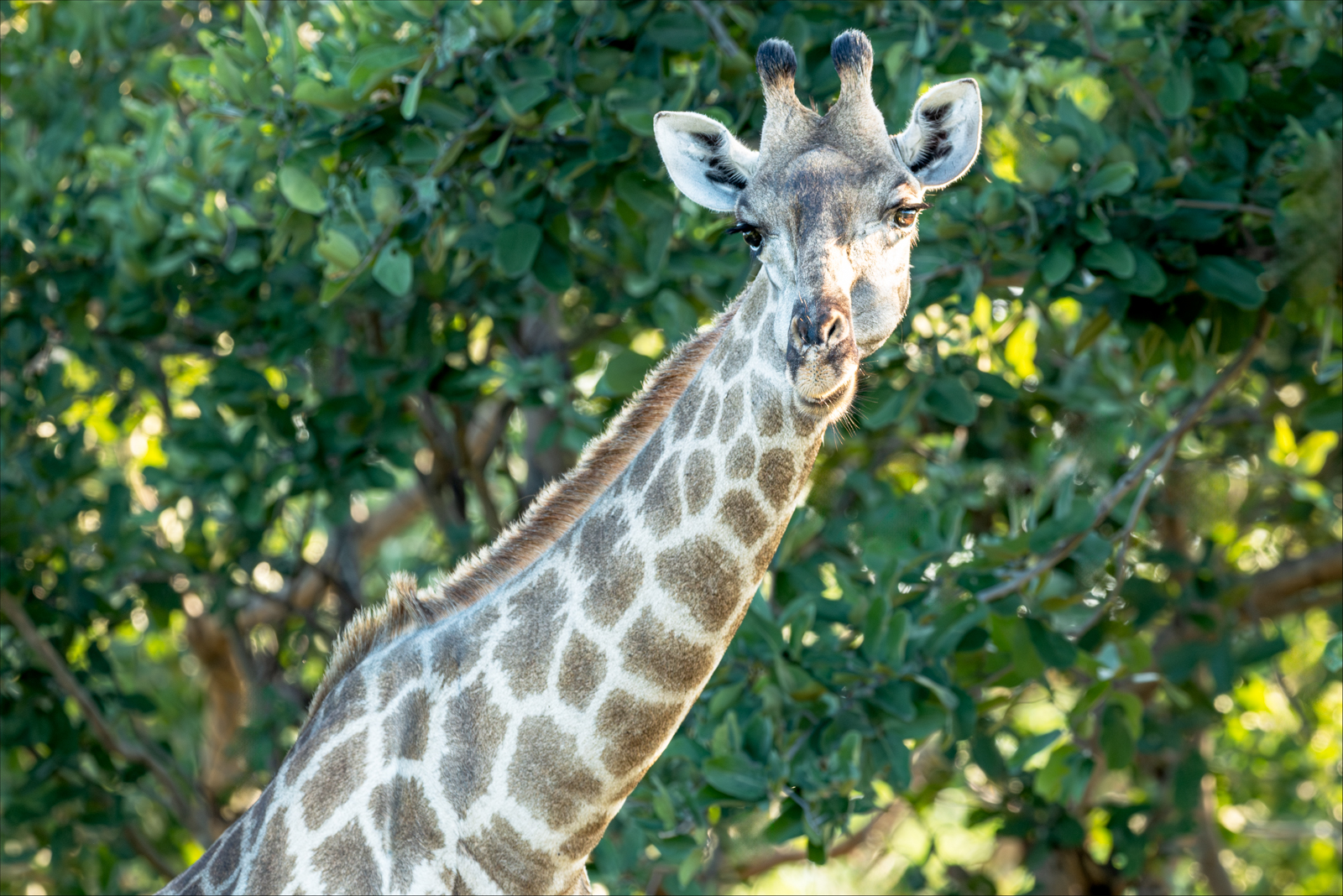
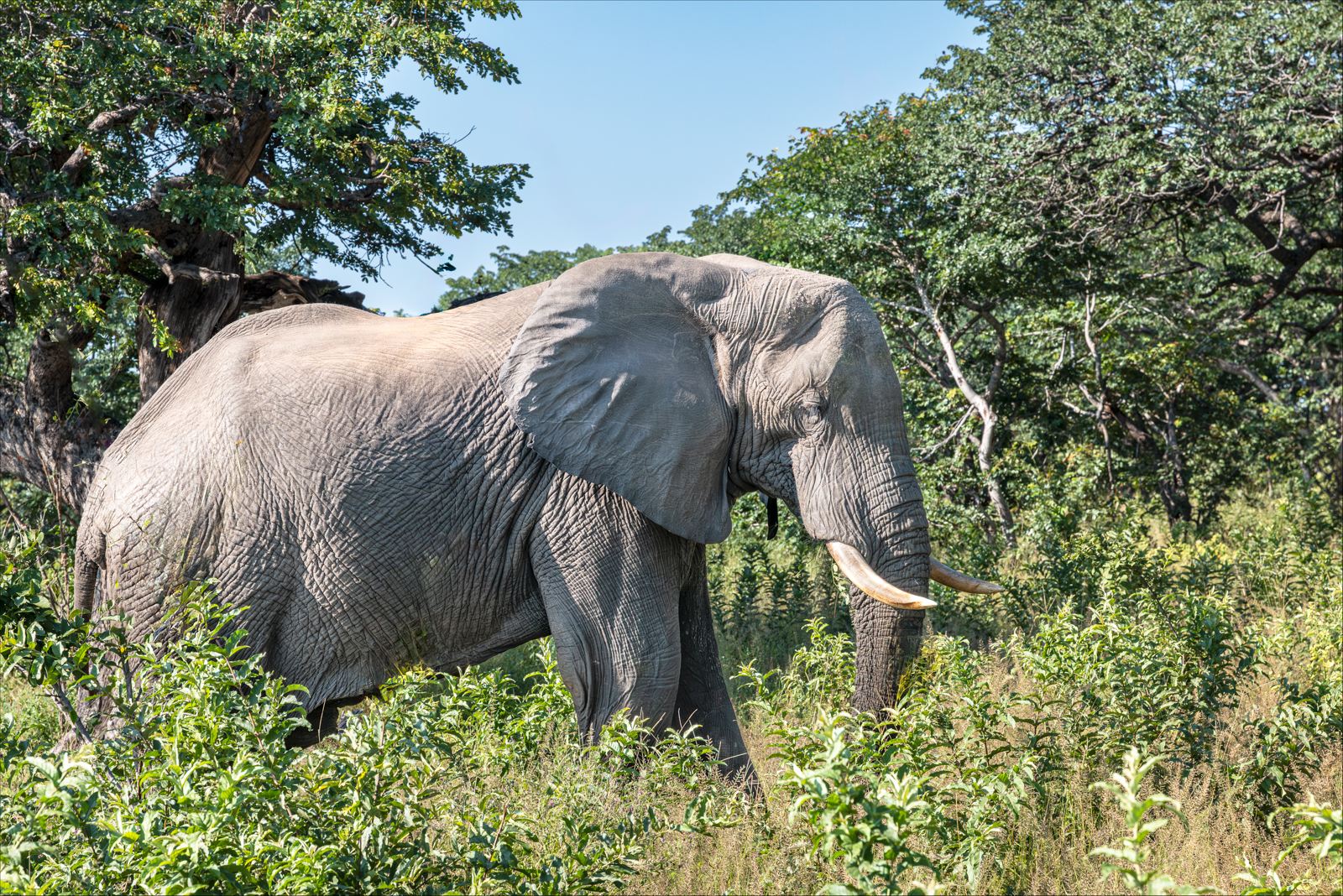
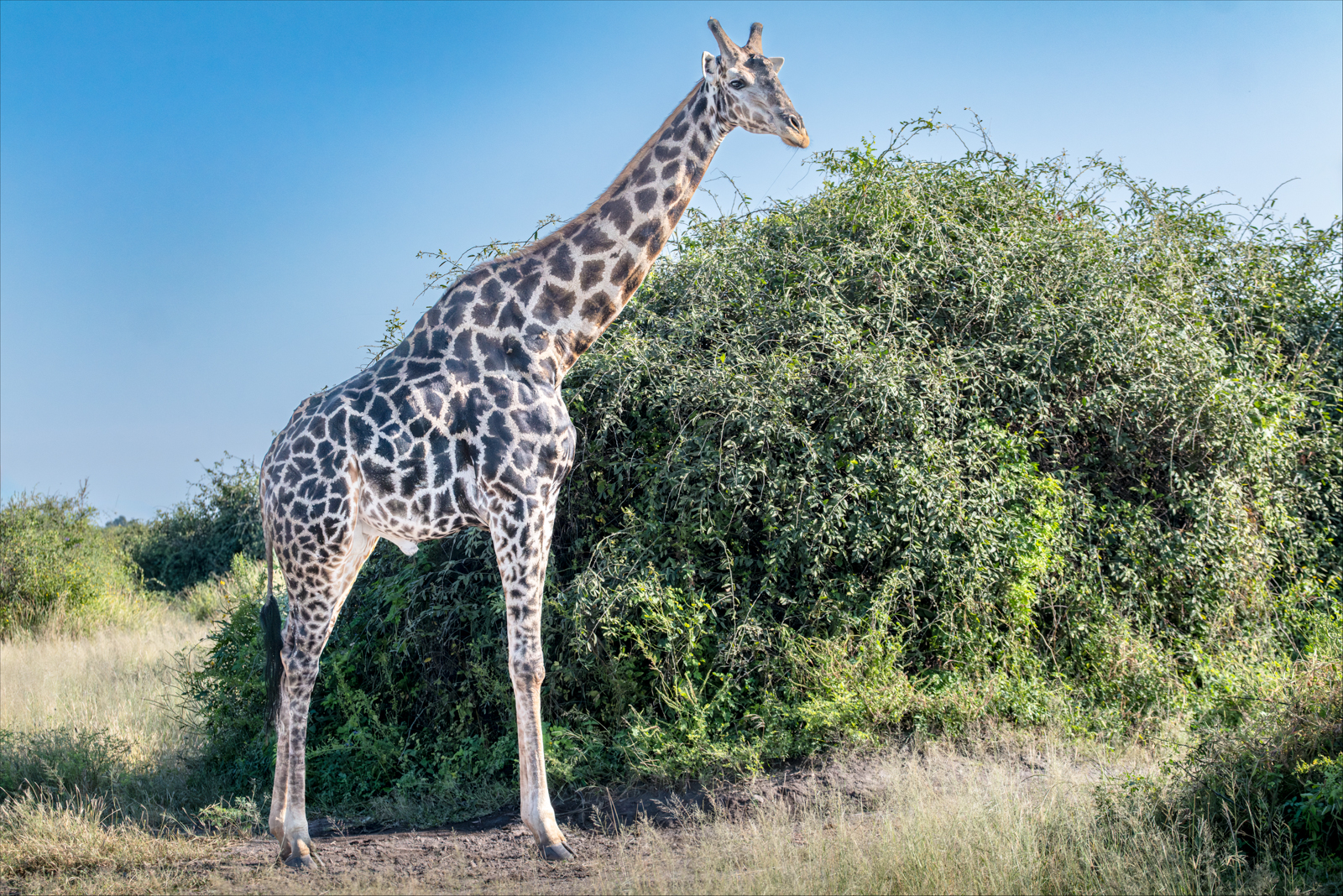
Above: we enjoyed an early morning safari drive in Chobe National Park before going on to Nata.
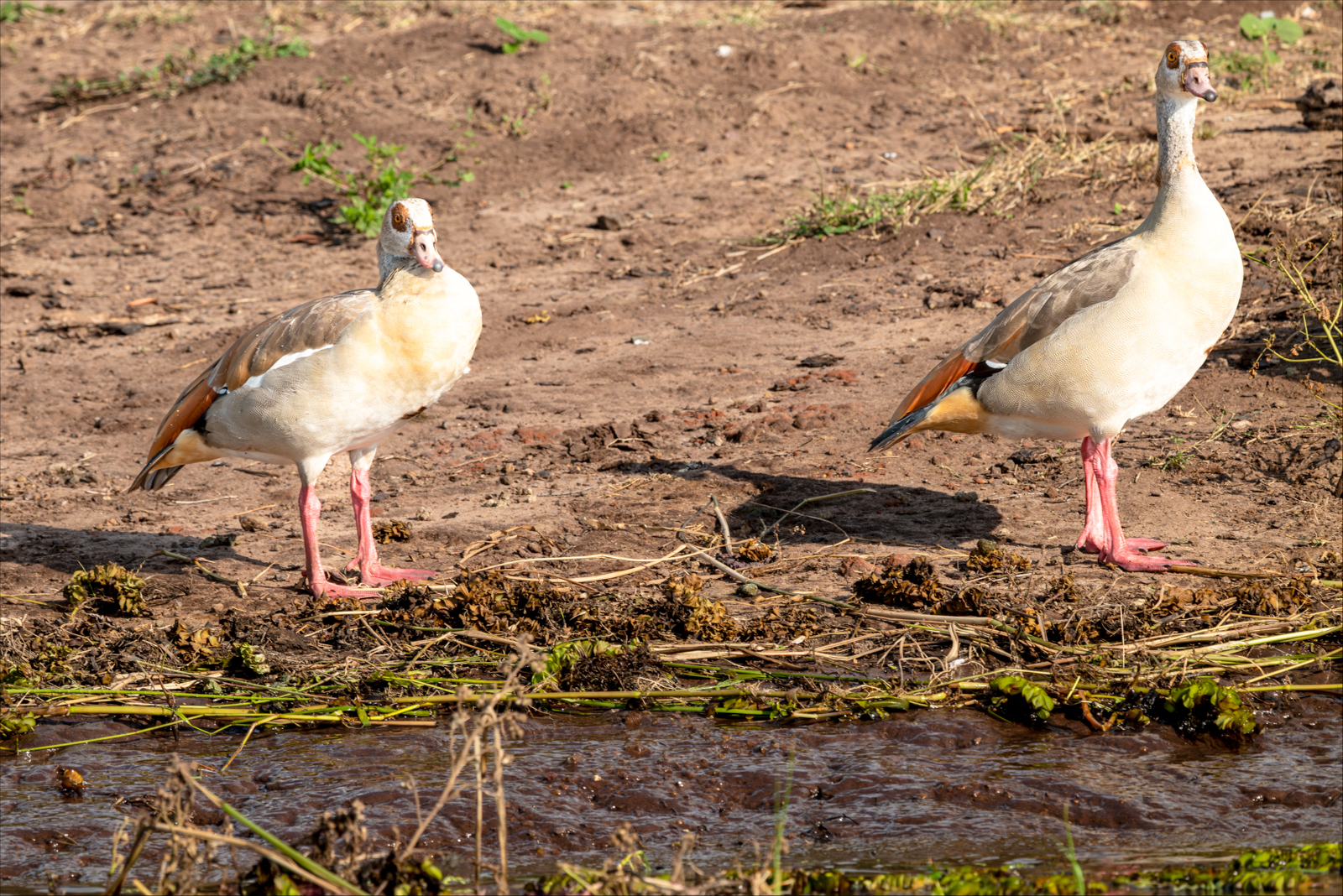
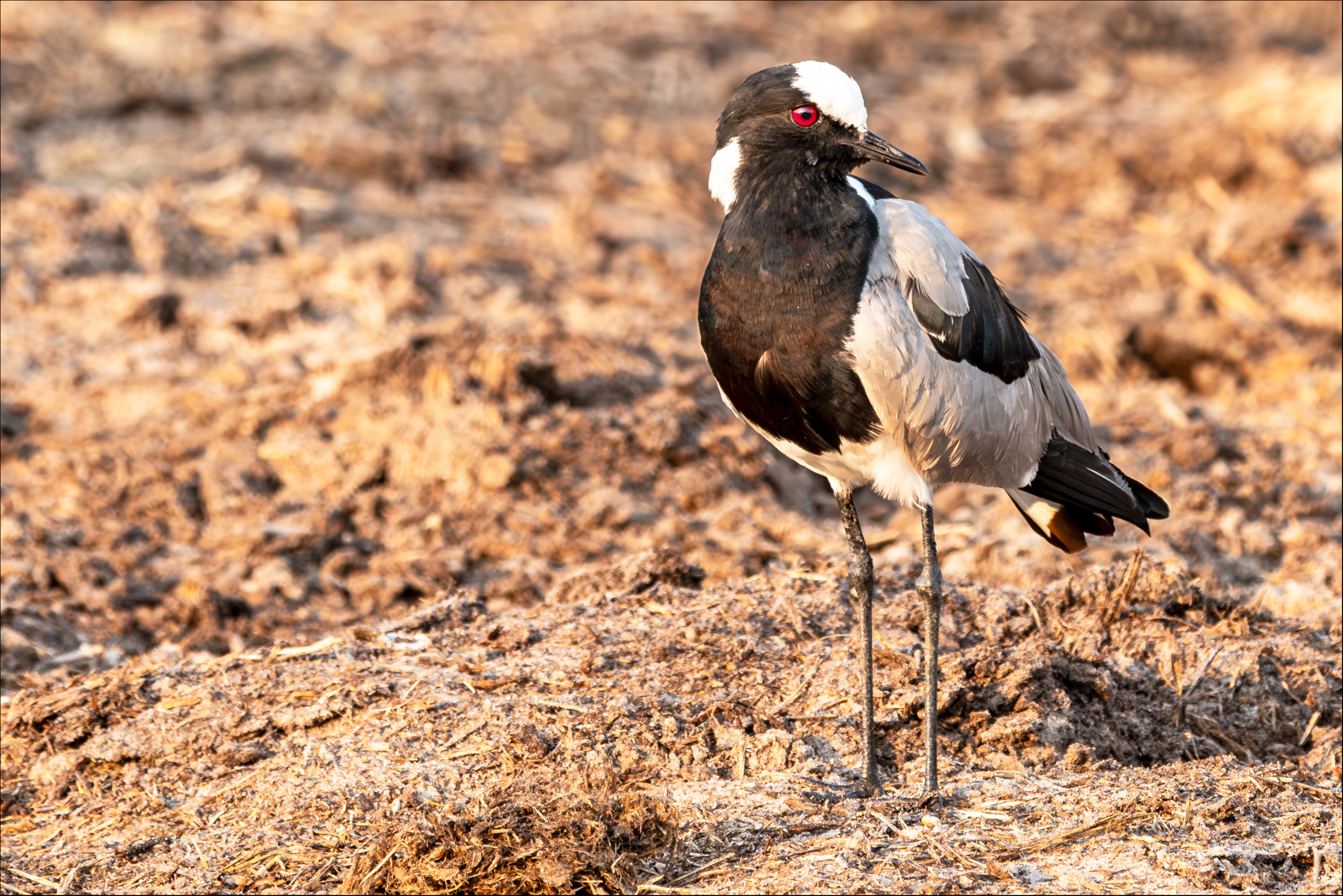
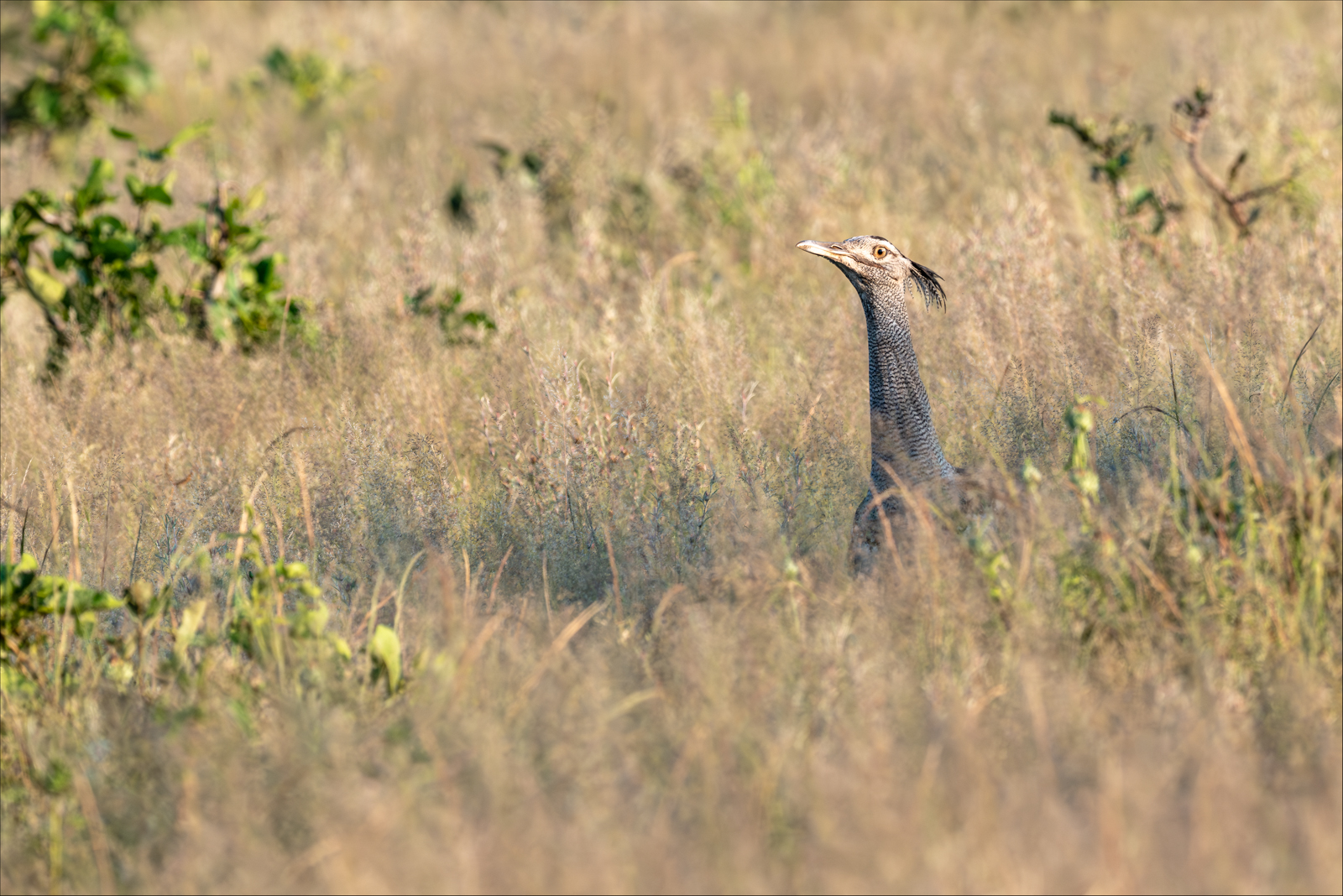
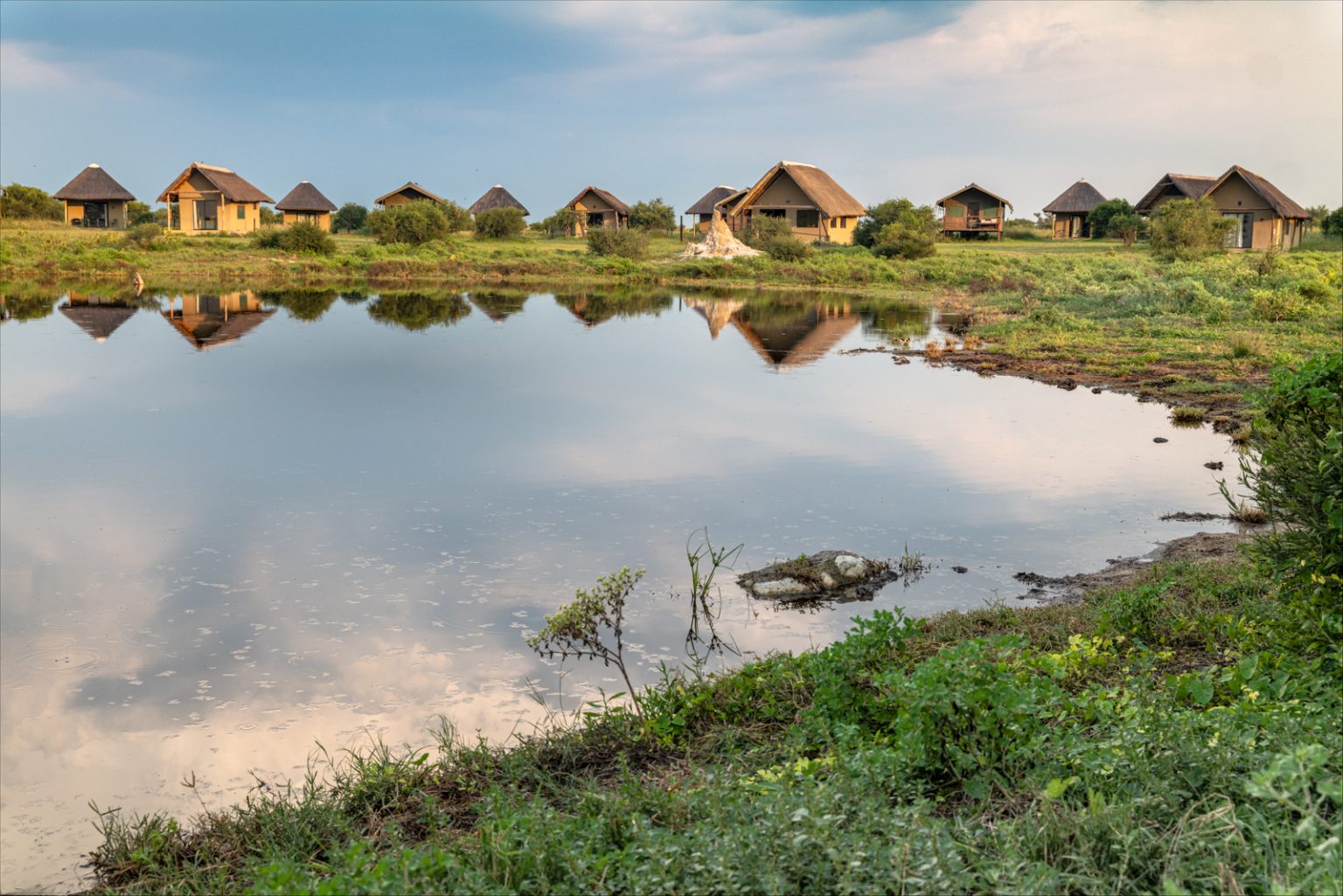
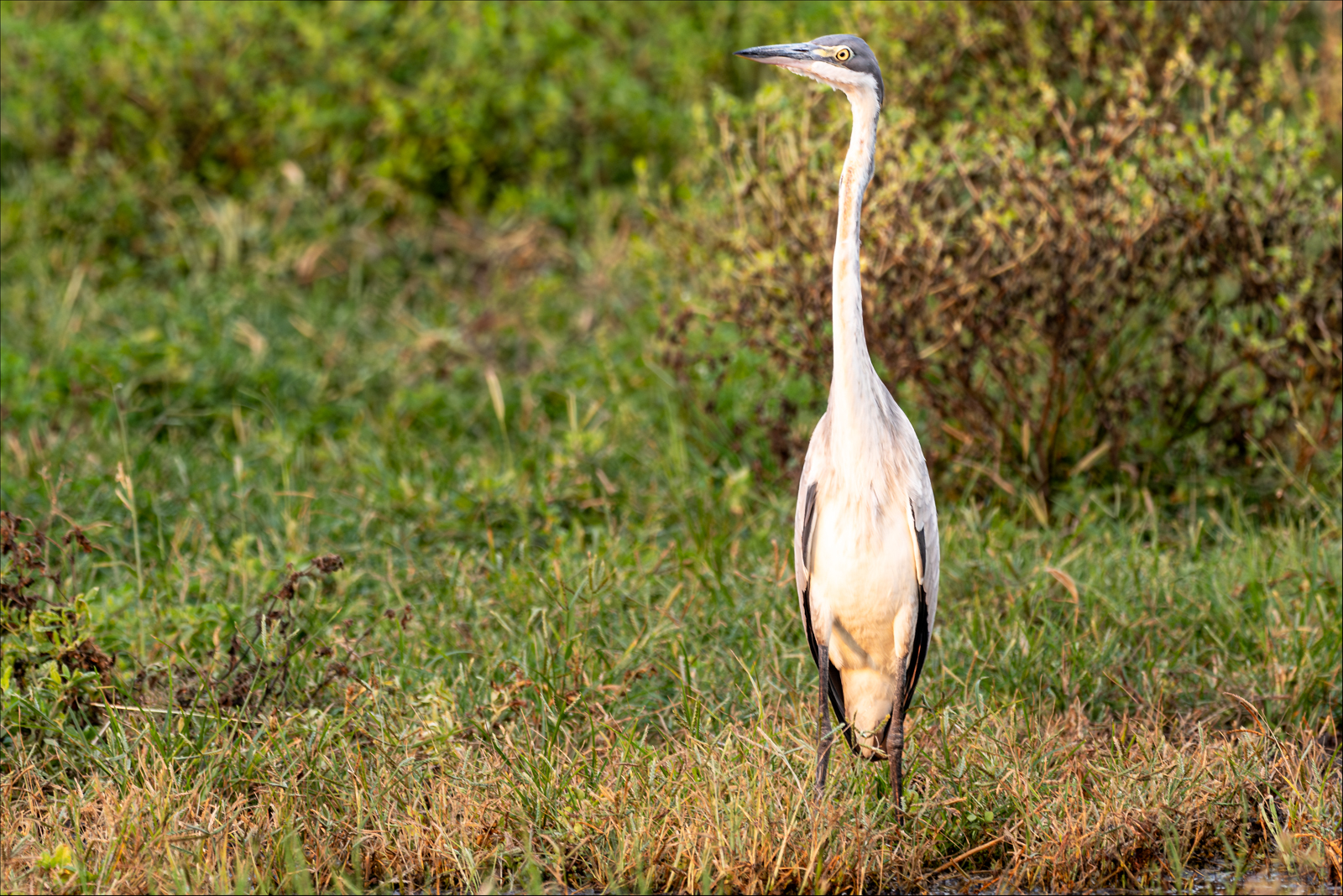
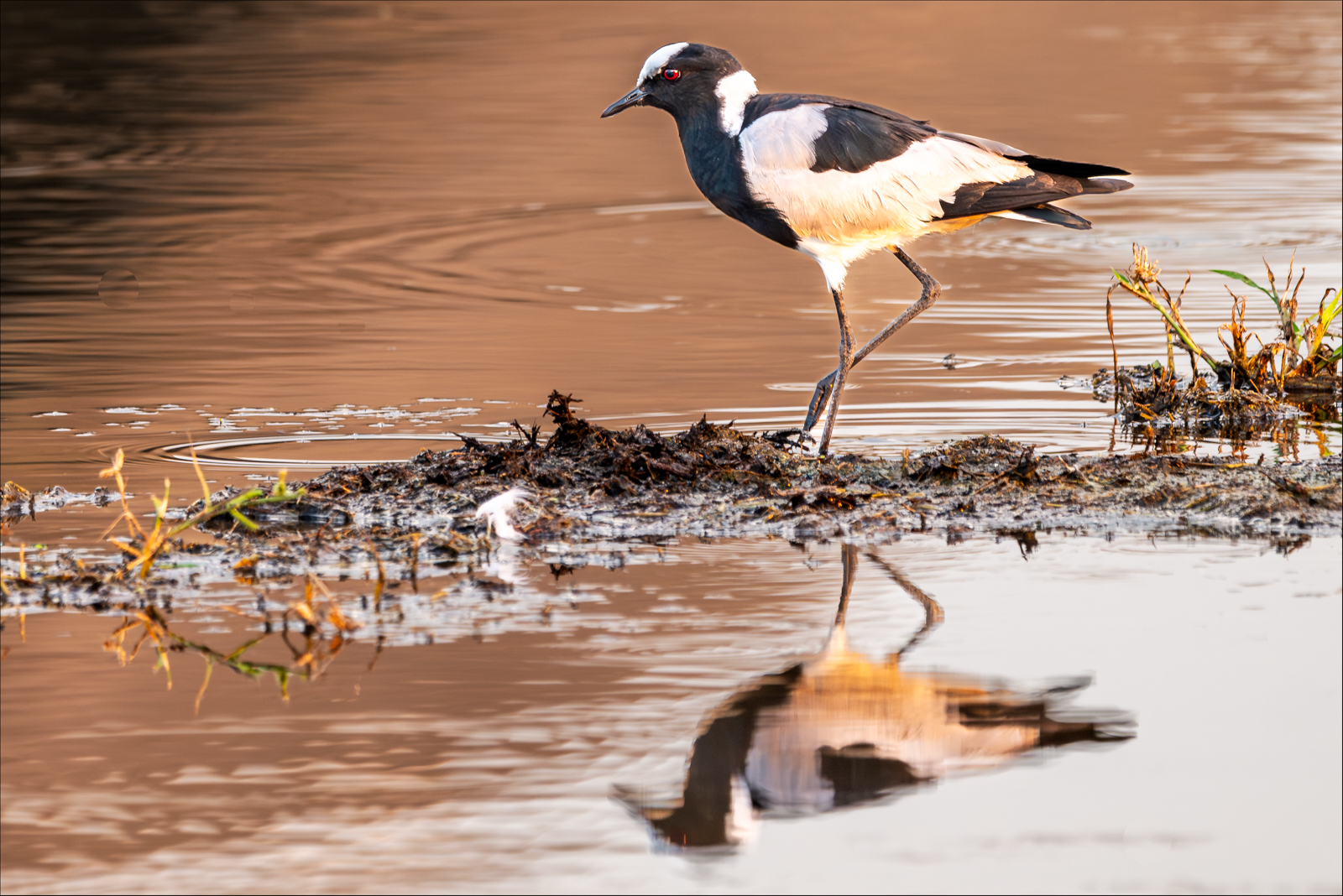
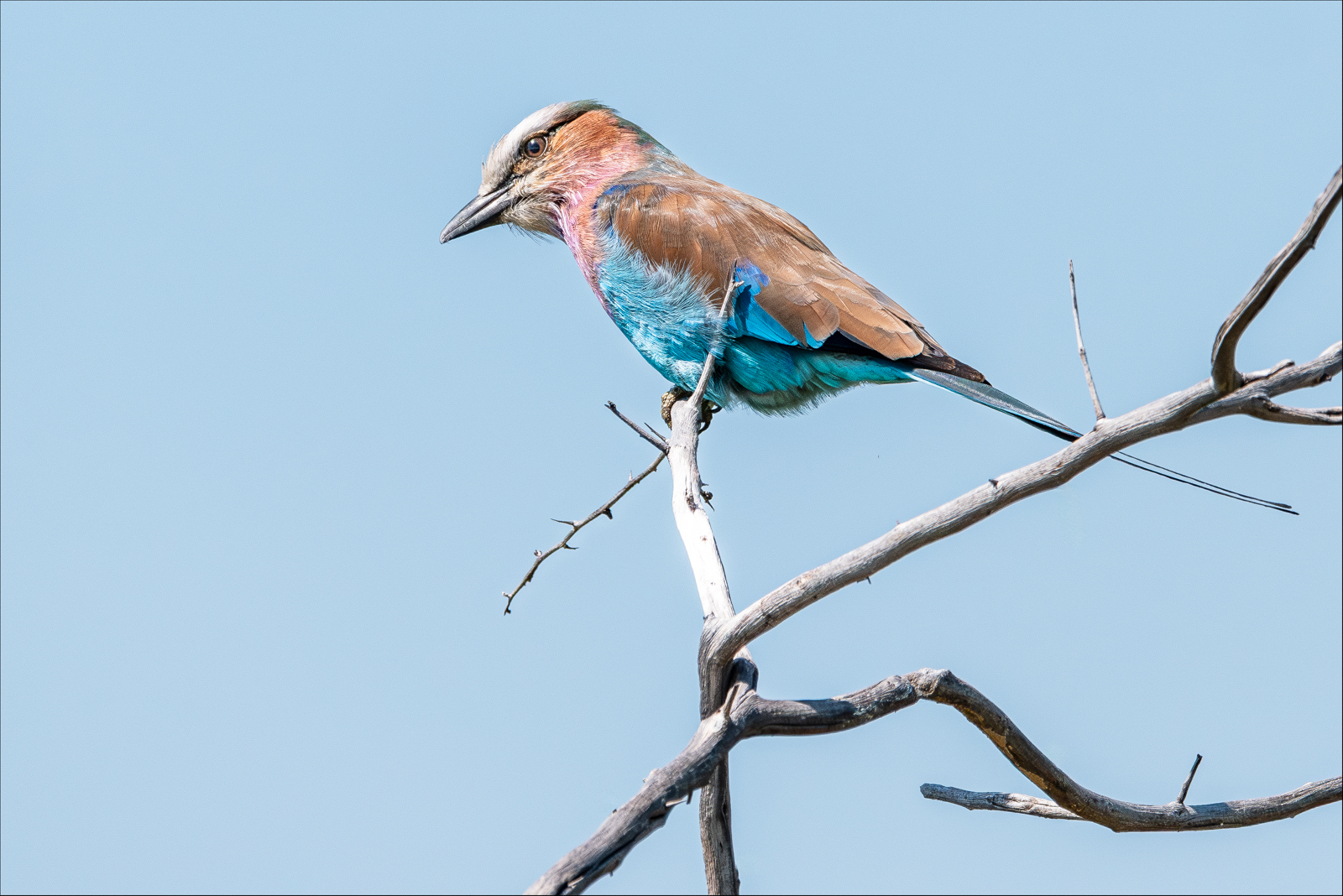
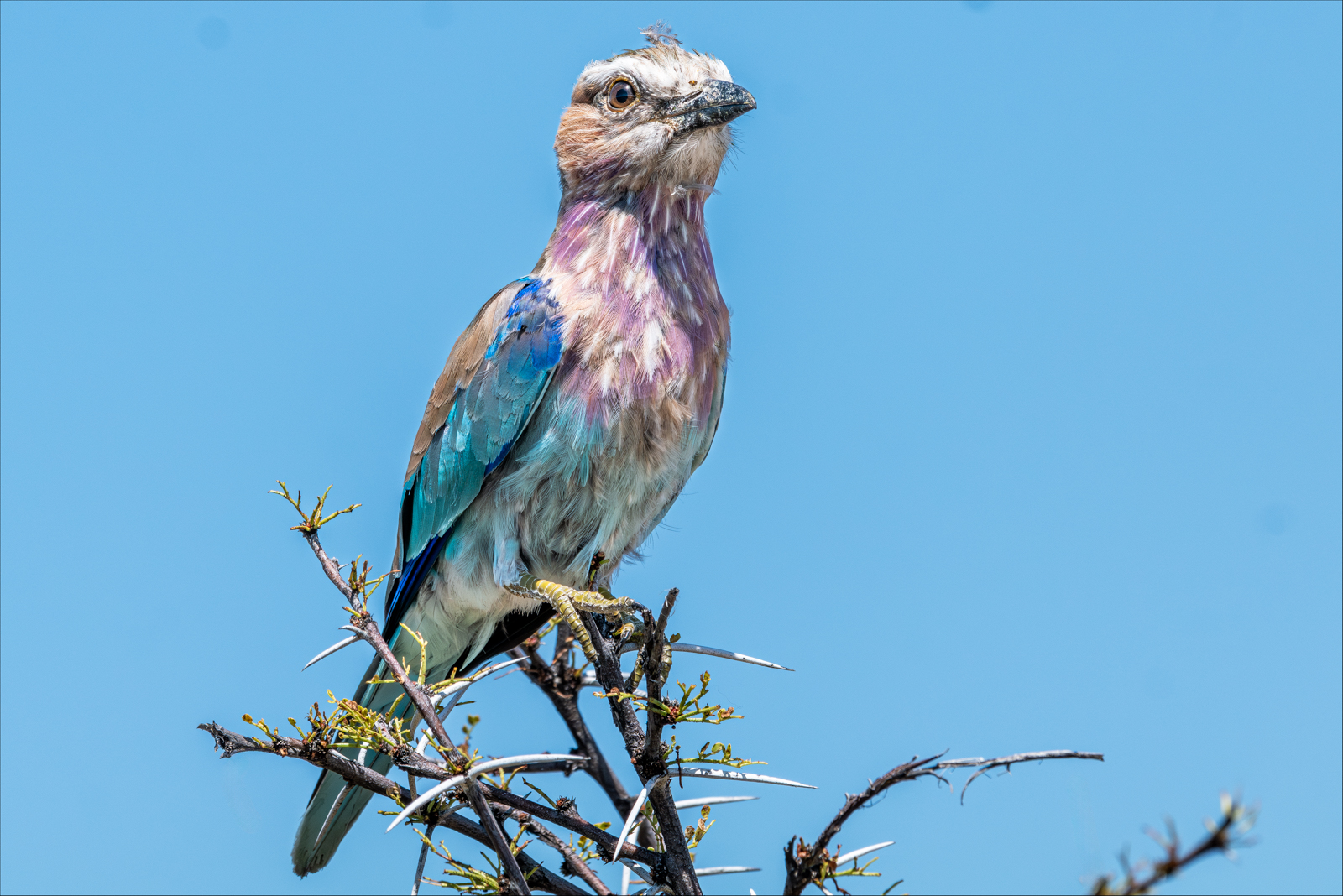
Above: we stayed around a water-hole in Nata but the only wildlife I saw were these two birds.
NATA TO MAUN
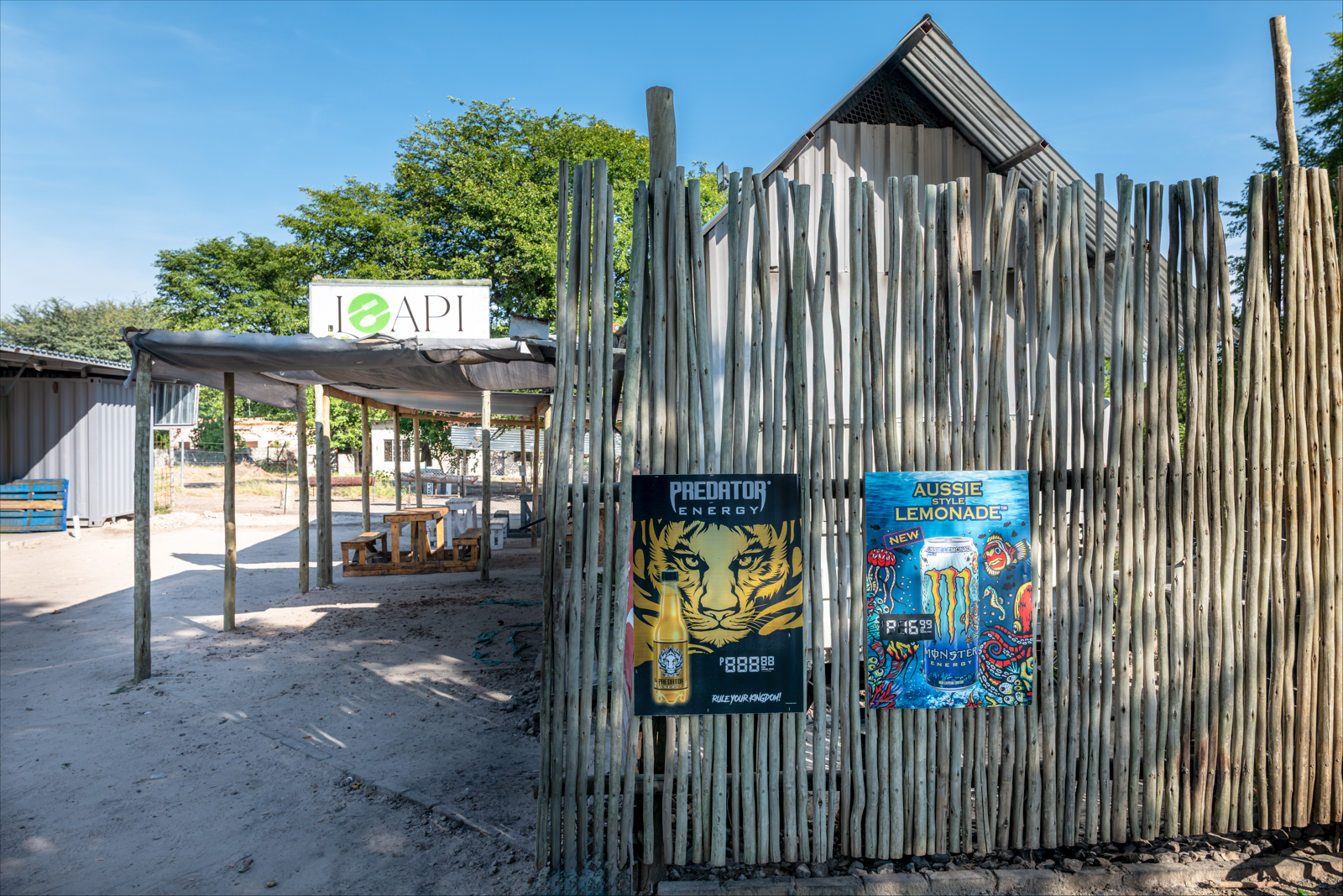
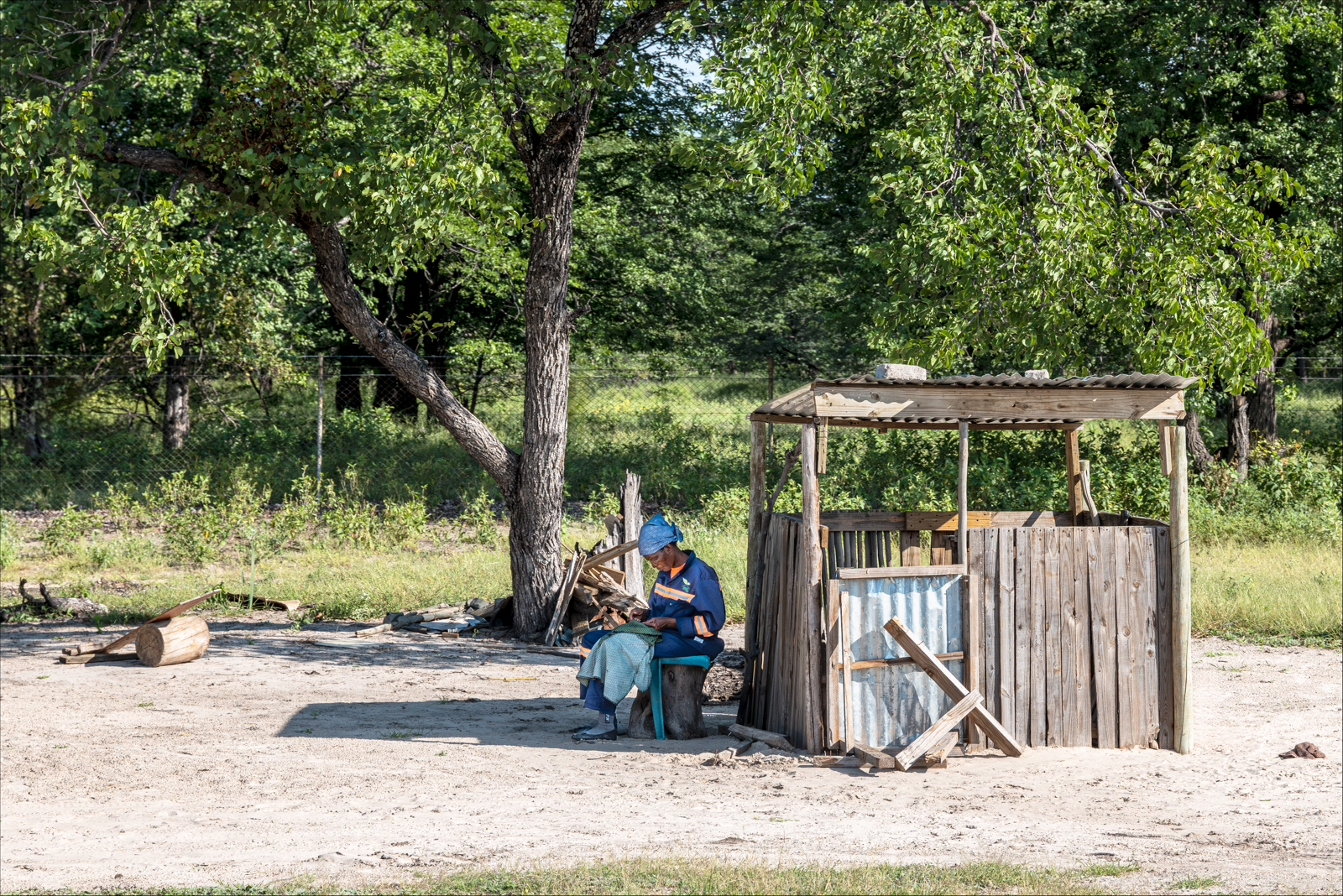
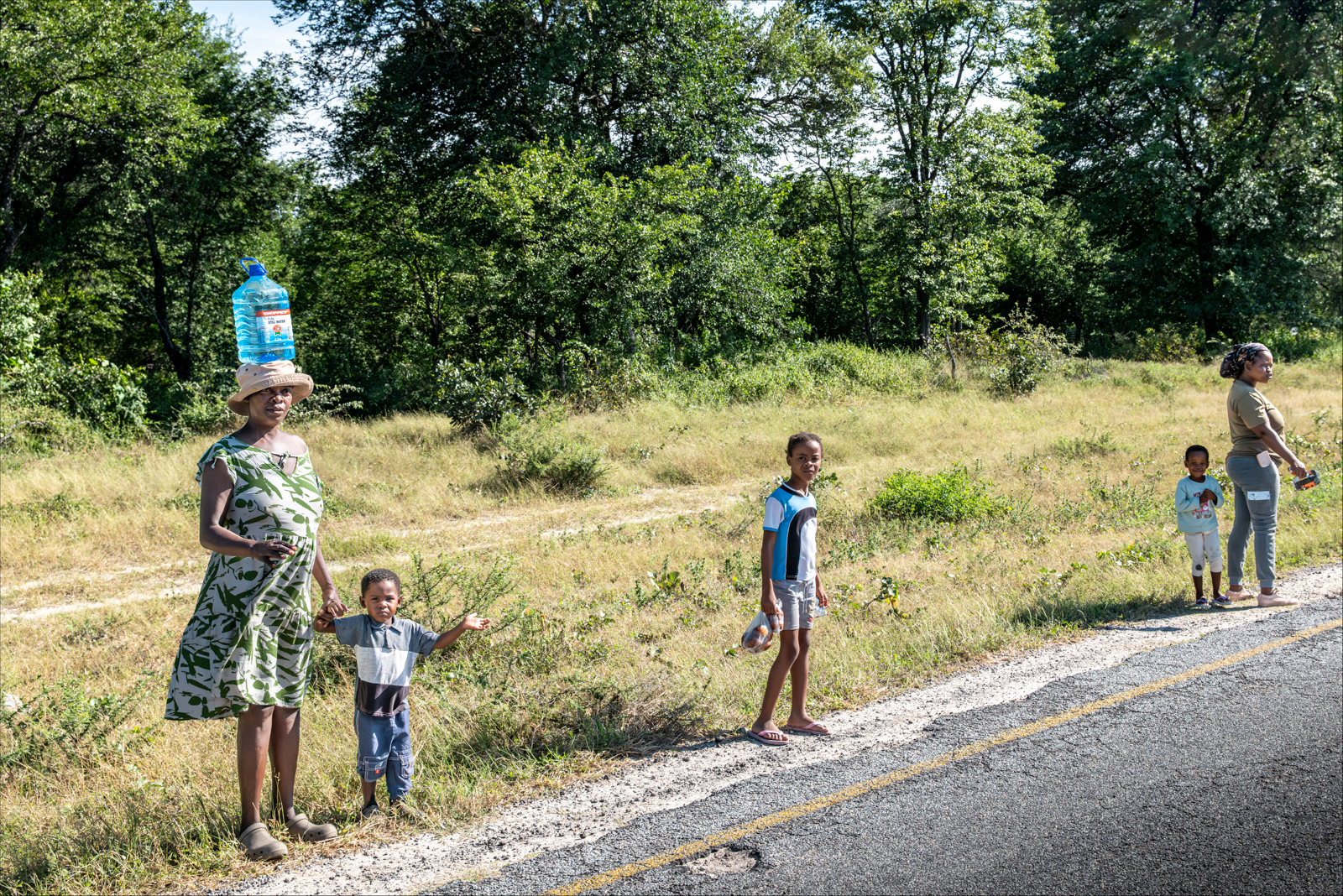
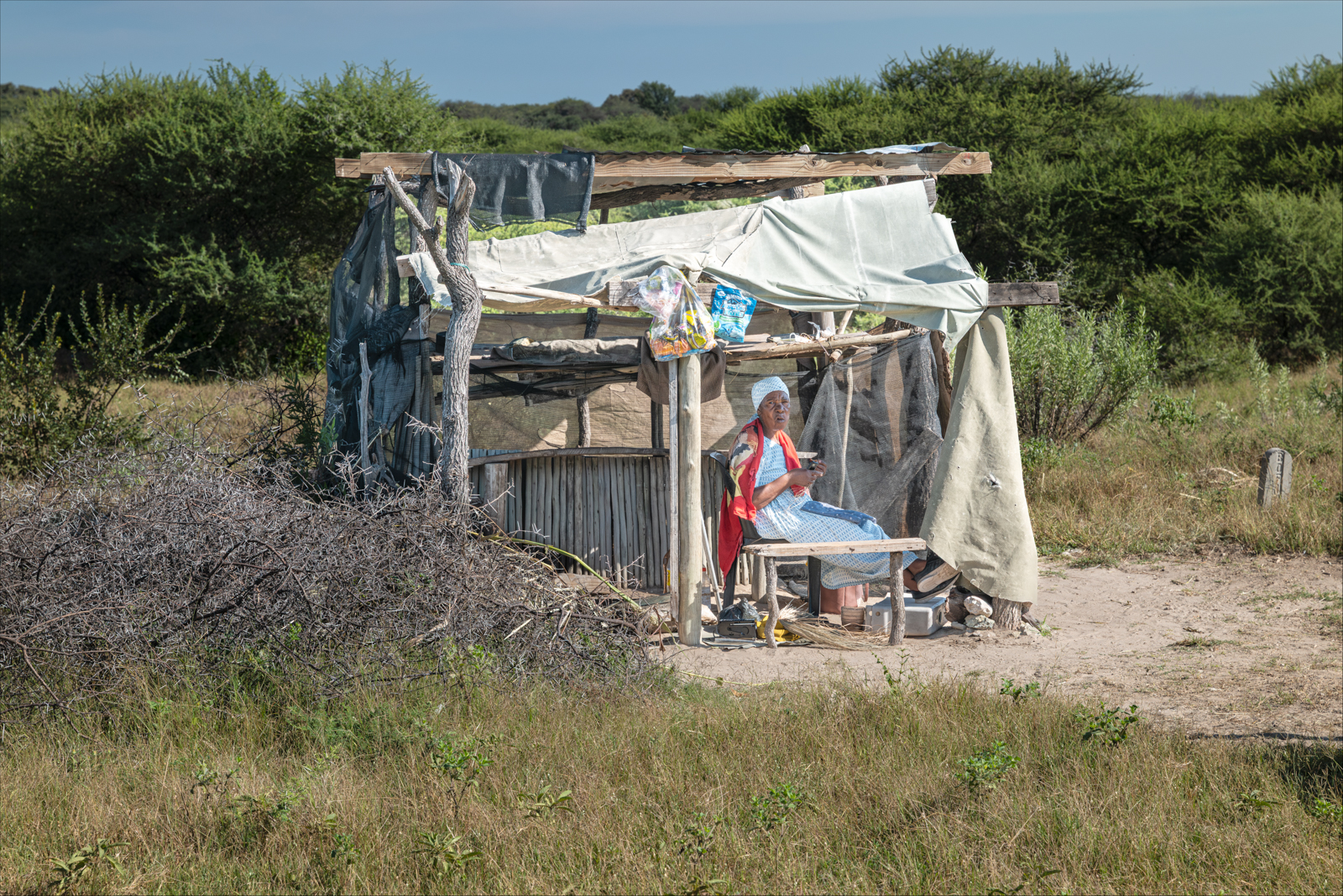
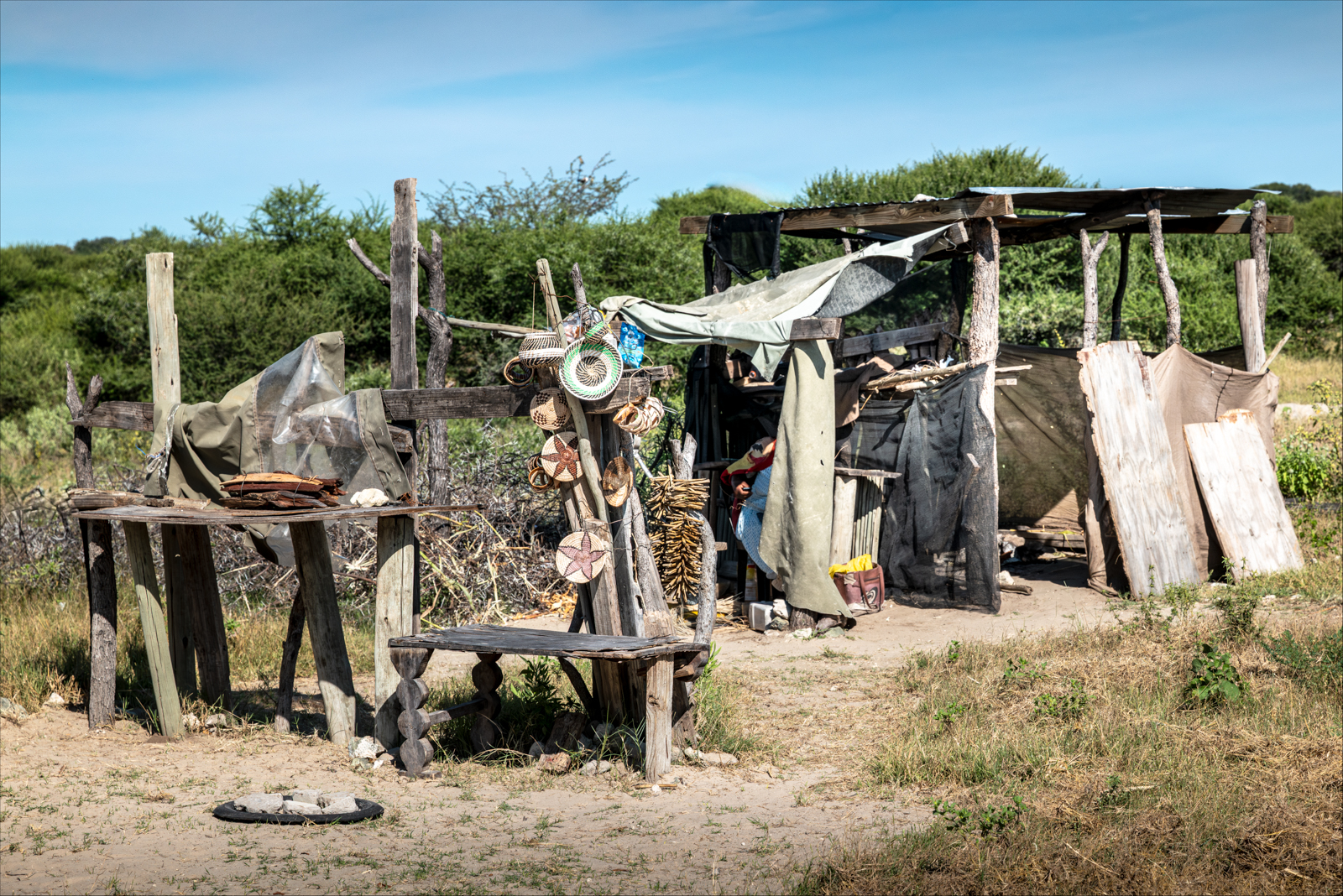
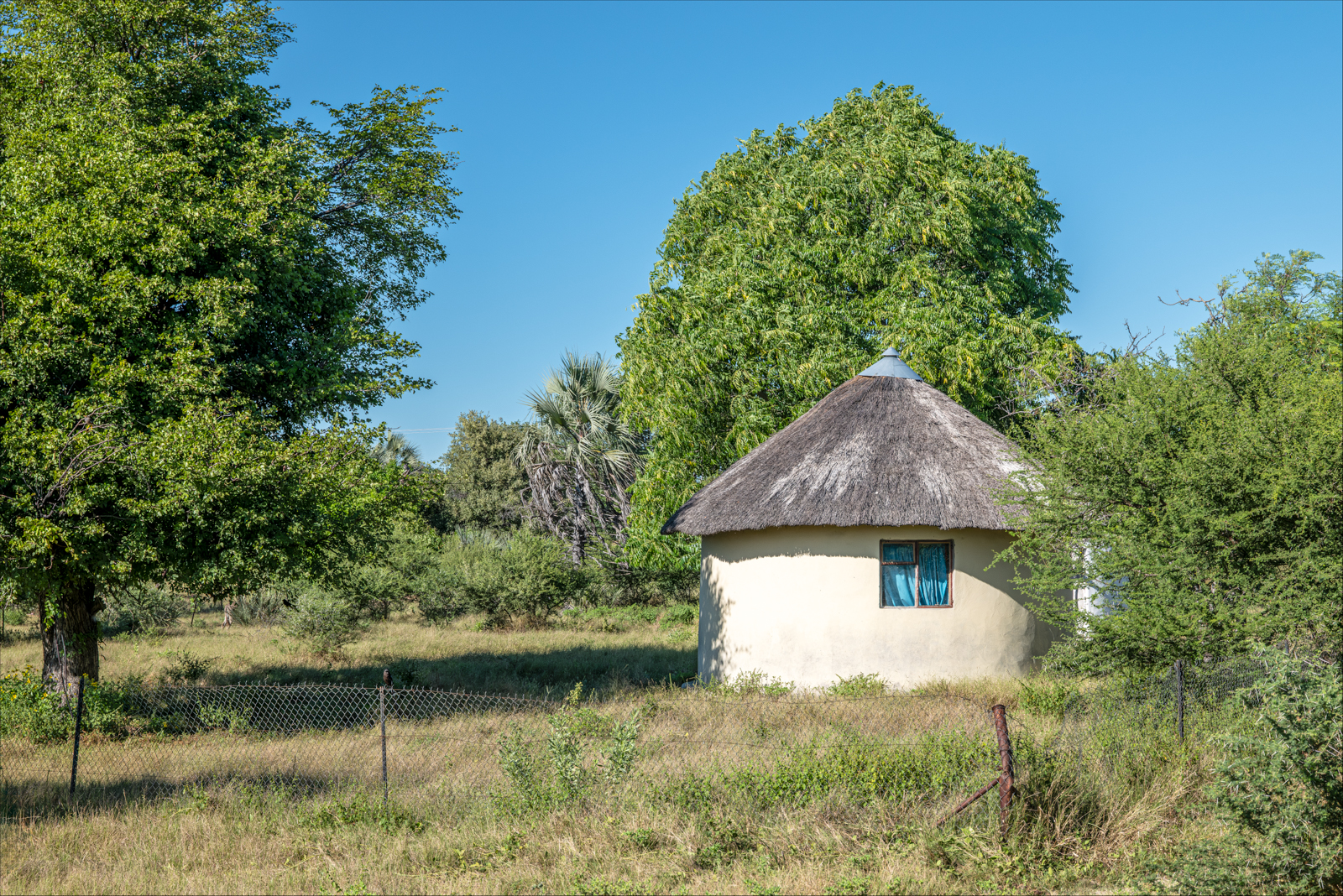
Above: the journey from Nata to Maun wasn’t particularly inspiring and so I had to be content with taking local images along the roadside. Maun is the biggest town in the Okavango Delta and was handy for picking up supplies (beer and potato chips) before going into the delta the following day.
OKAVANGO DELTA
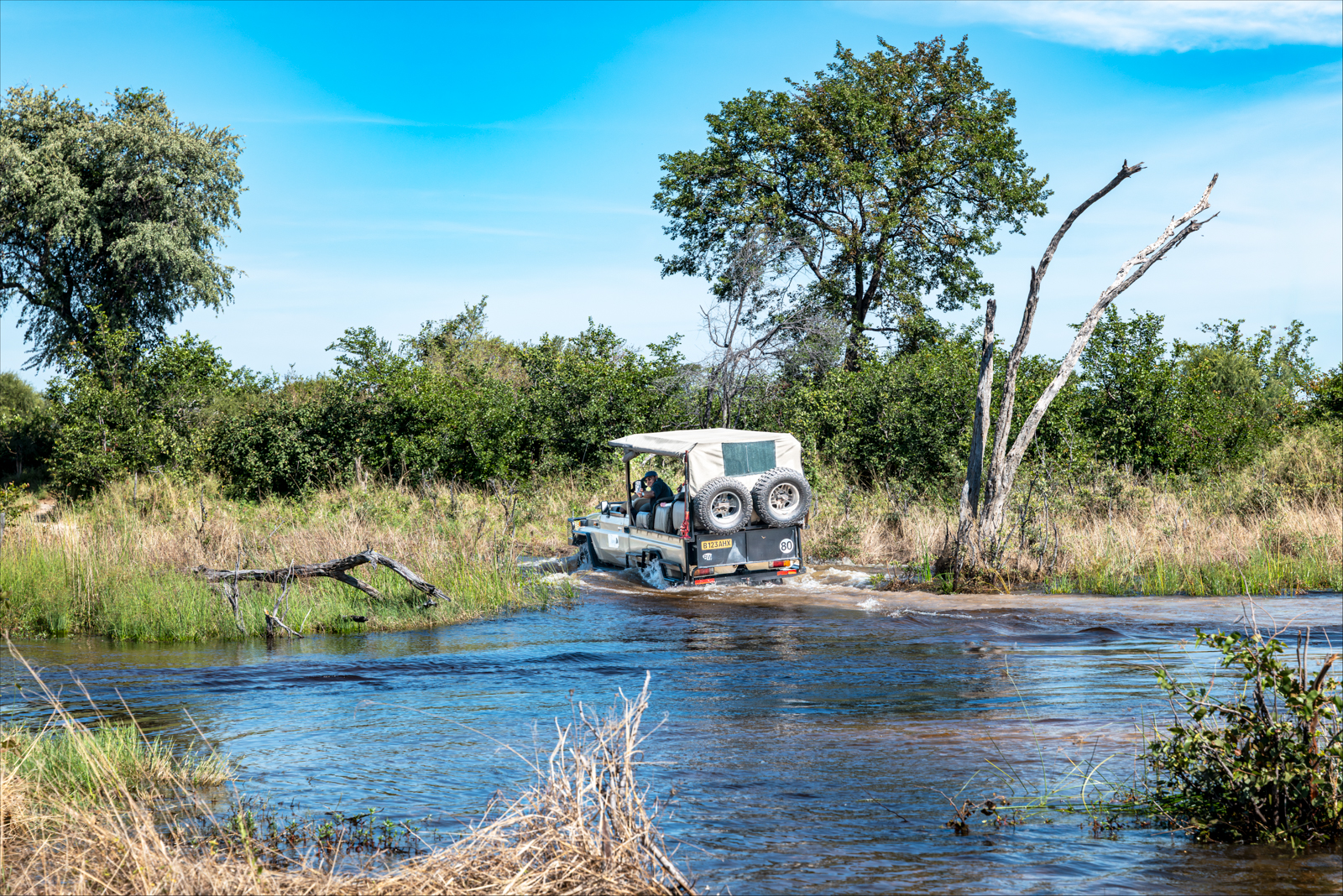
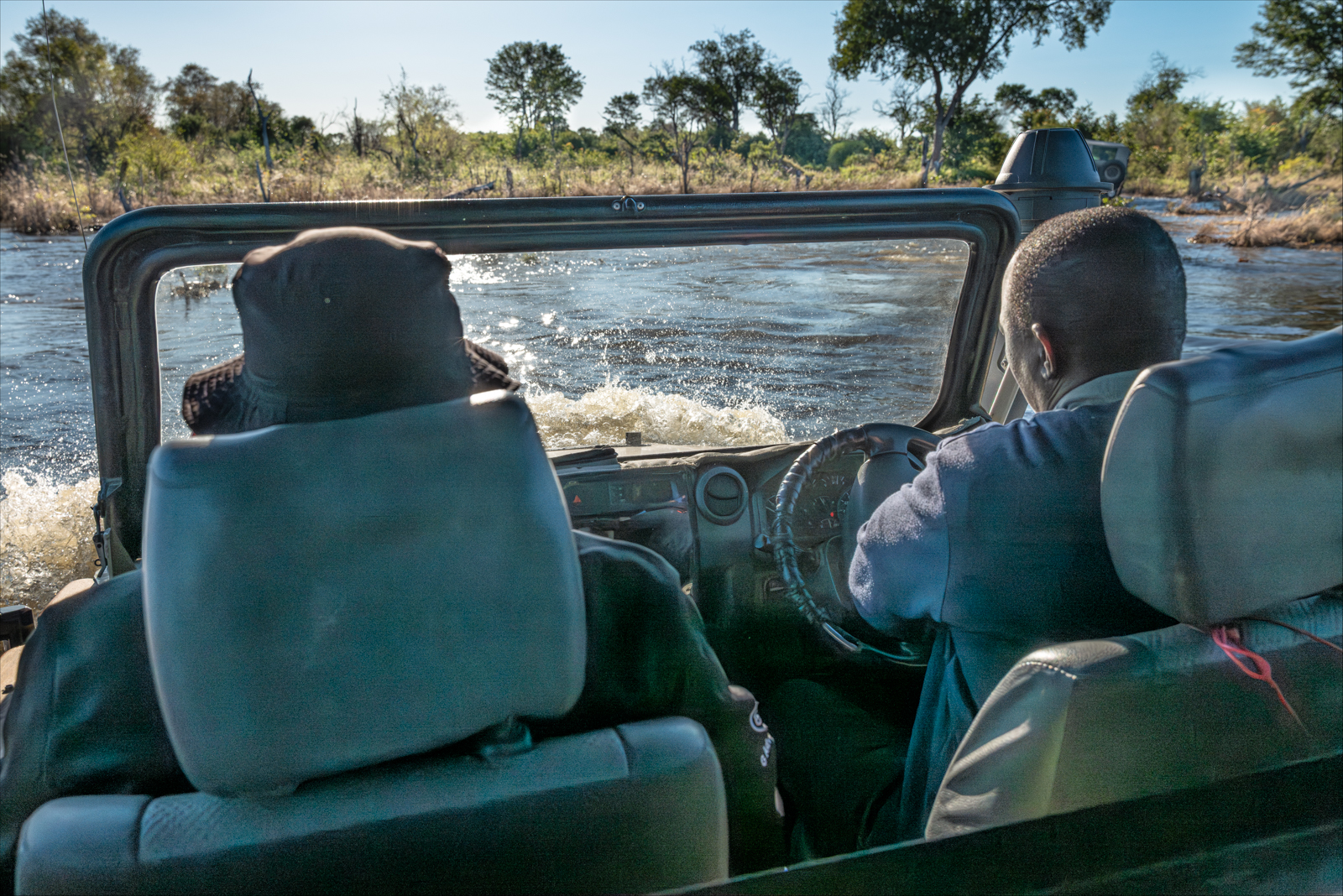
Above: access to the delta can be difficult and we had to negotiate deep water channels both on the way in and out.
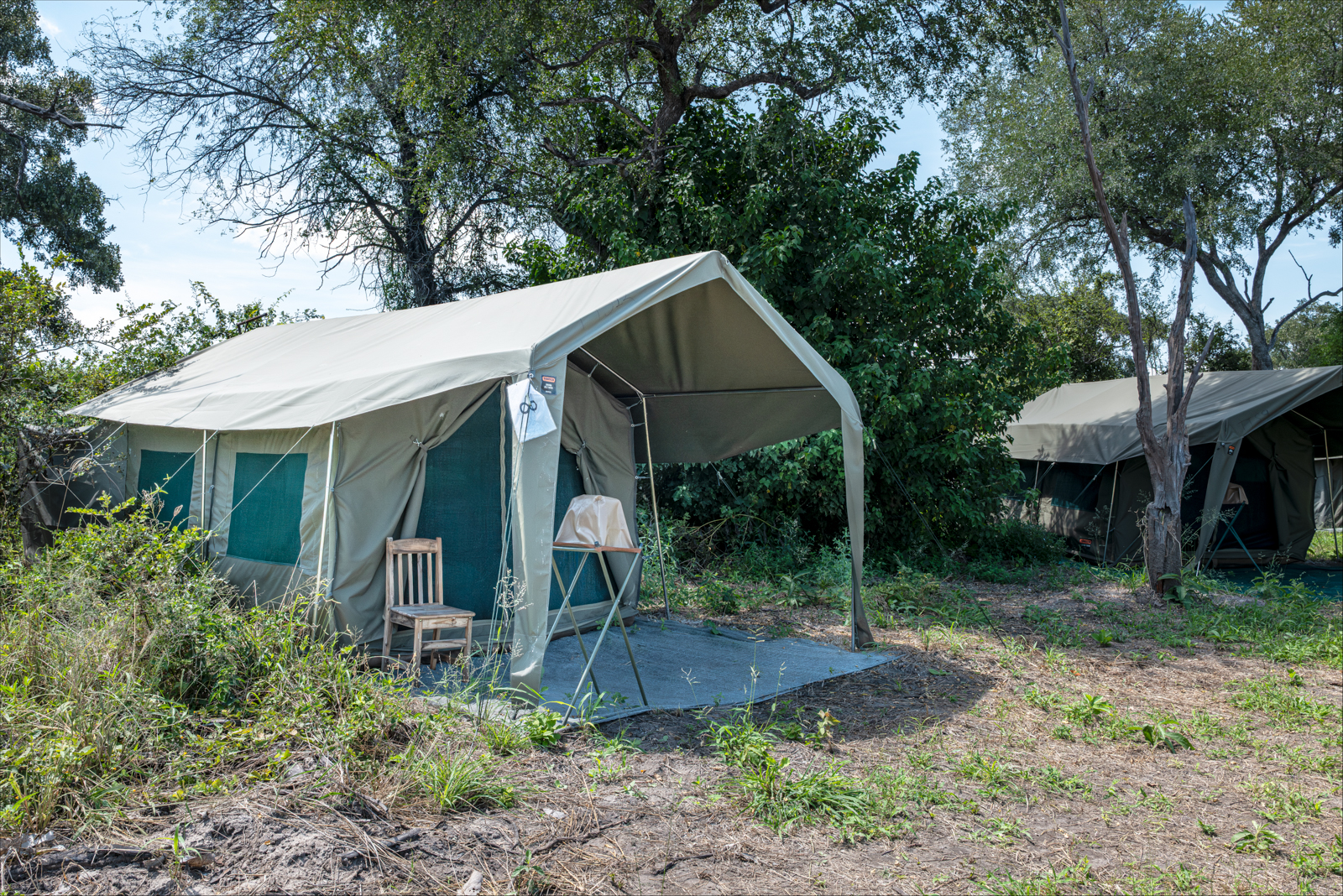
Above: as the water channels are continually changing it would be difficult to establish permanent accommodation in the delta and so we stayed in tents. This was by no means roughing it with real beds and even a loo at the back.
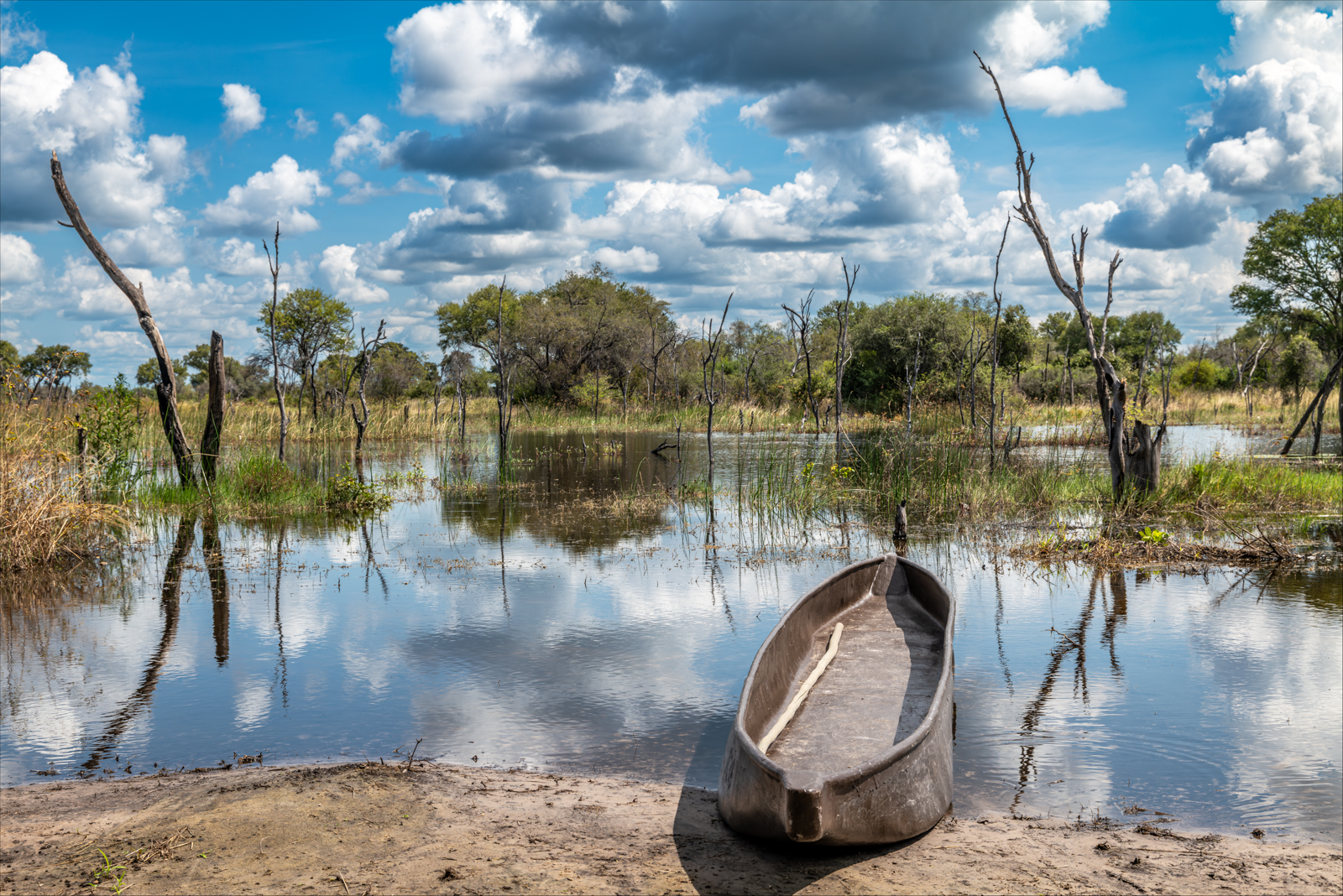
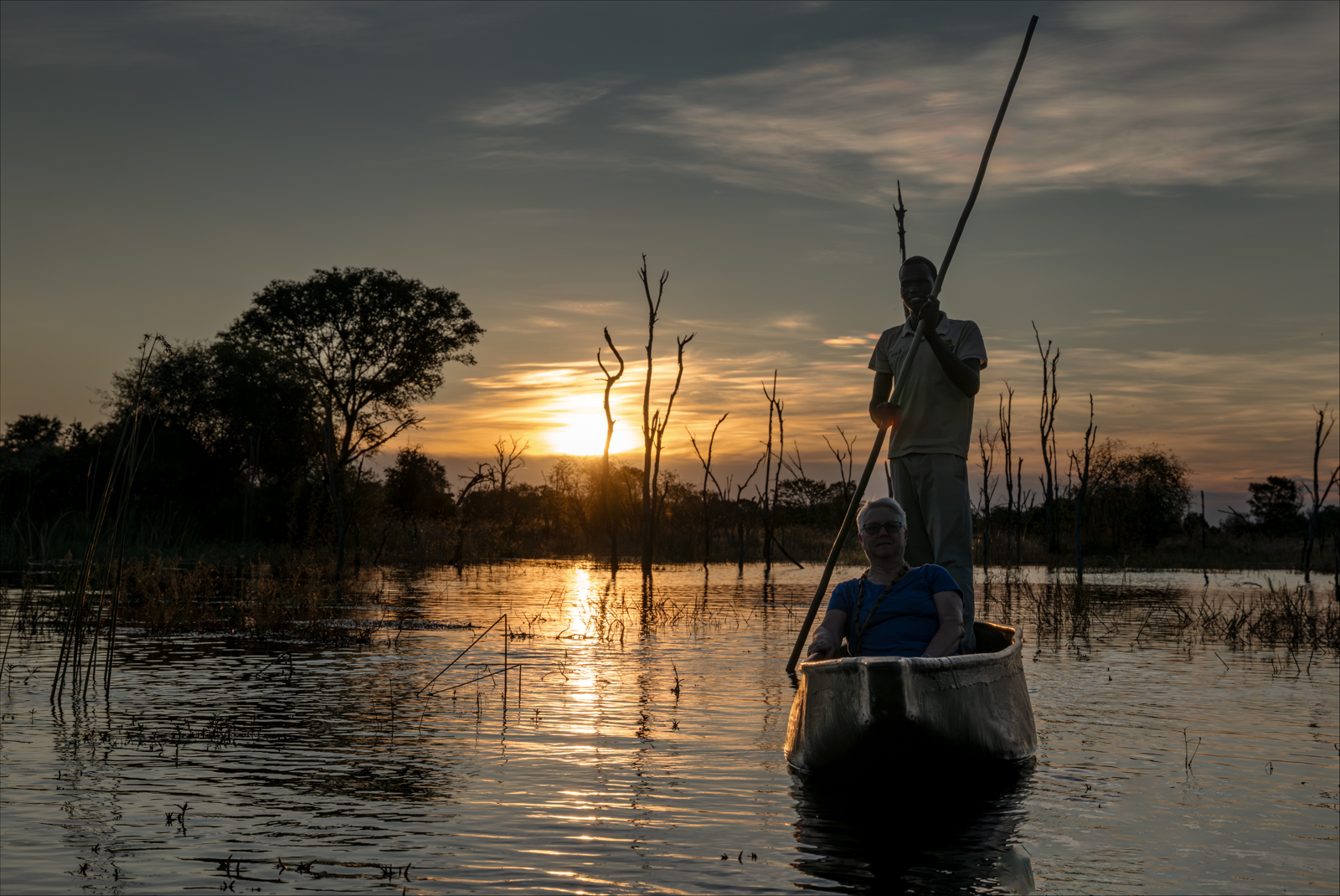
Above: the ‘Mokoro’ canoe which was originally made from hollowing out a tree trunk but is now manufactured in fibreglass.
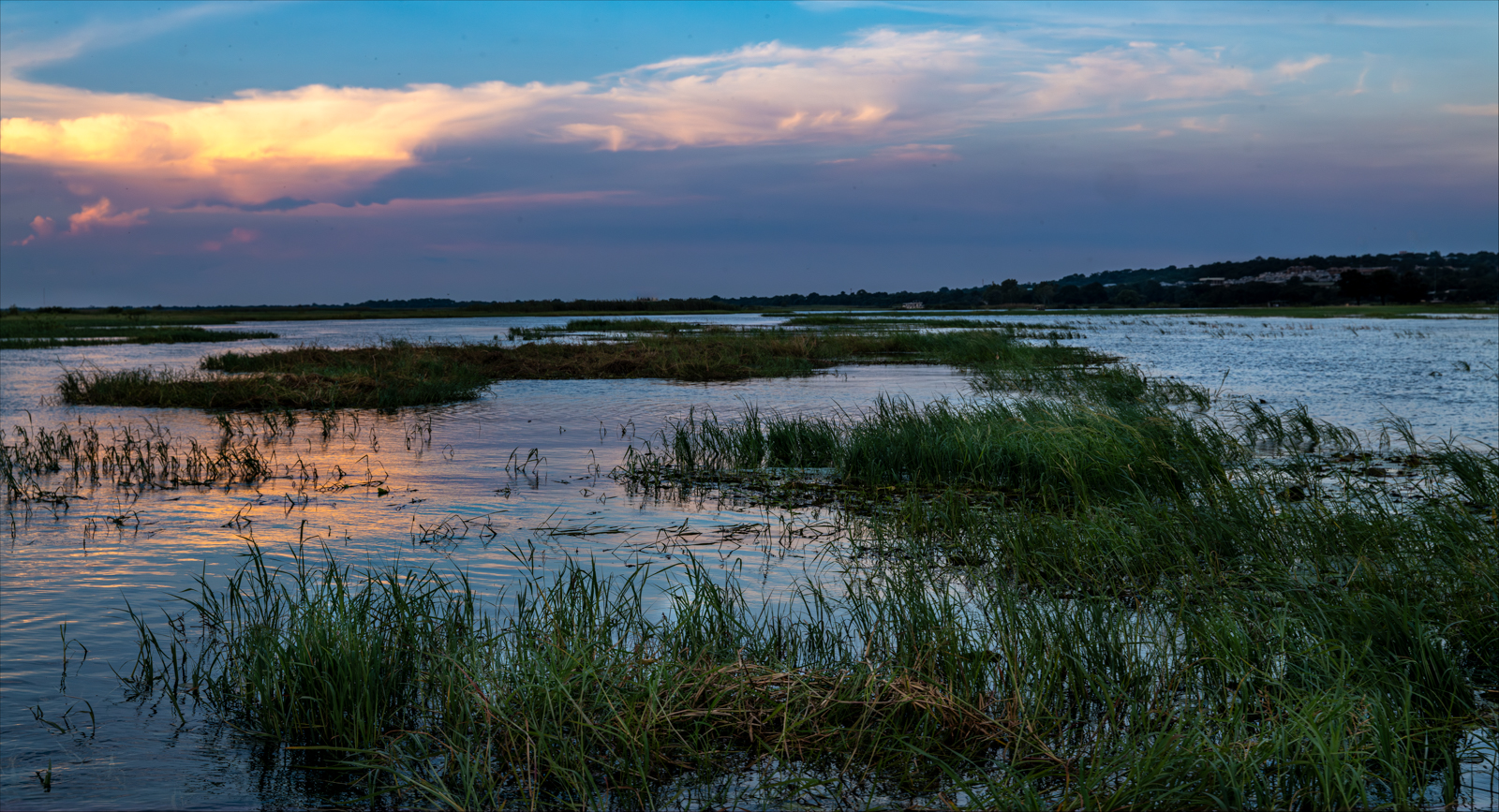
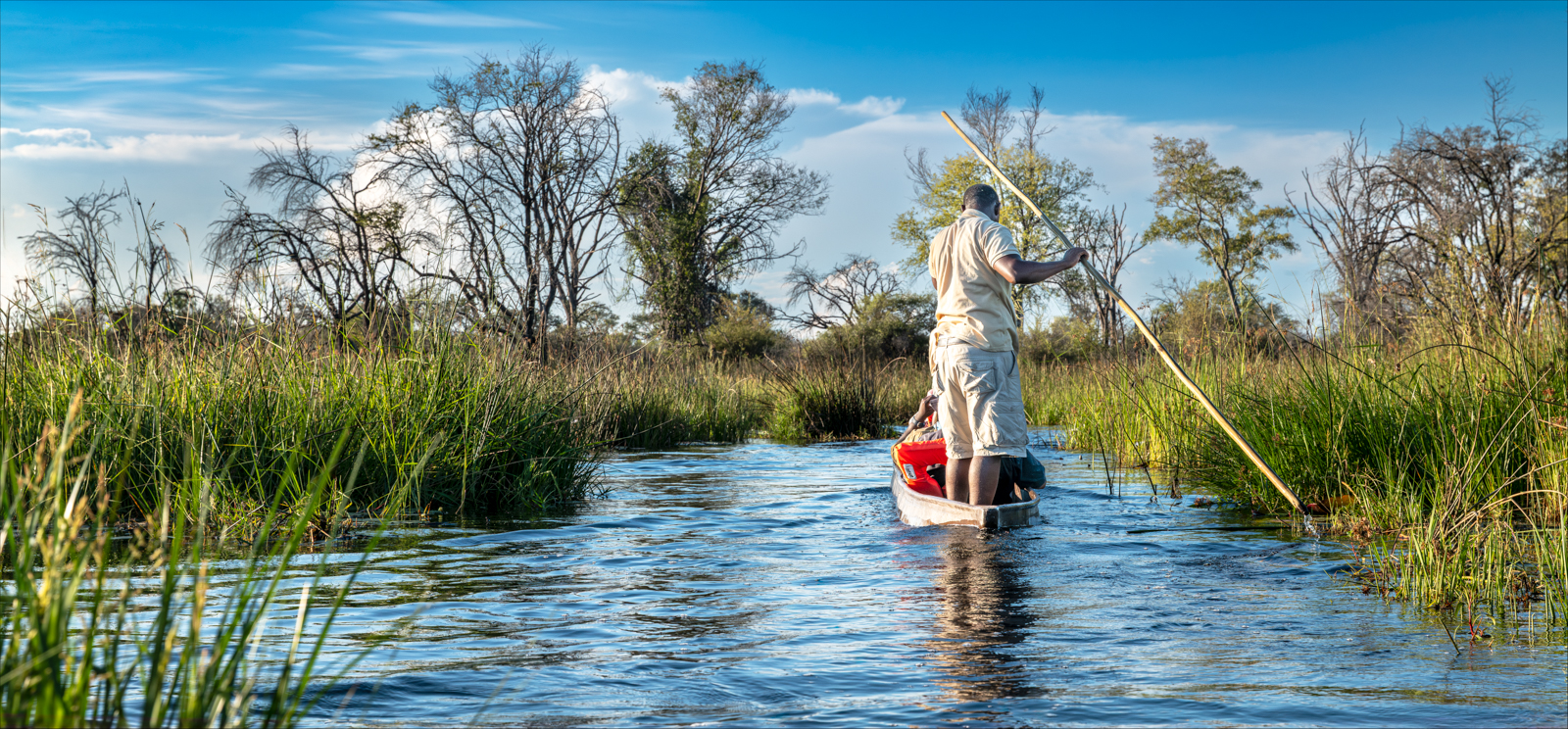
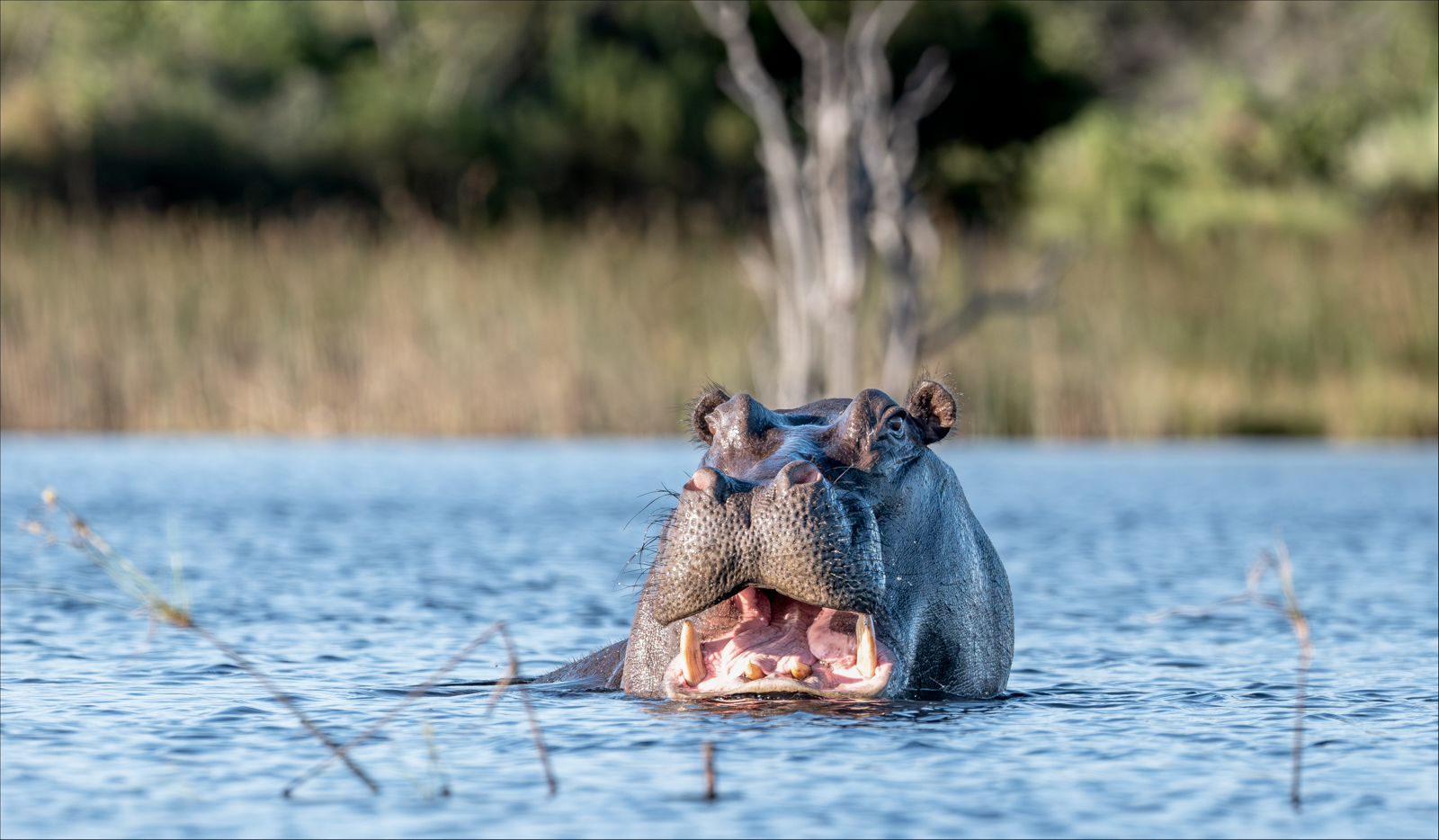
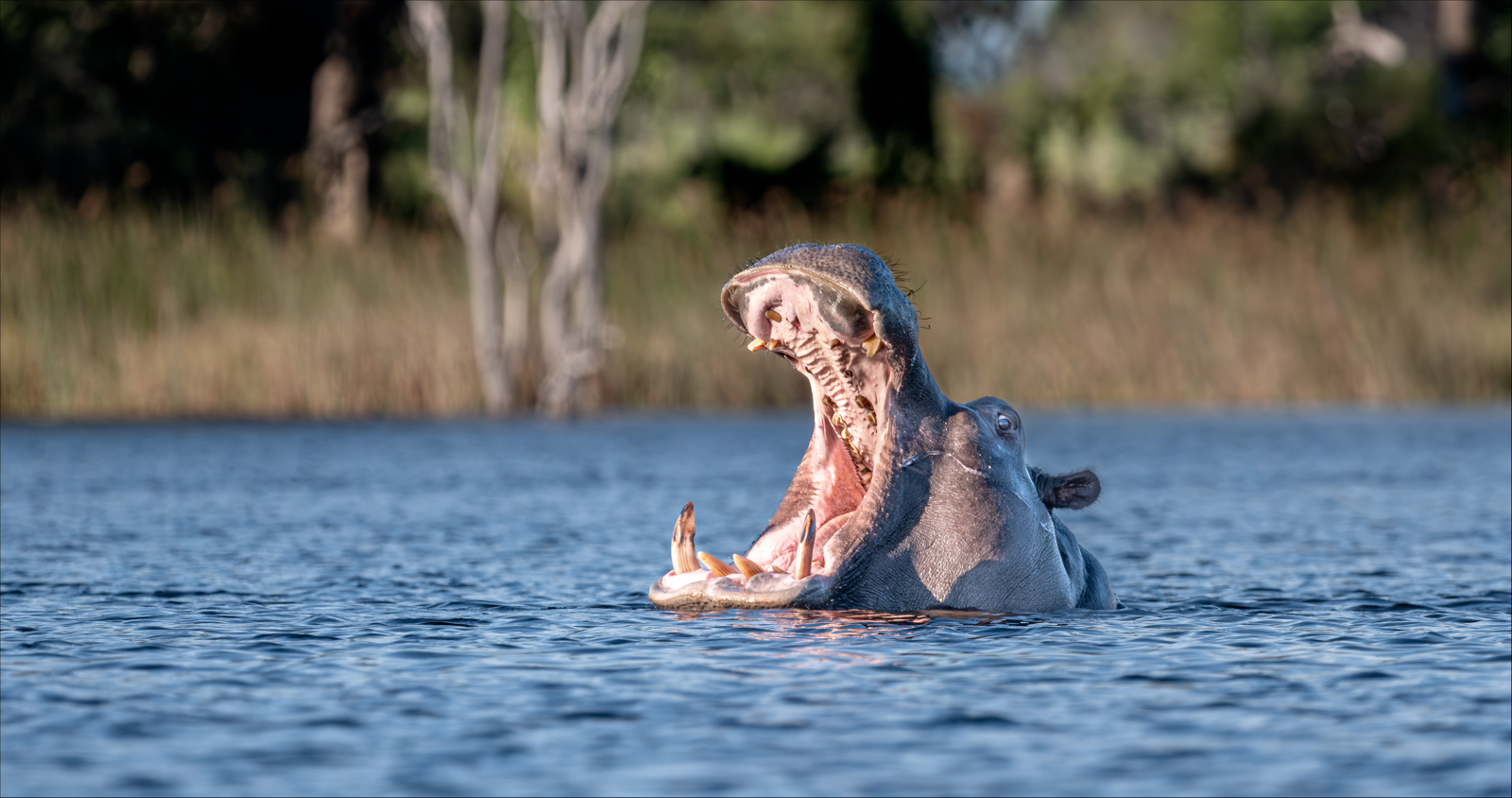
Above: these canoes are ‘poled’ through the long reeds of the delta and it is a little disconcerting to suddenly encounter an hippo from such a low viewpoint; great for photography though. Don’t know if I’m pleased or disappointed that we didn’t come across any elephants.
Above: a couple of snaps taken on the way back to Maun, to reconnect with the bus.
MAUN TO GHANZI
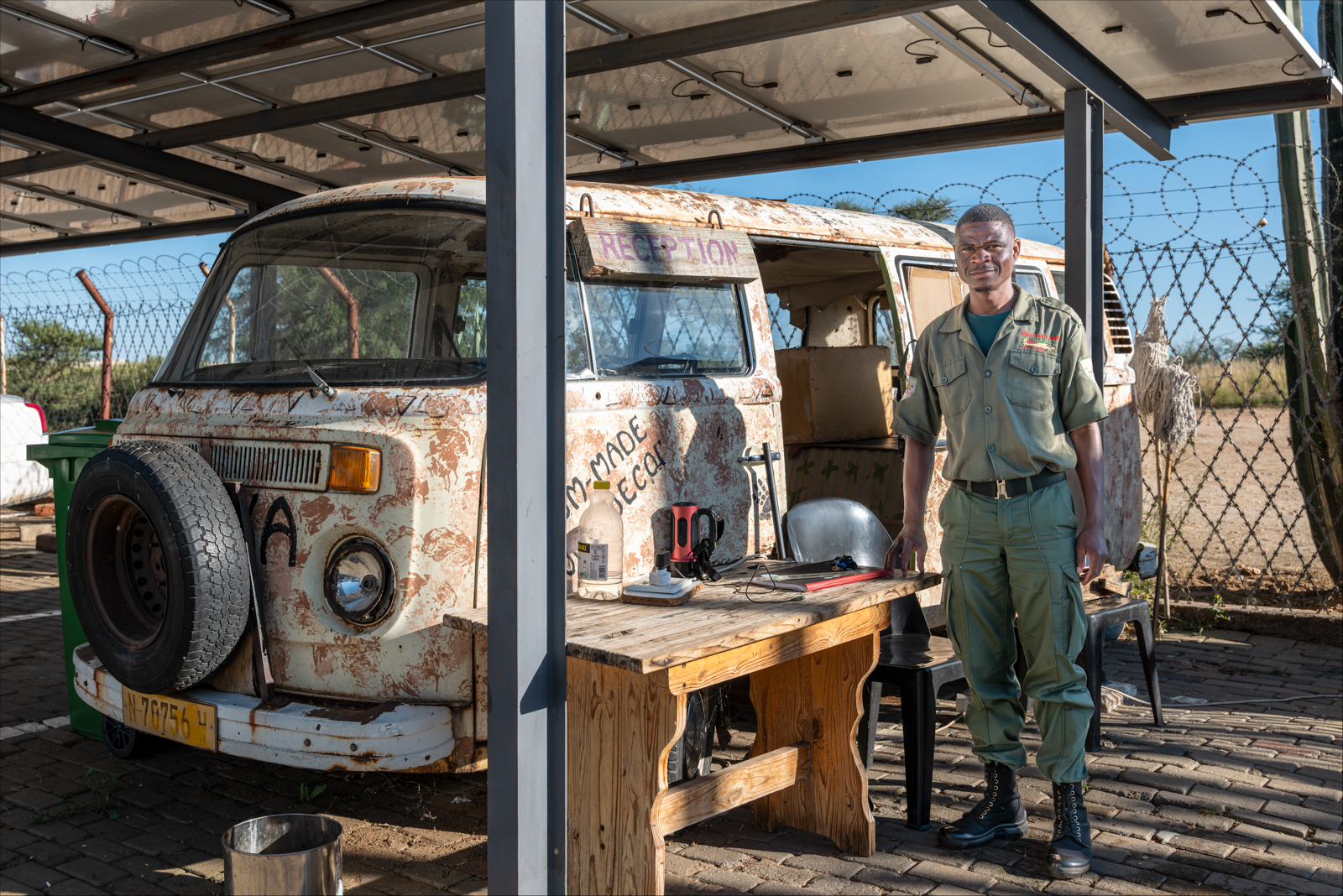
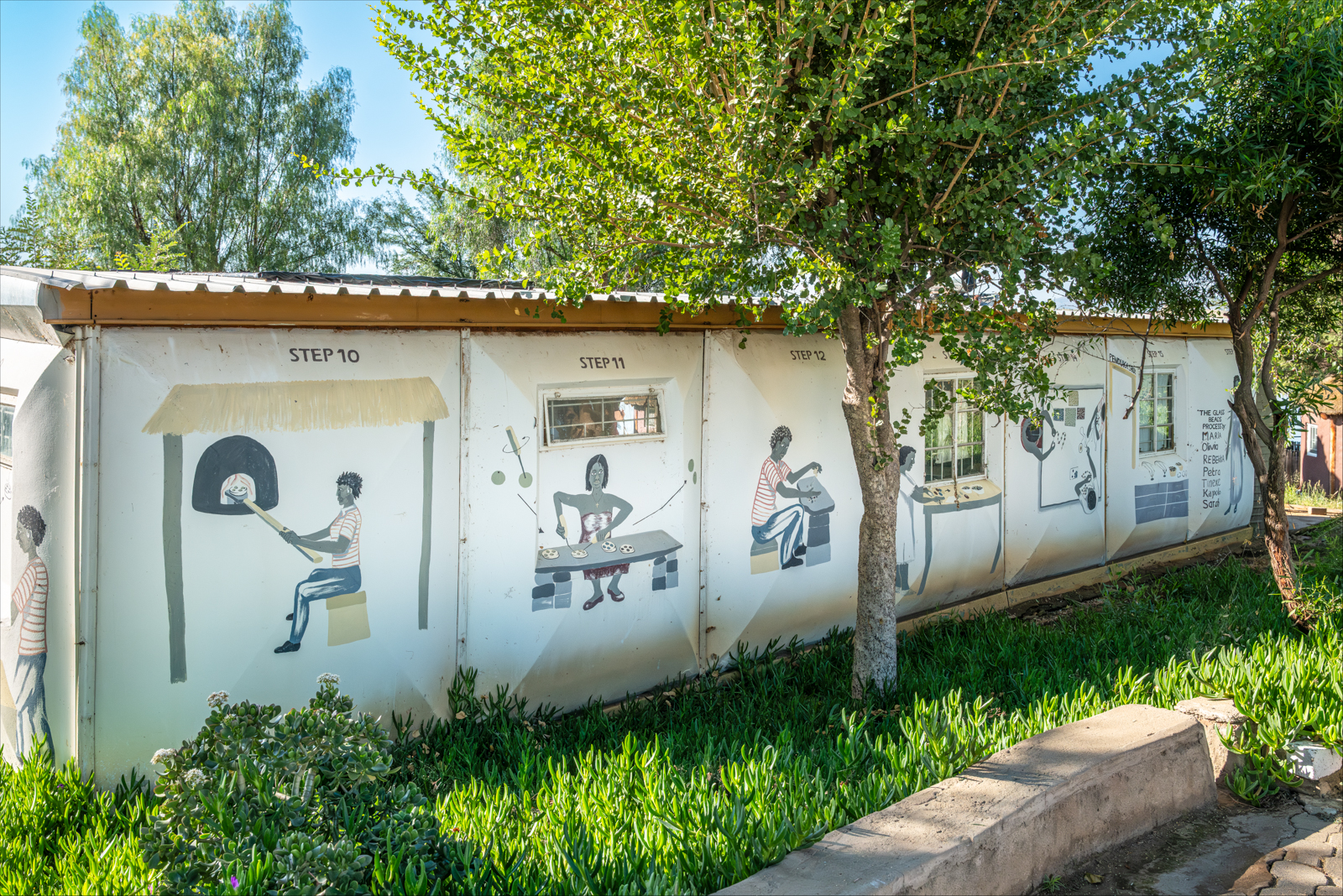
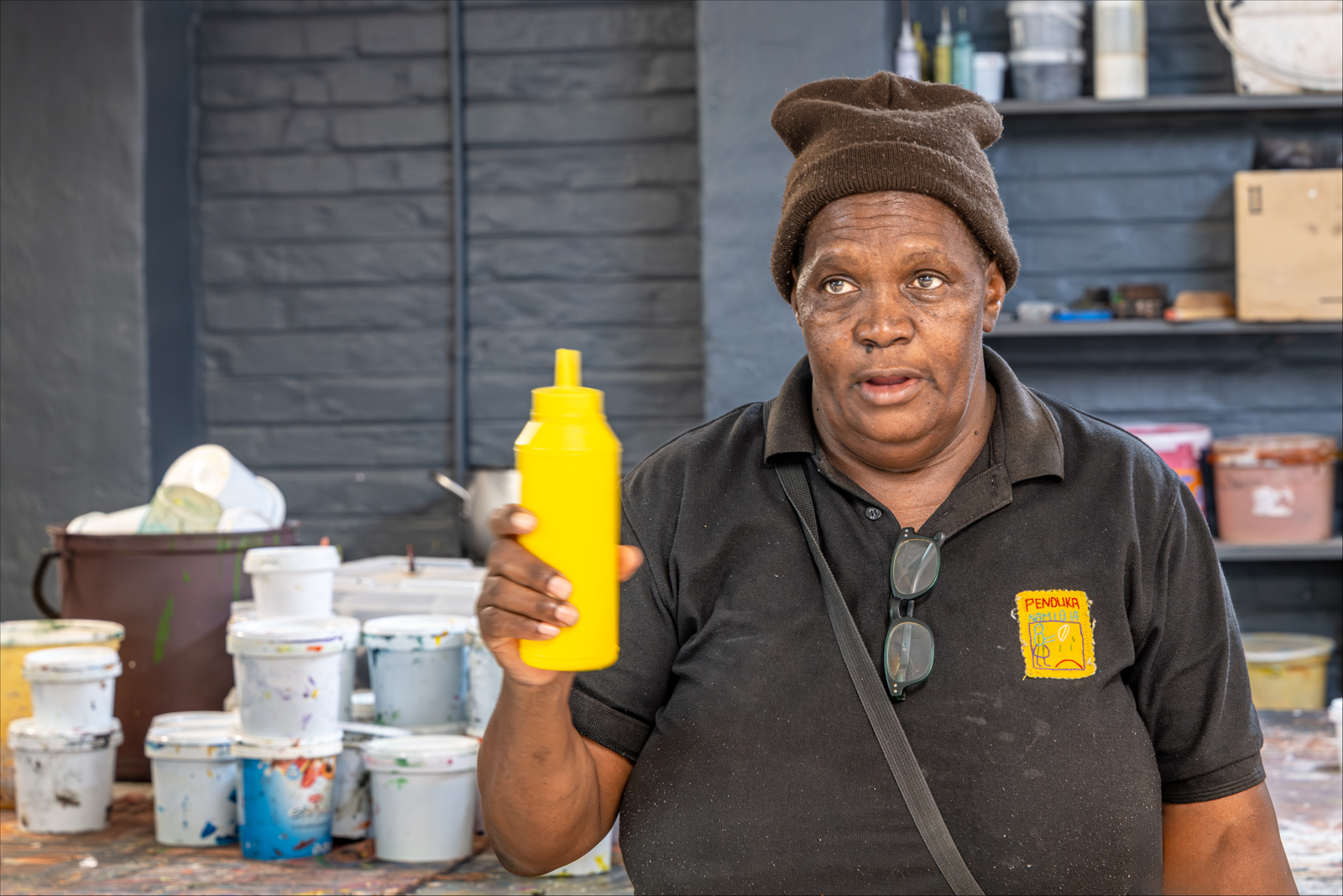
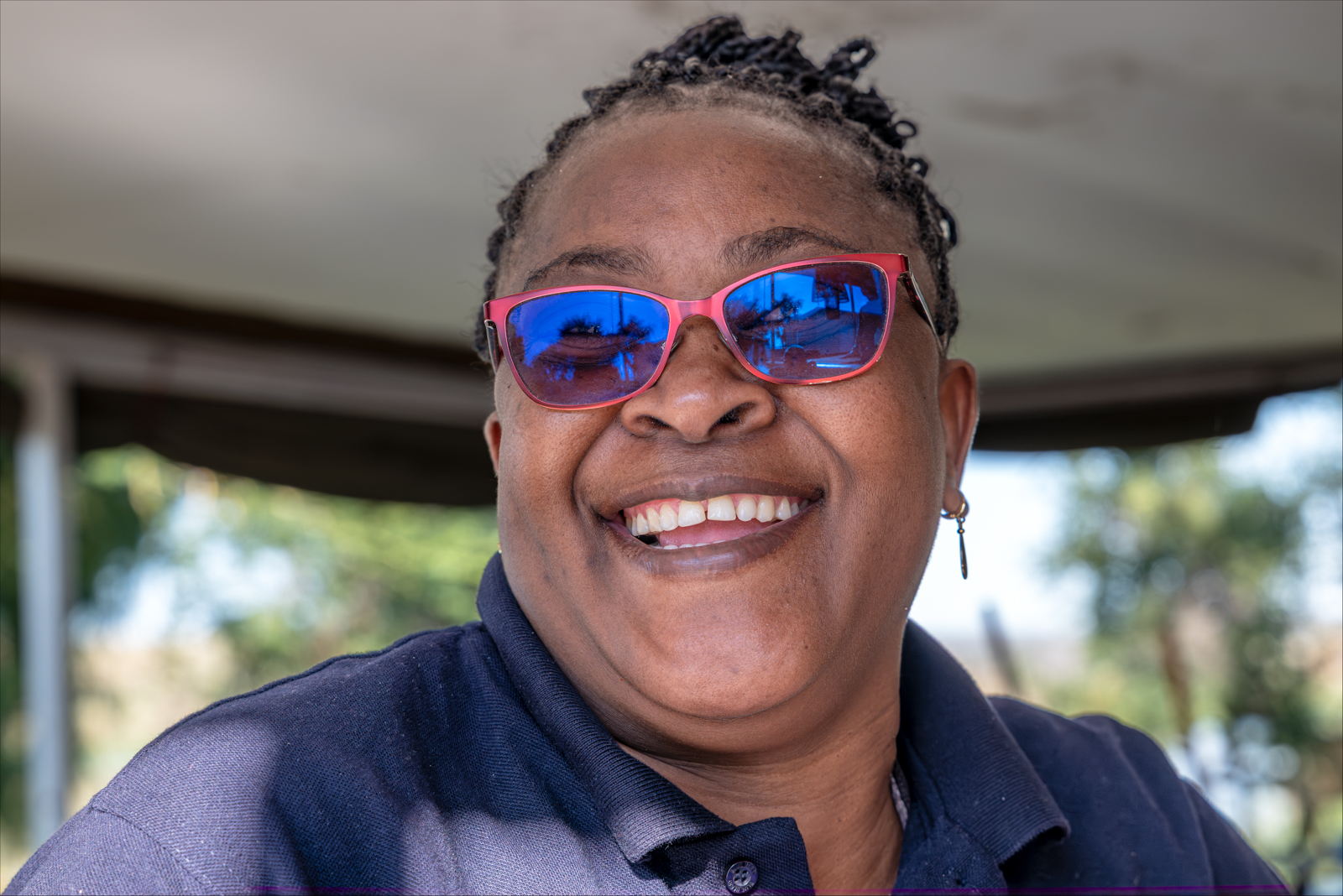
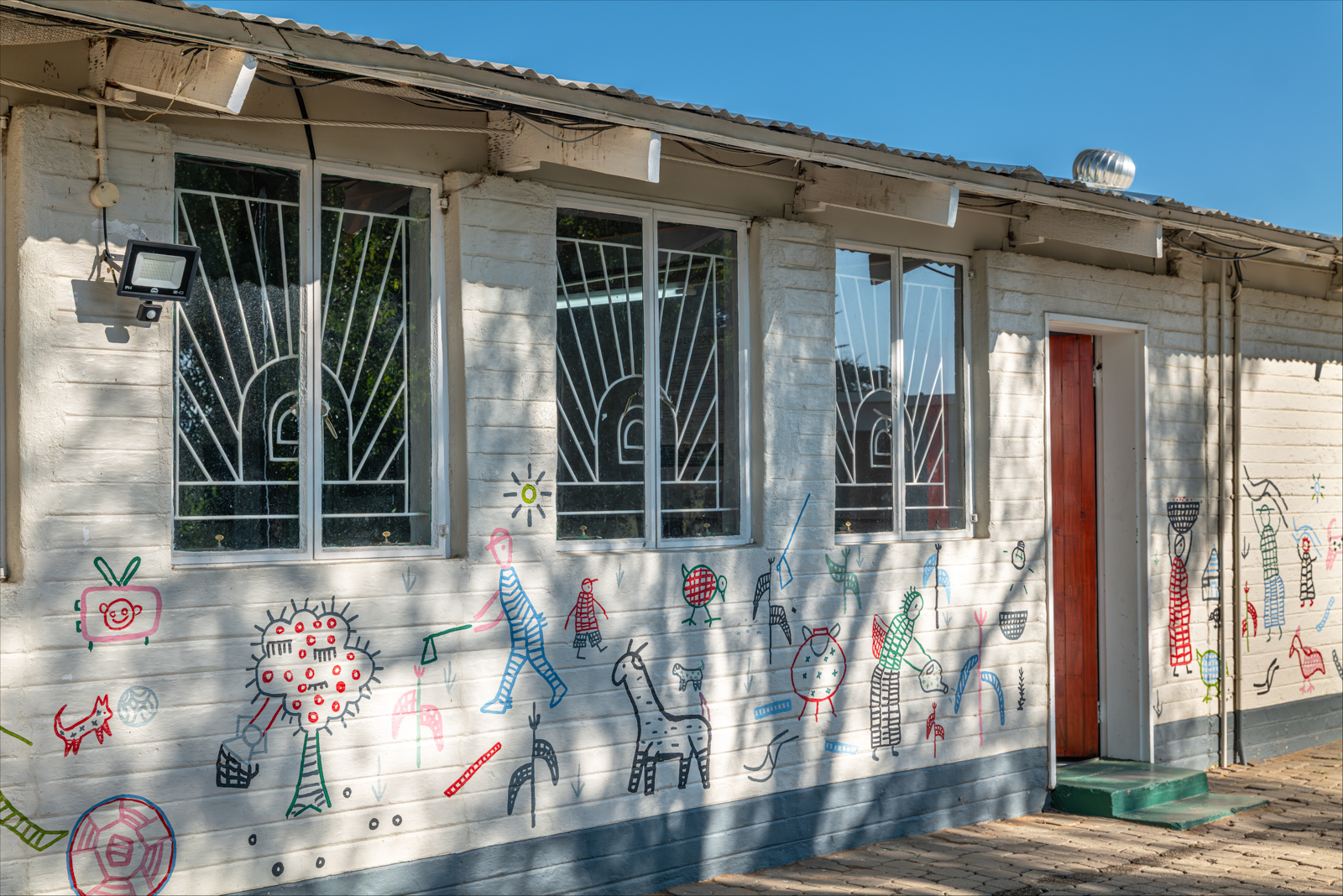
Above: on the way to Ghanzi we stopped off at Penouka Namibia, a project set up to help the local women to develop their skills in making various craft objects for sale to the tourists. I particularly liked the old Volkswagen camper van which was used as the reception and a couple of ladies who showed us around.
ETOSHA NATIONAL PARK, NAMIBIA
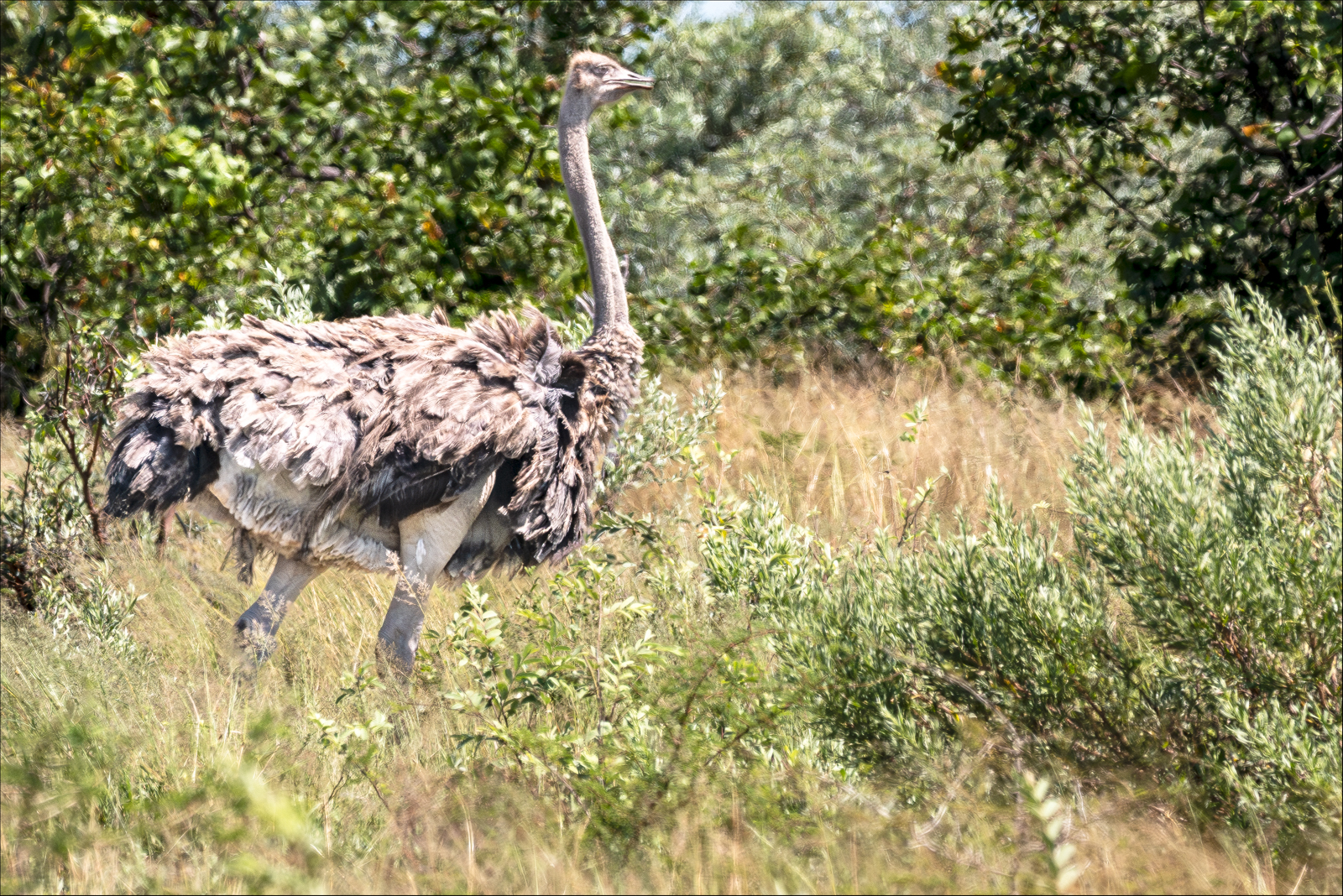
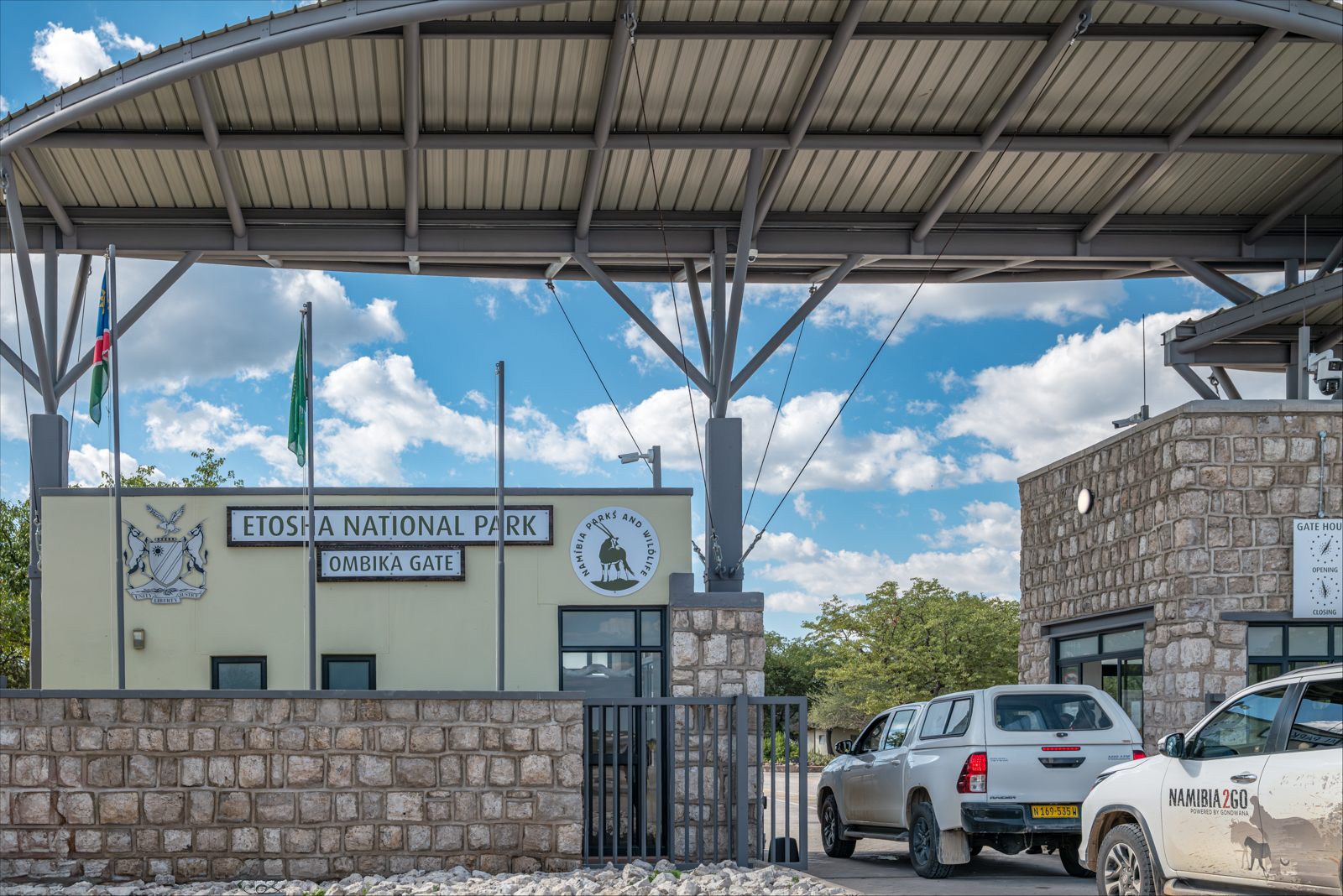
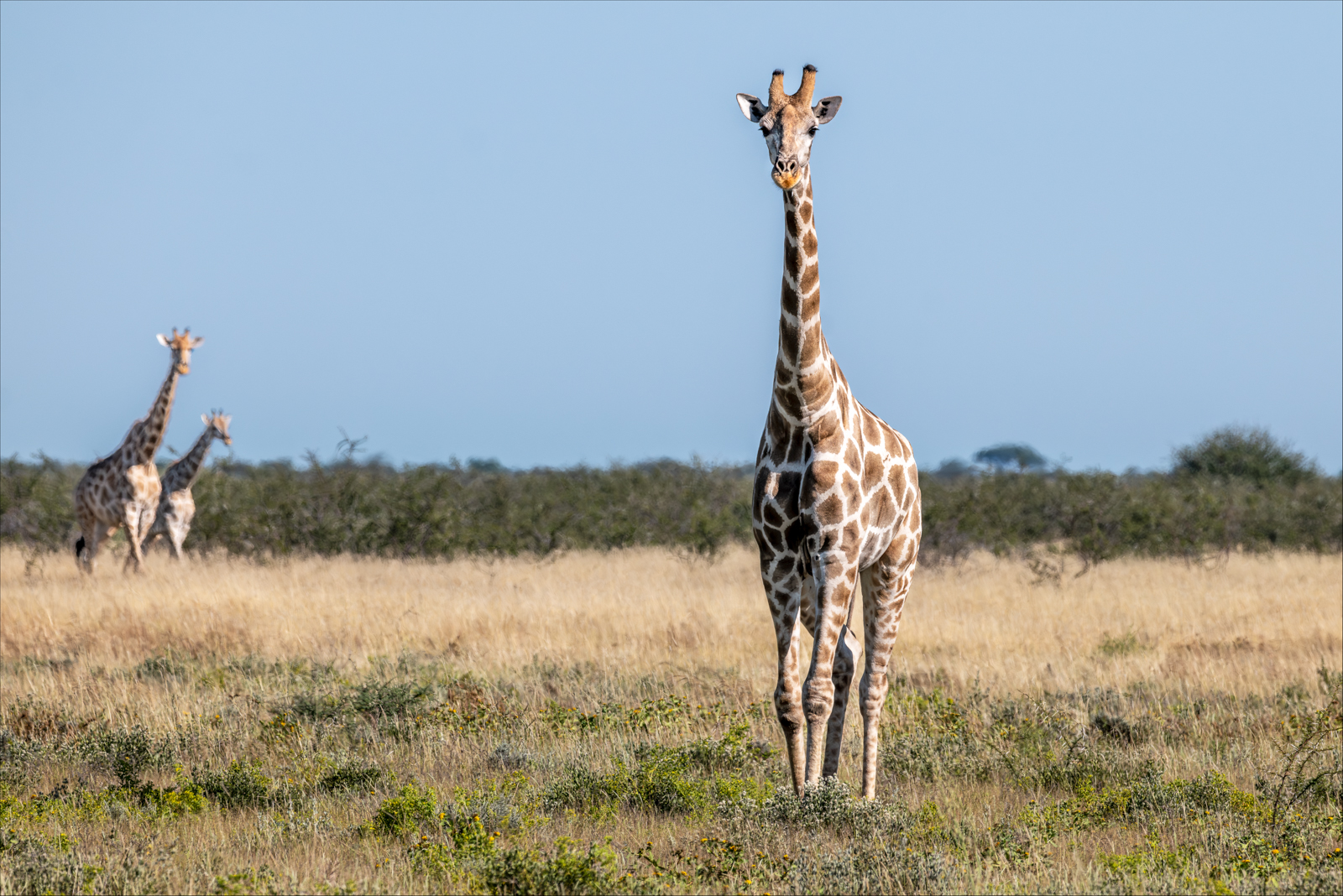
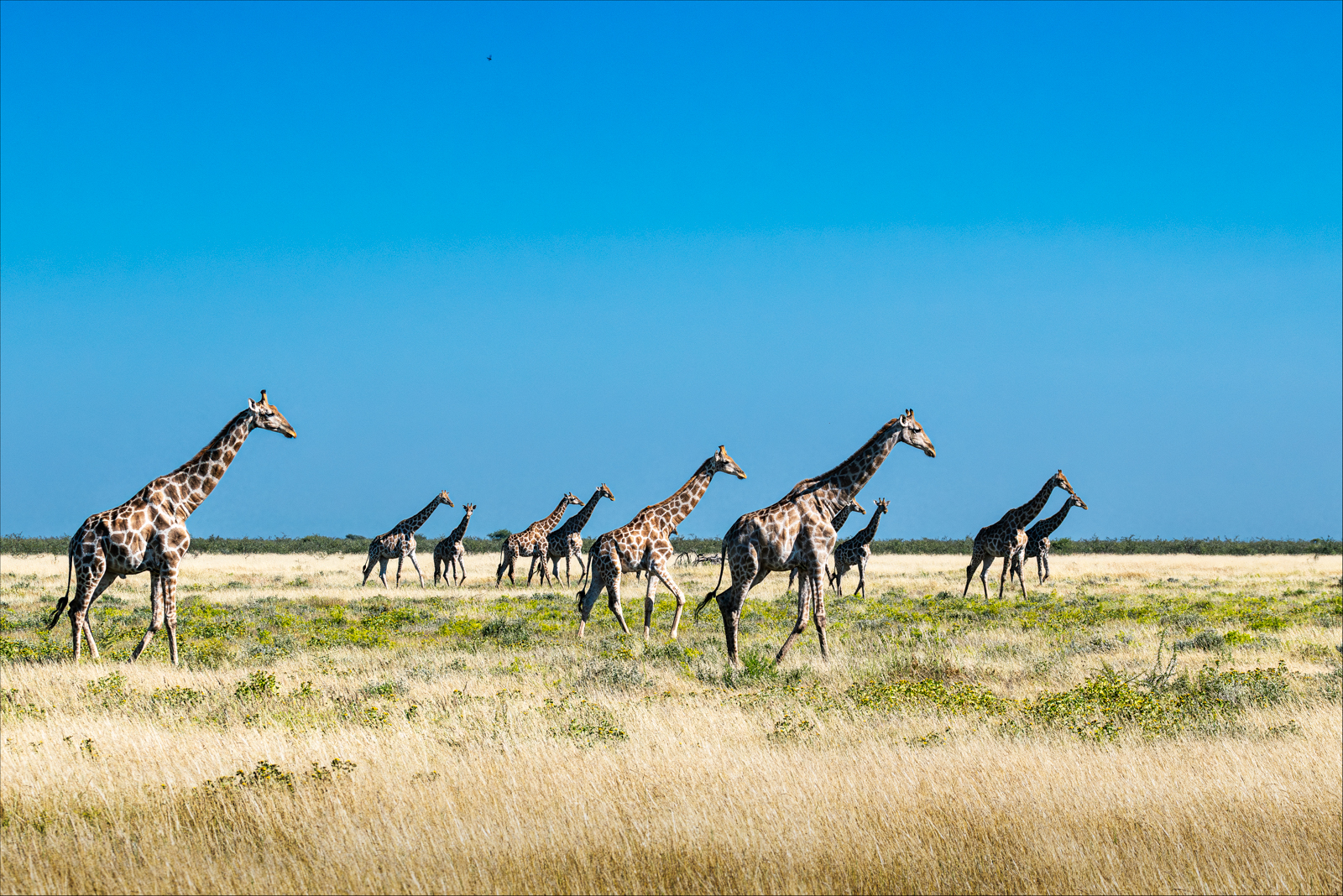
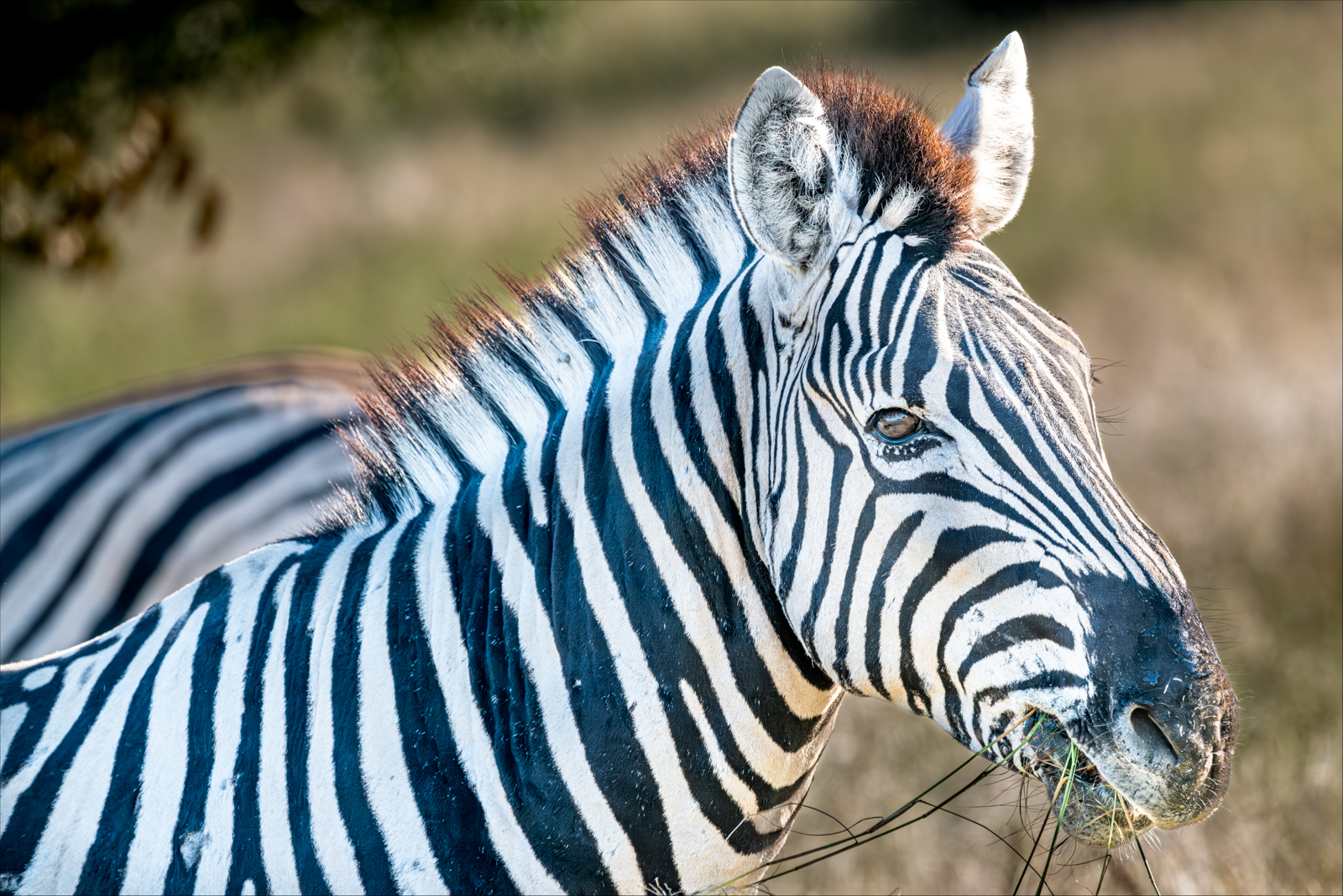
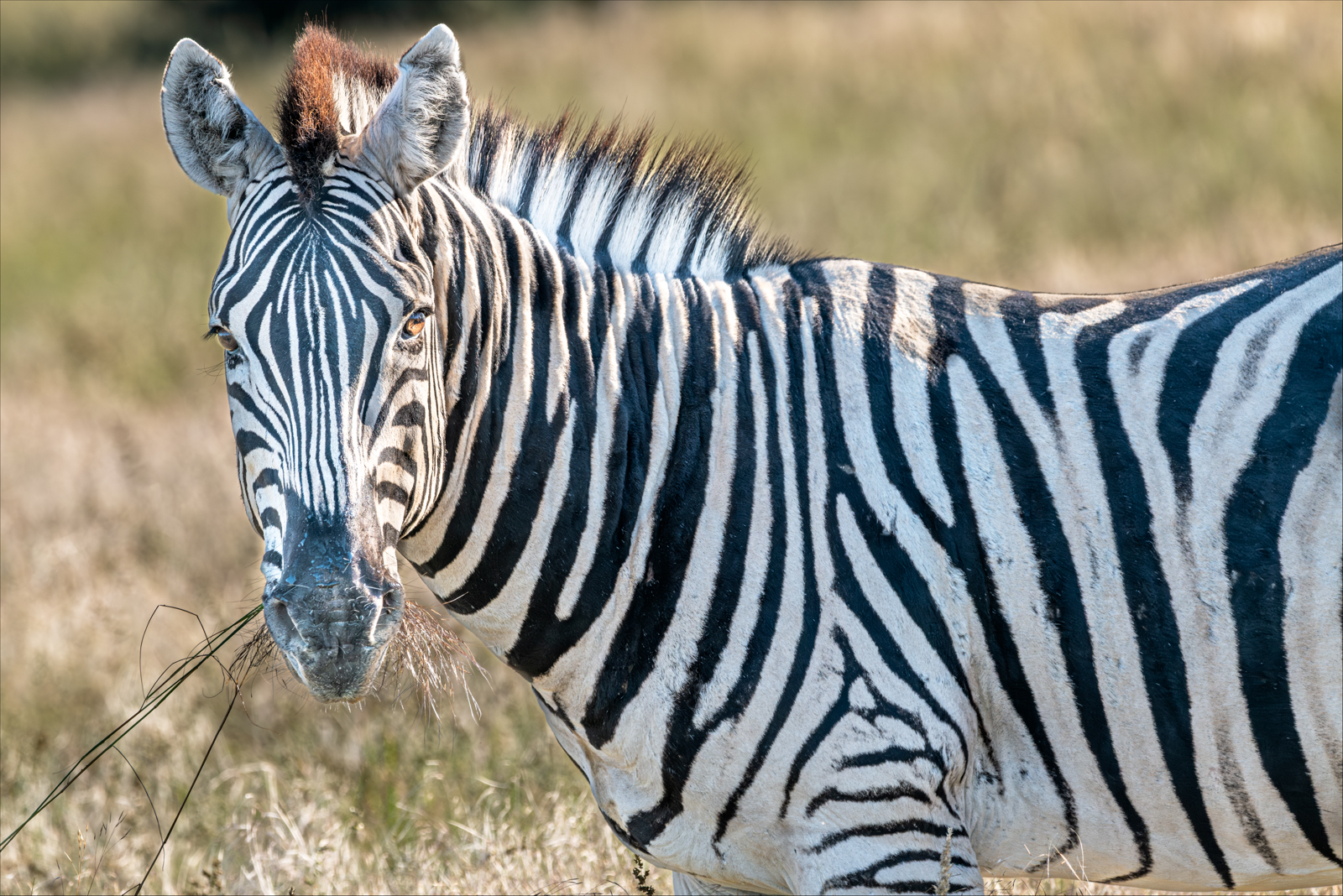
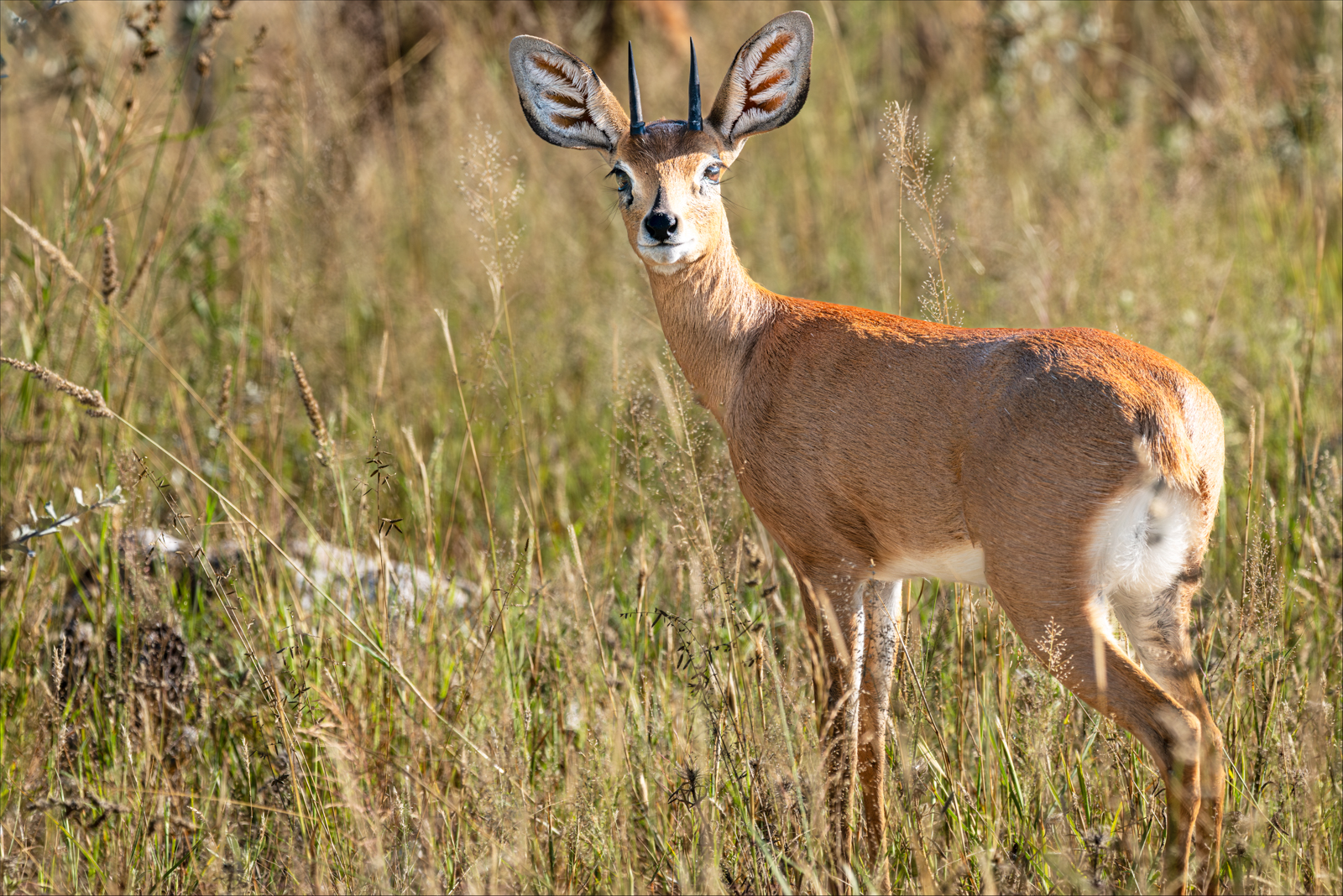
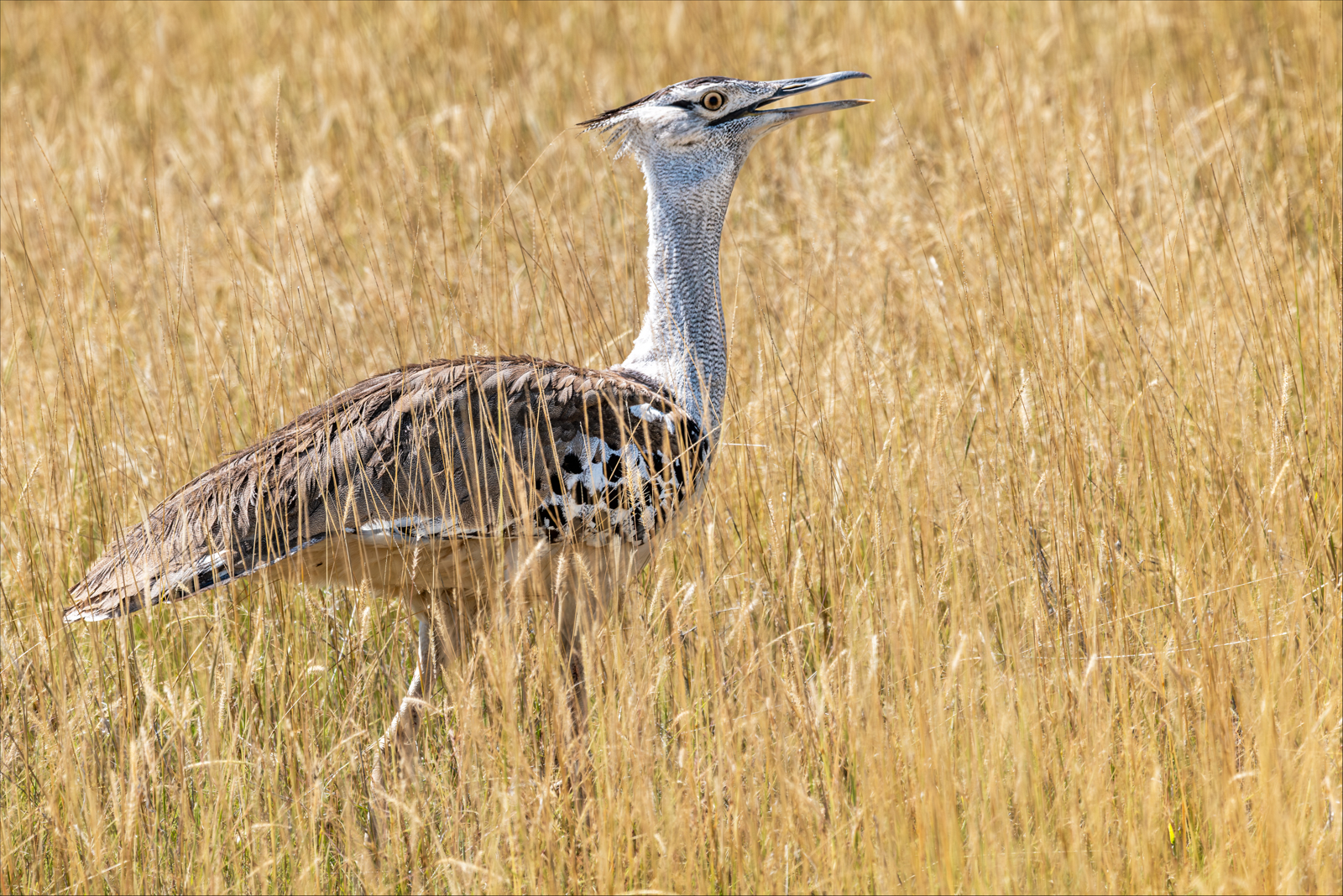
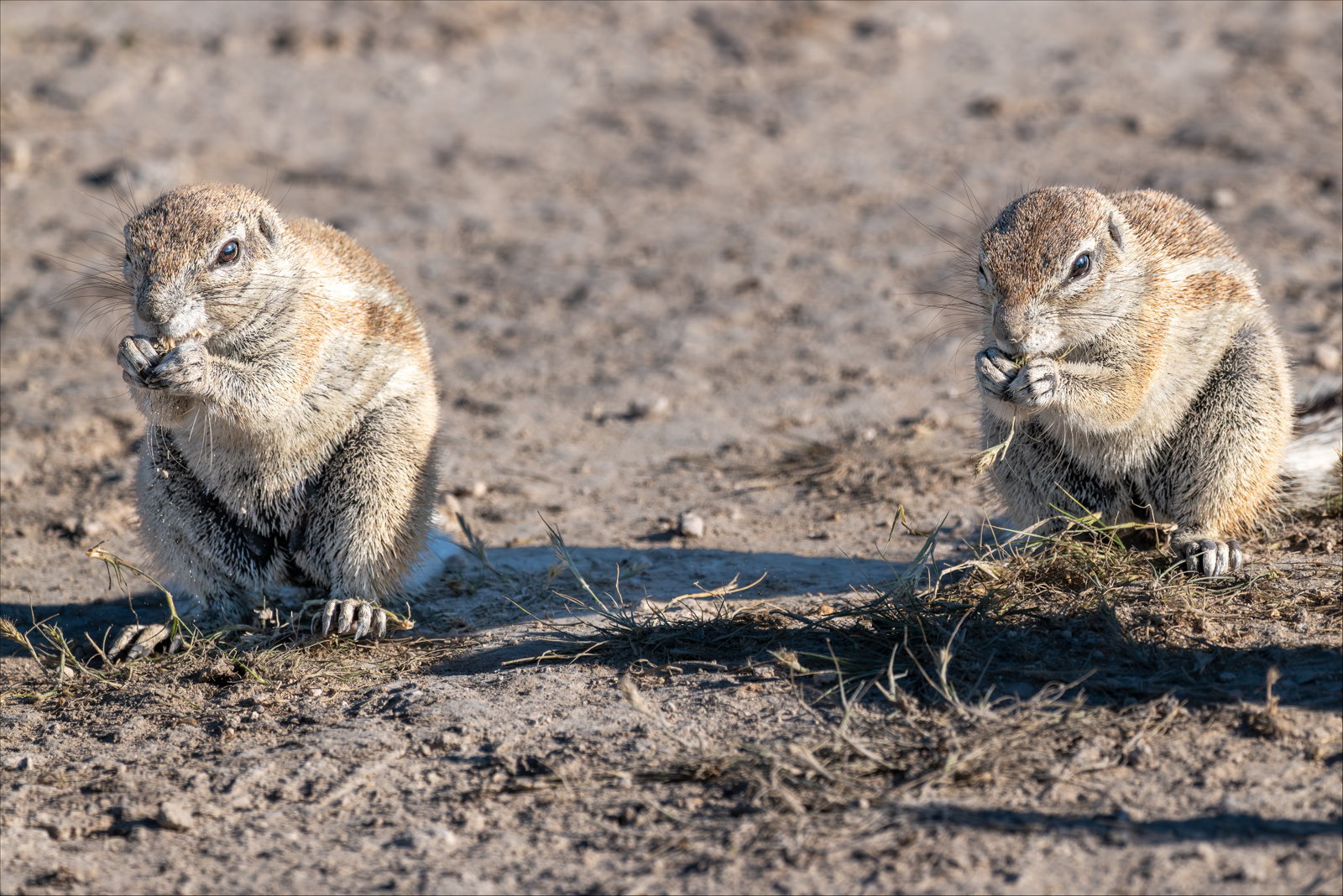
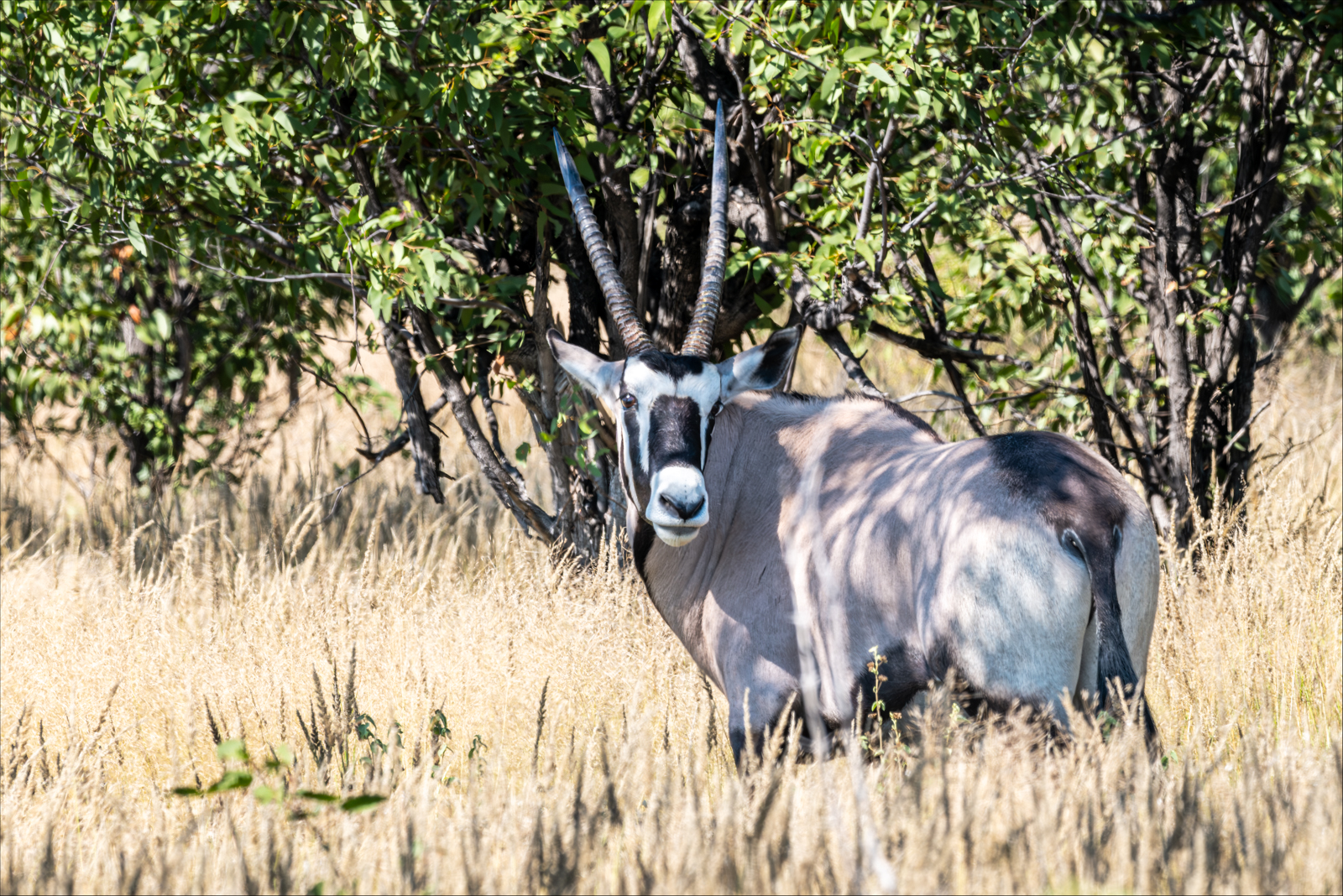
Above: the game viewing in Etosha was a little disappointing as we didn’t see the variation of animals we had seen in other game reserves, particularly in the private lodges surrounding the Kruger National Park in South Africa. Nevertheless, it was a most enjoyable day.
SWAKOPMUND
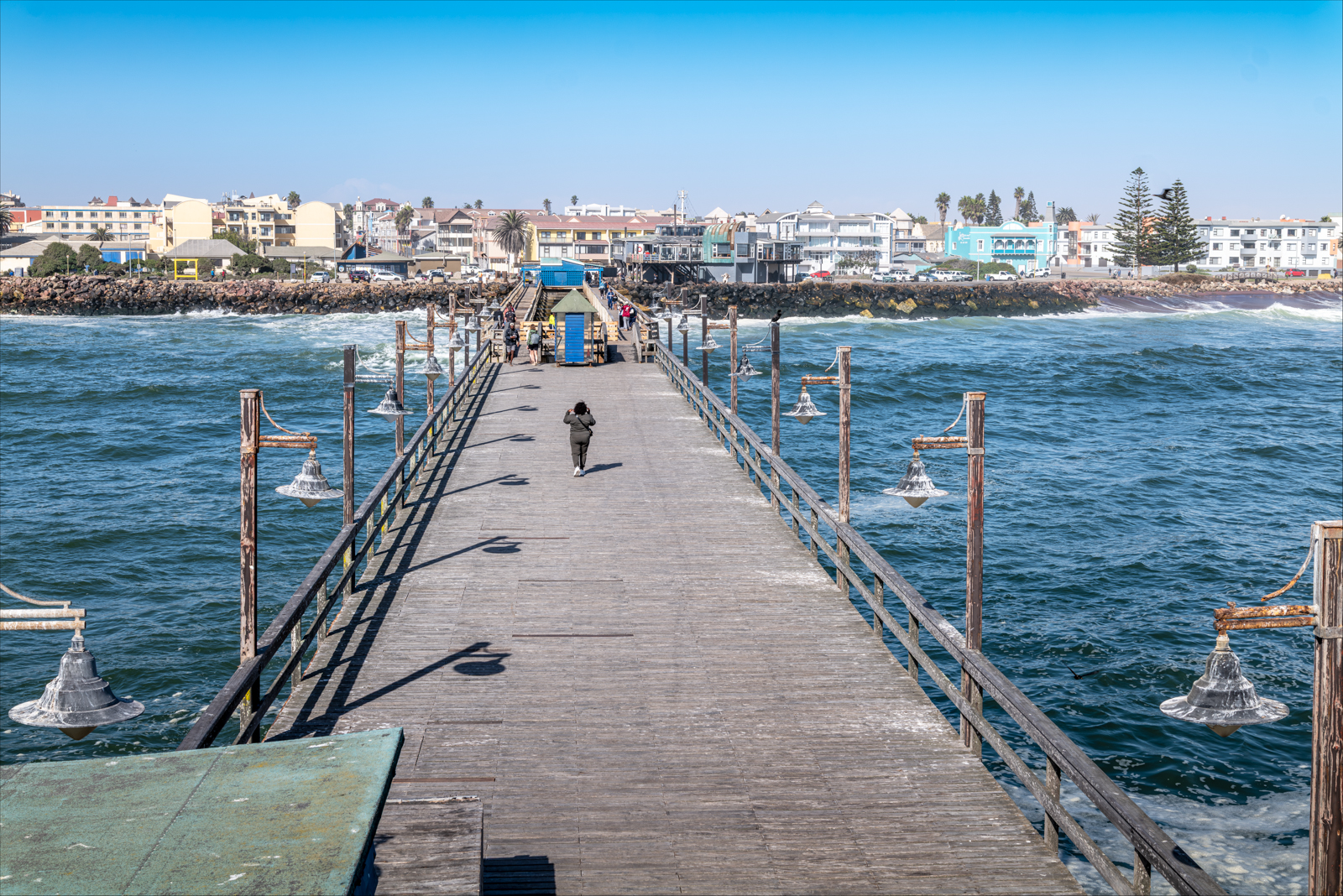
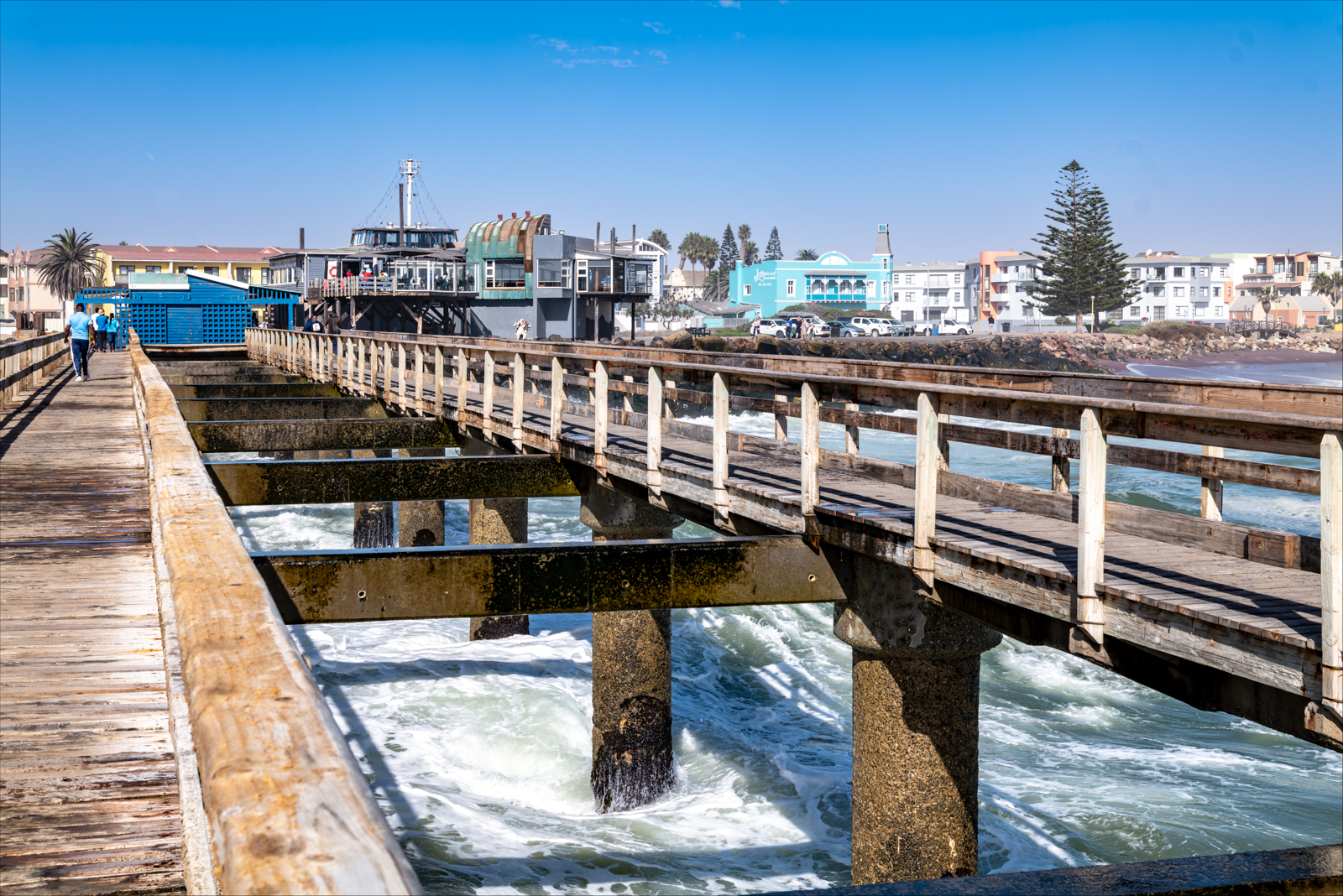
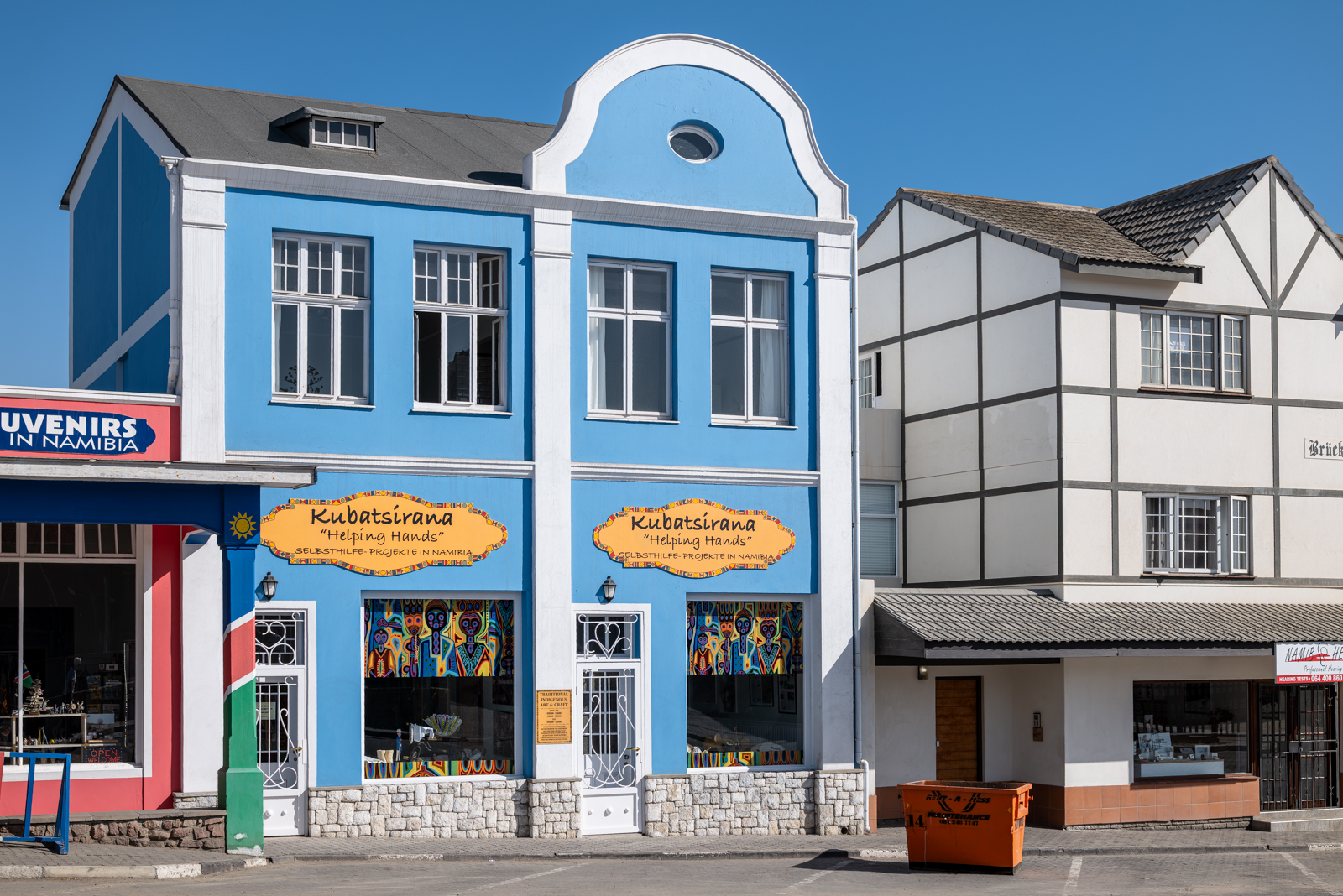
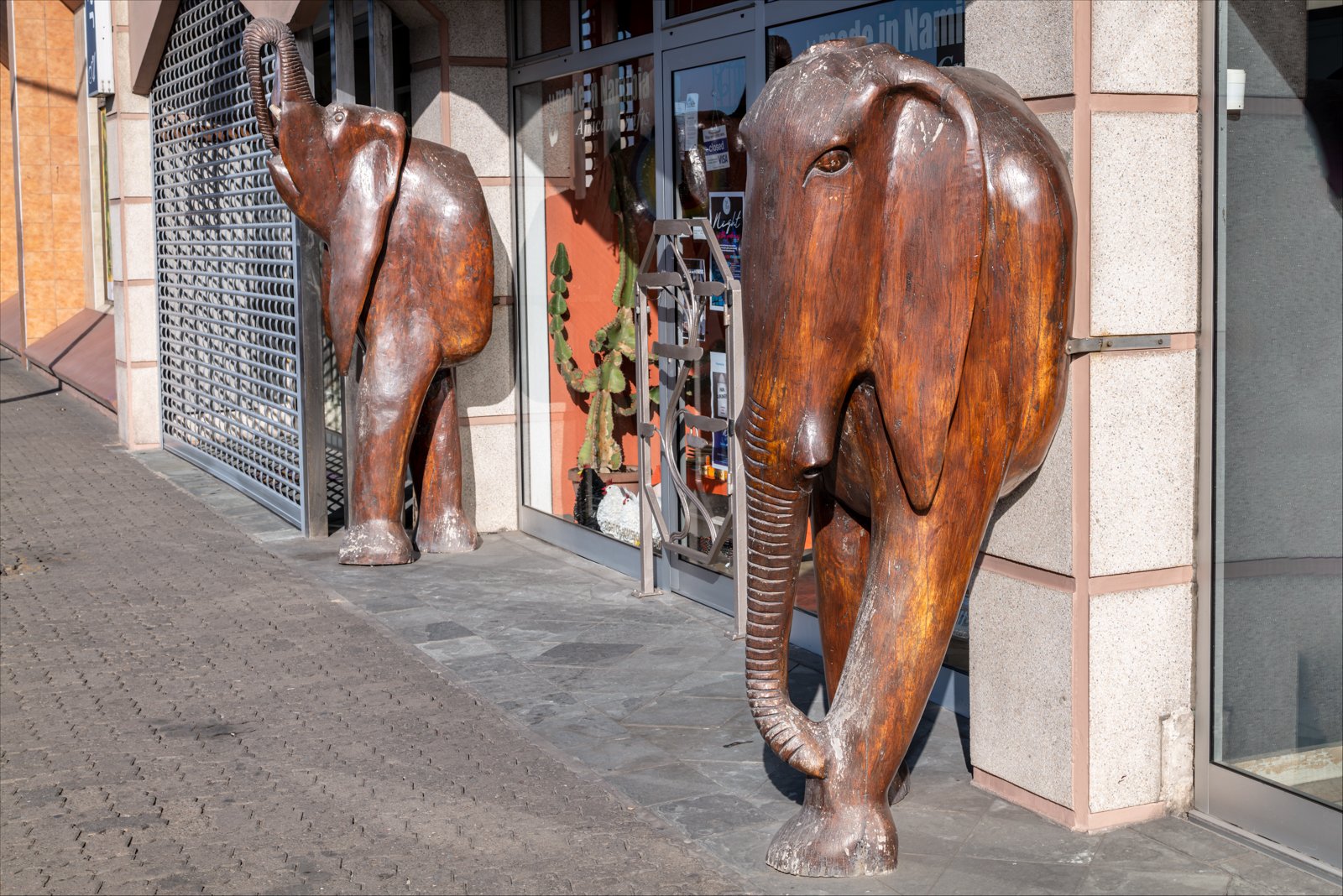
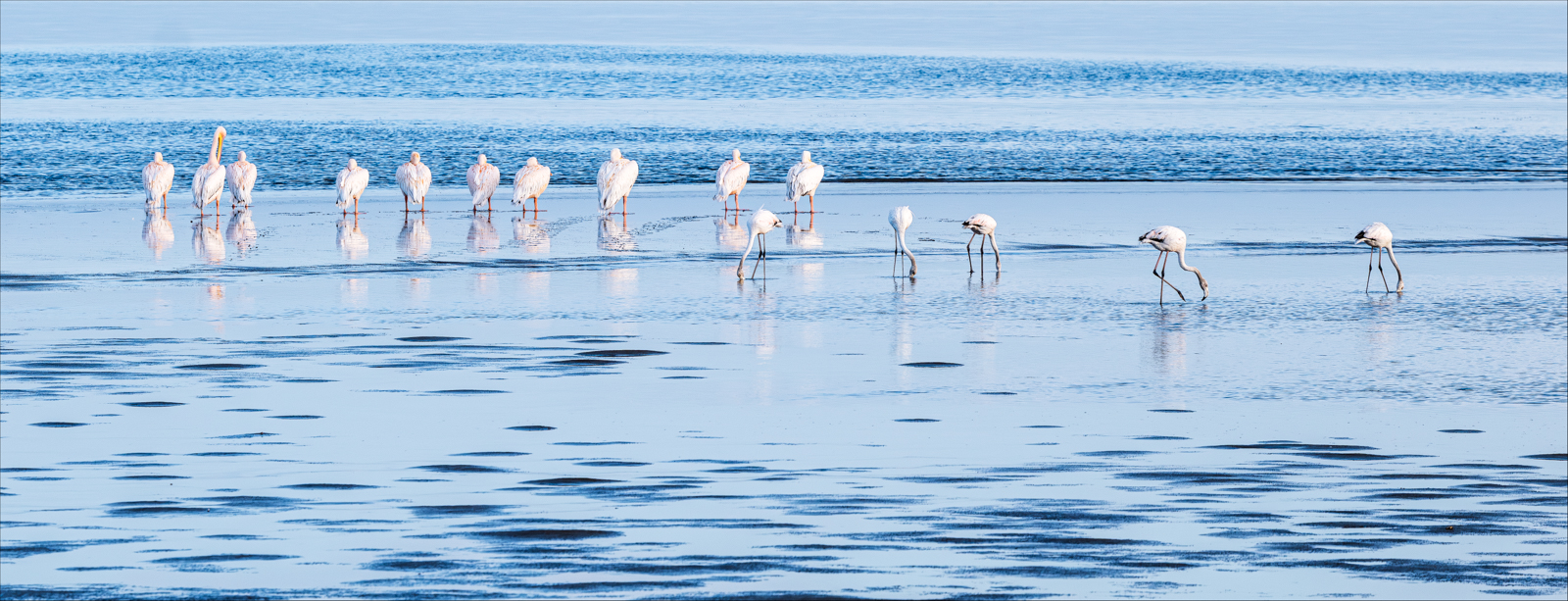
Above: a couple of general images taken around Sakopmund
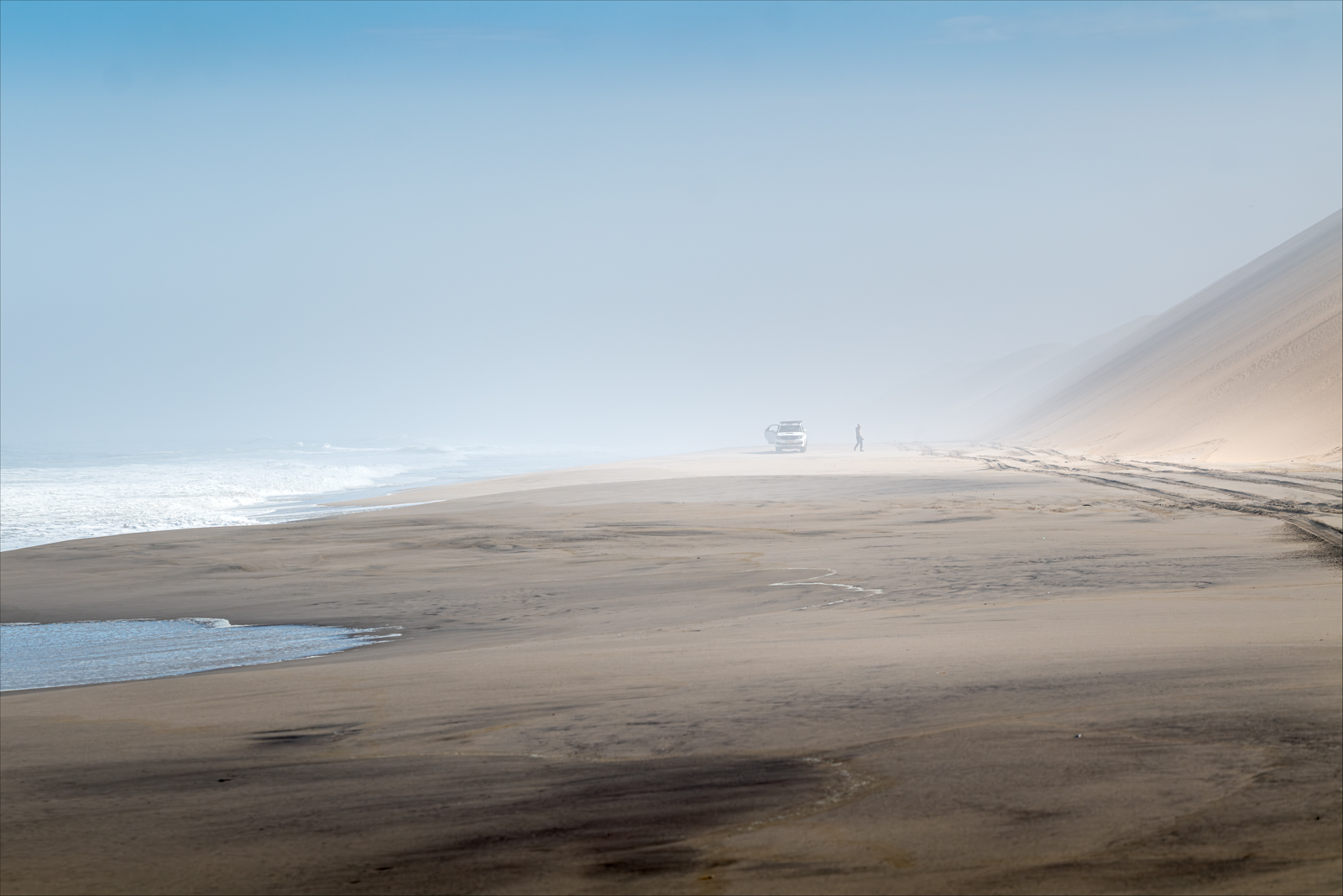
Above: I particularly like this picture as the early morning mist and fog have a dramatic effect.
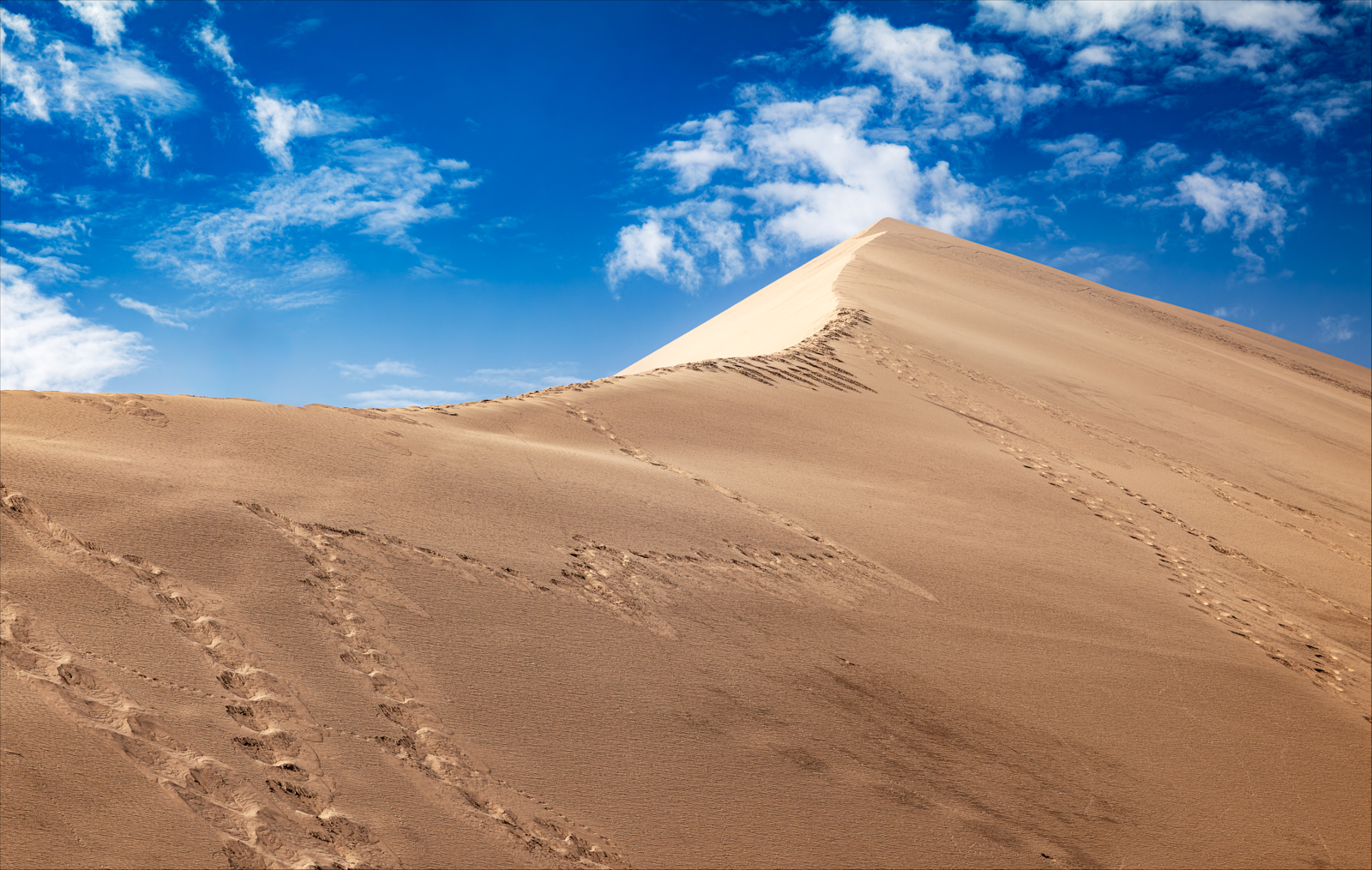
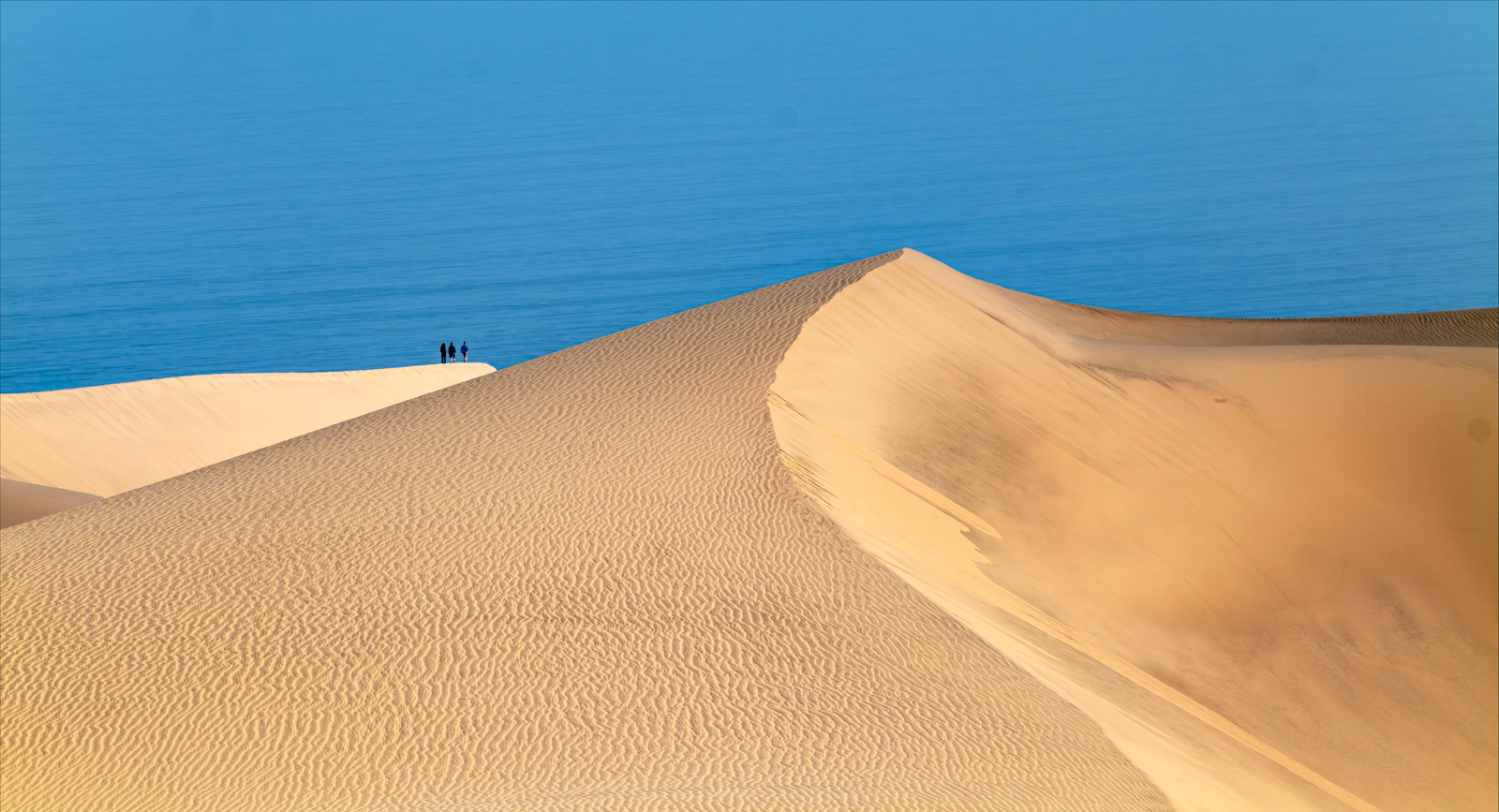
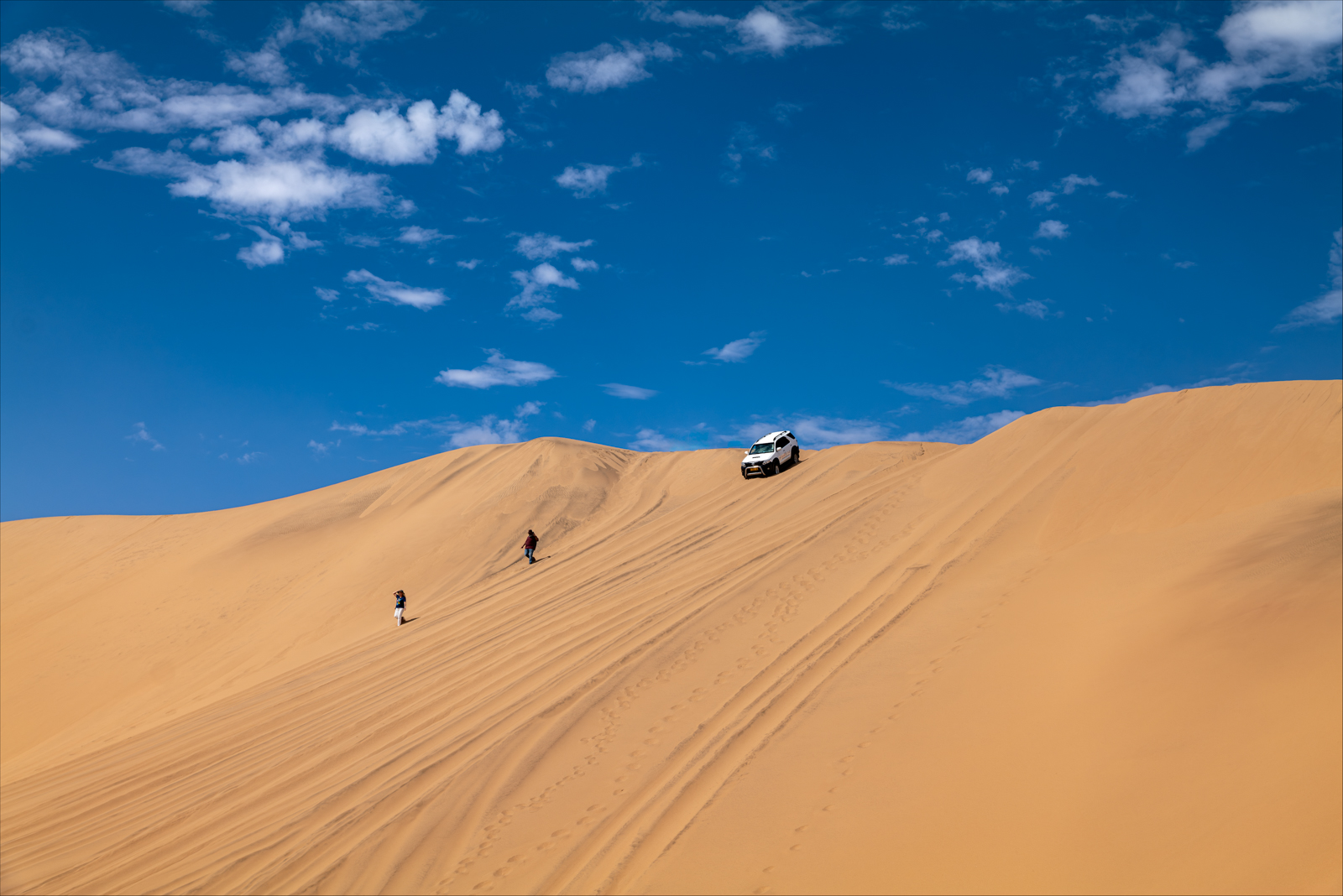
Above: from Swakopmund we did a trip into the desert to see the sand dunes which literally rise from the beach. Having lived in Dubai for five years we had driven in the desert many times, both in four wheel drive Land Cruisers and me on motorbikes.
SWAKOPMUND TO THE NAMIB DESERT
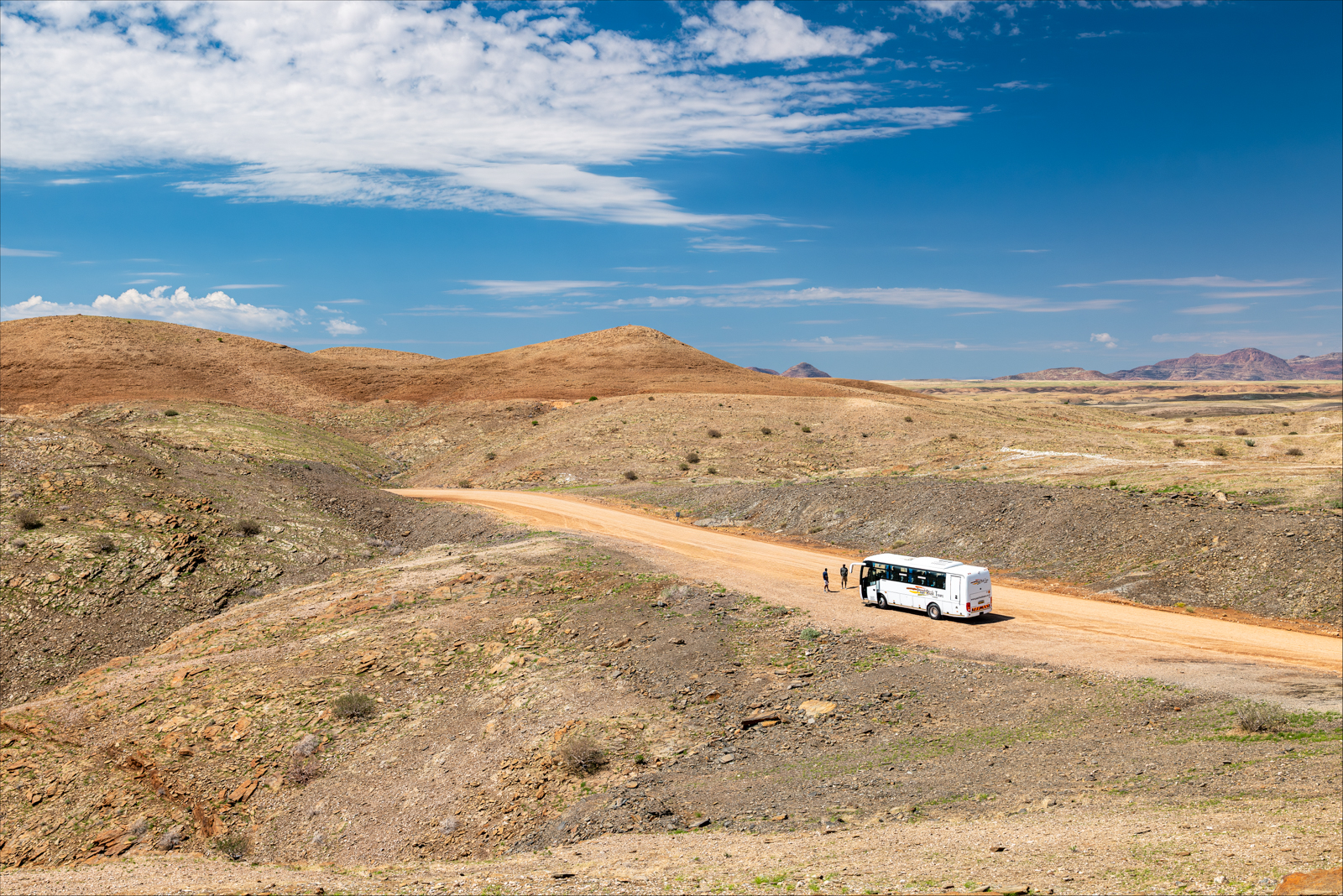
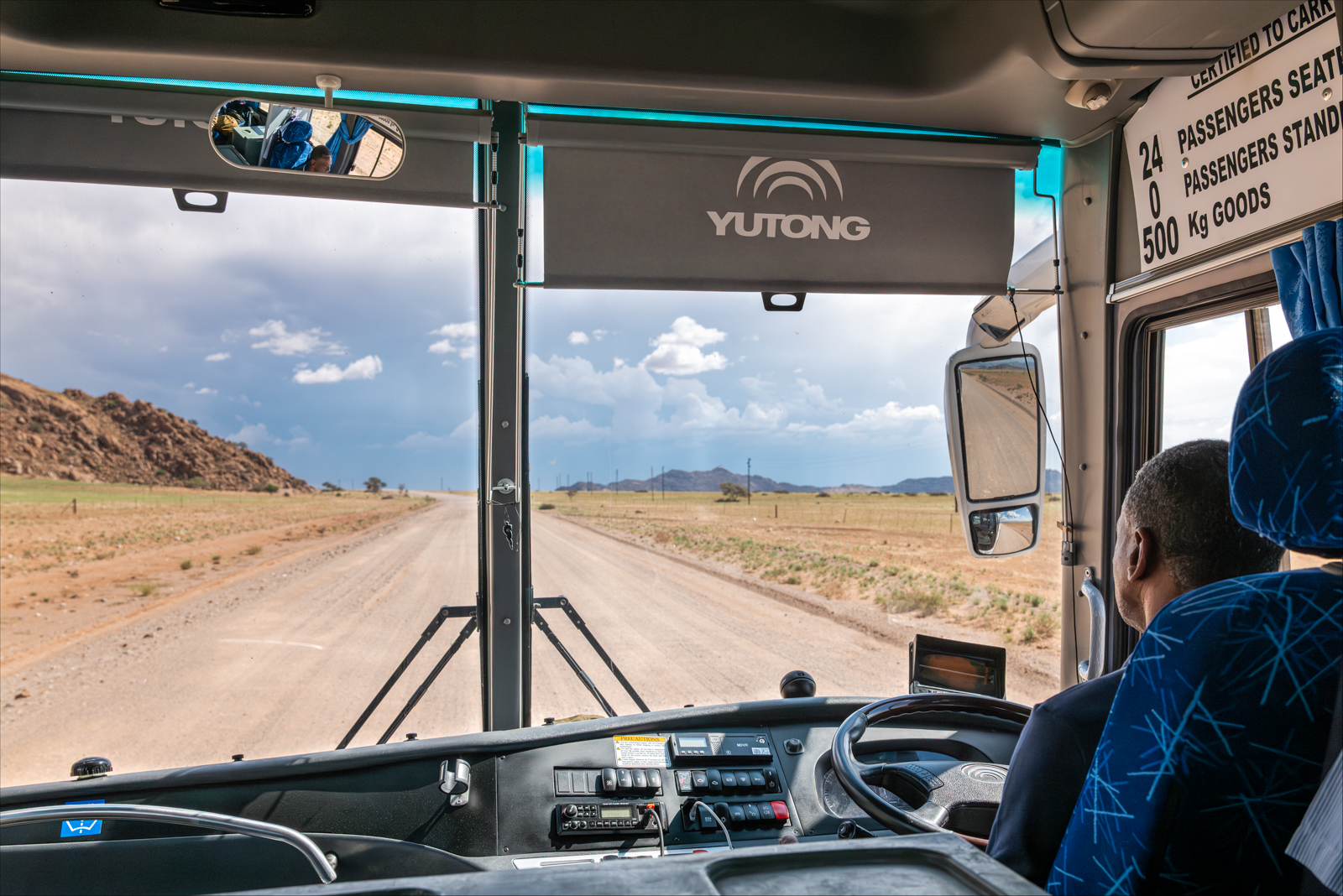
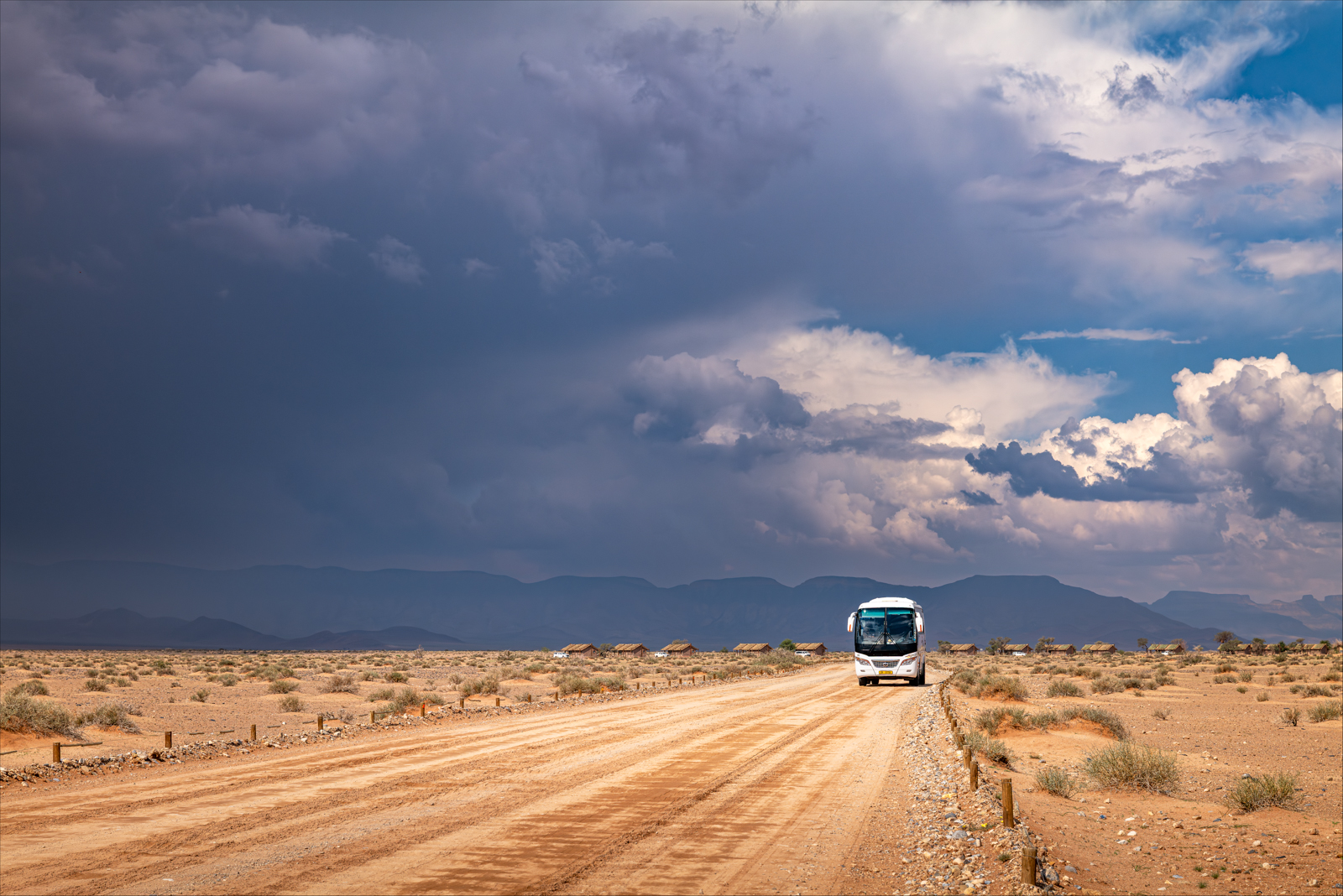
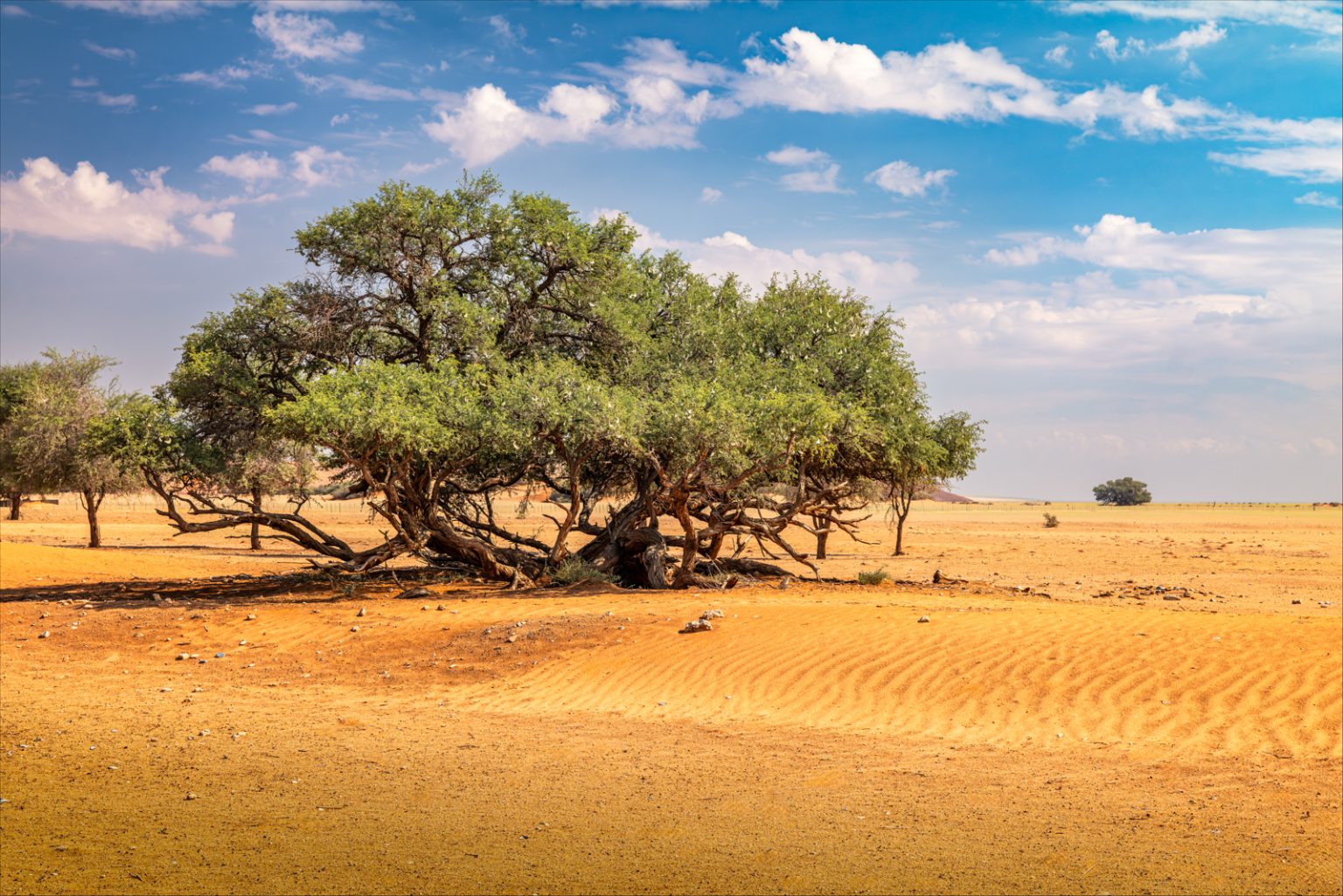
Above: this was the bus we did the entire journey in. Of the 5,500 kilometres we covered, probably half was on dirt roads like the one shown here. The locals called this ‘the African Massage’ as you bounce along. We had to have the brake booster cylinder retightened, but apart from that I was really impressed with the bus and how it kept going with the rough treatment that was thrown at it.
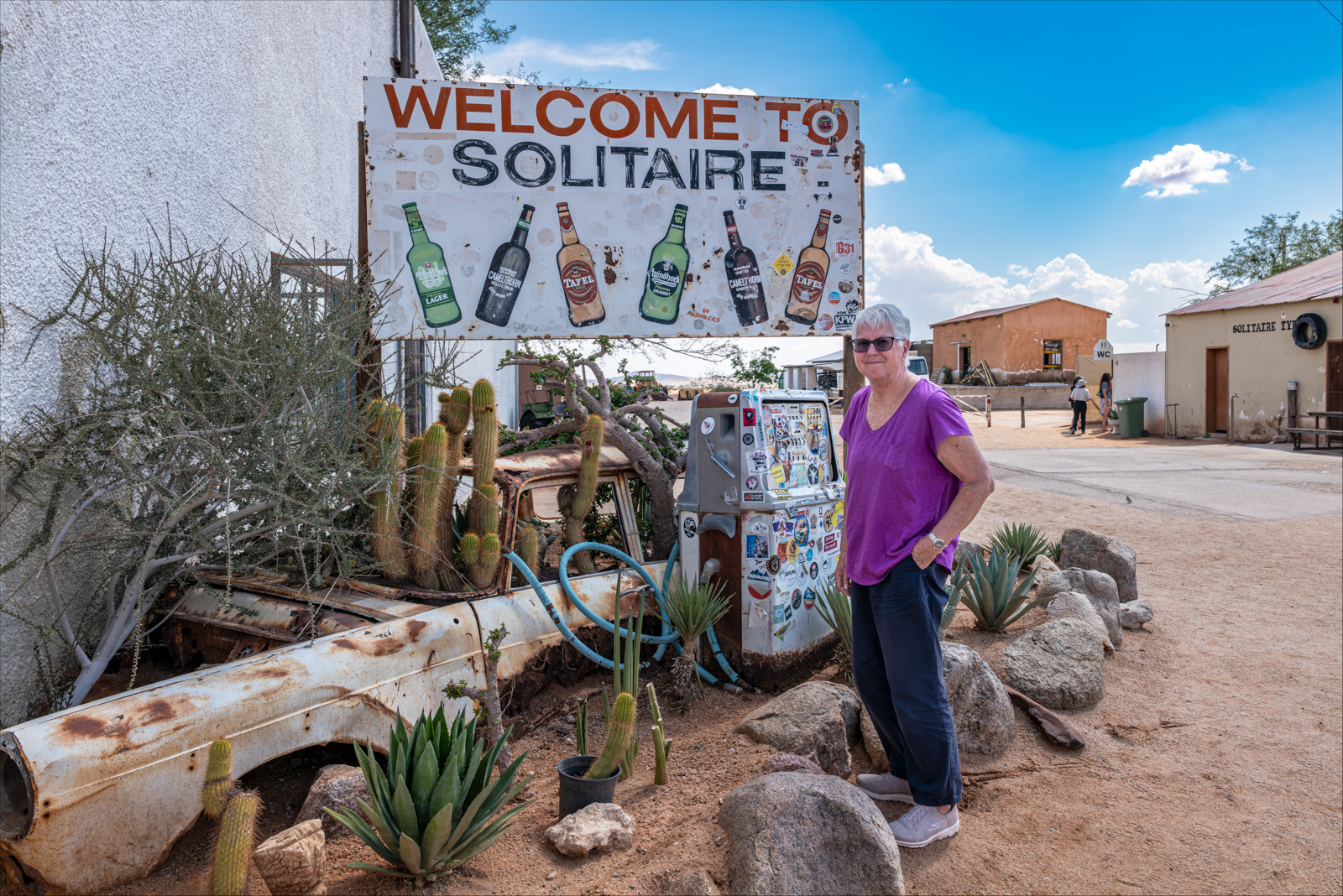
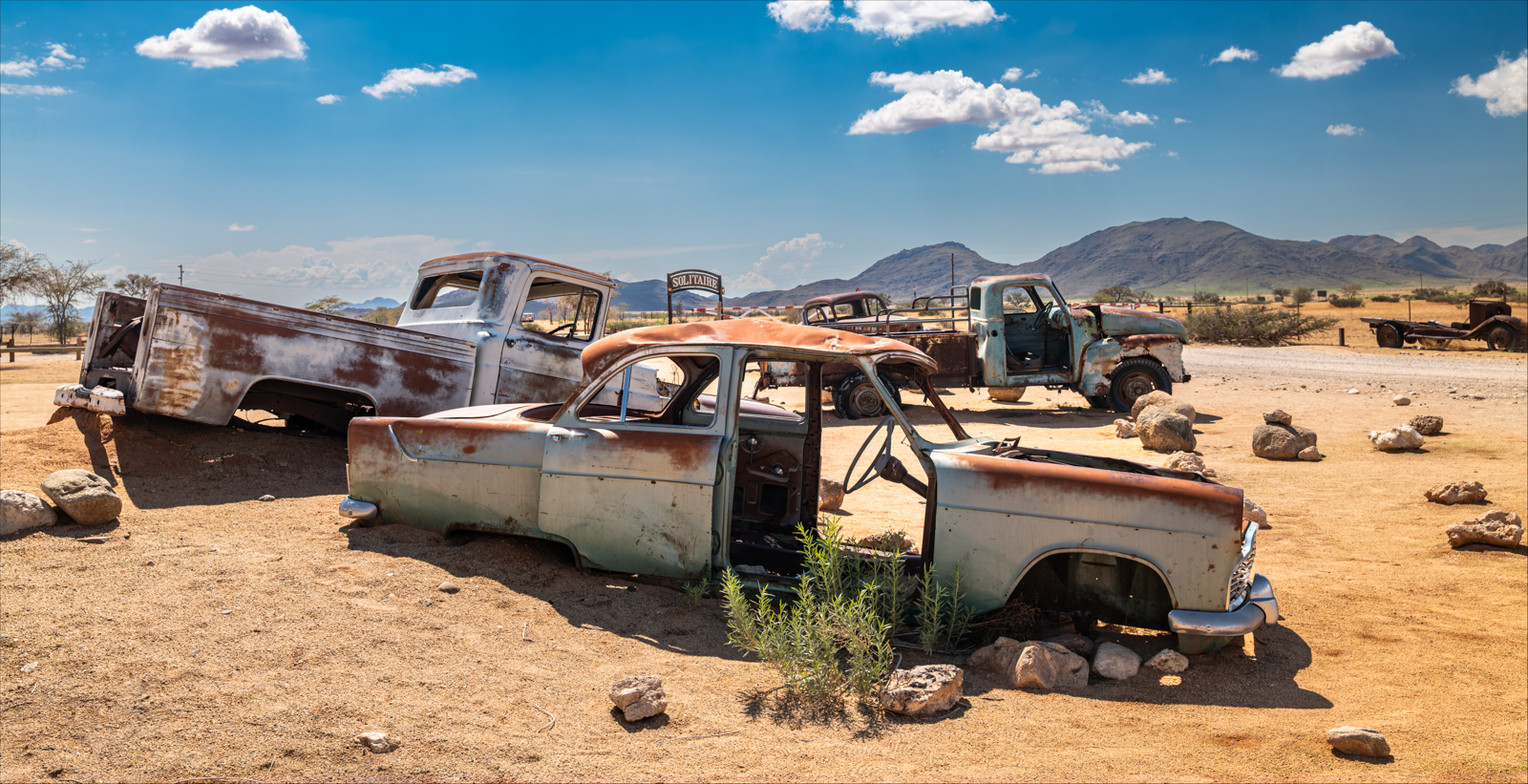
Above: Solitaire, a great little place we stopped for lunch. It had an interesting bunch of vehicles there which had been left to die in the desert.
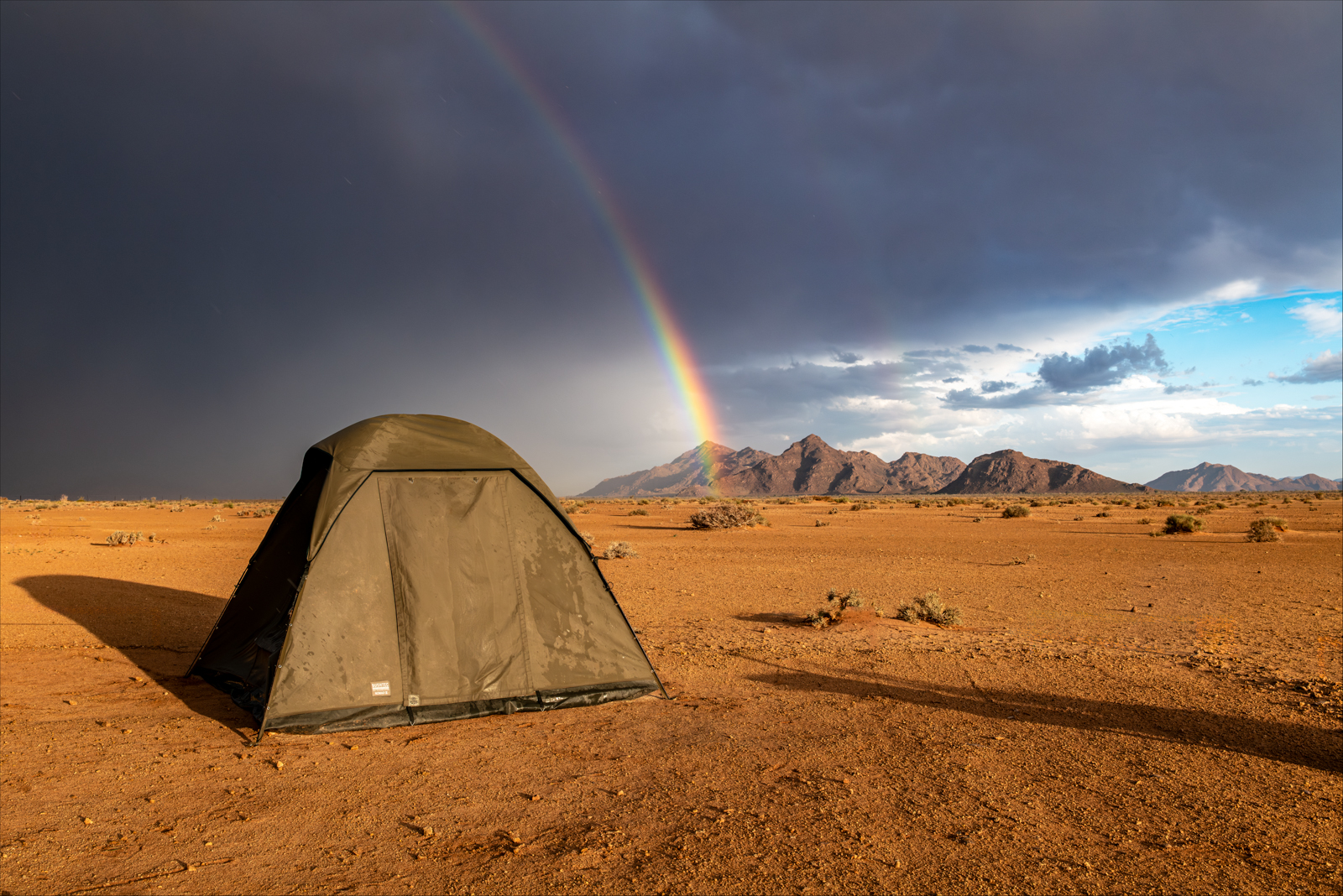
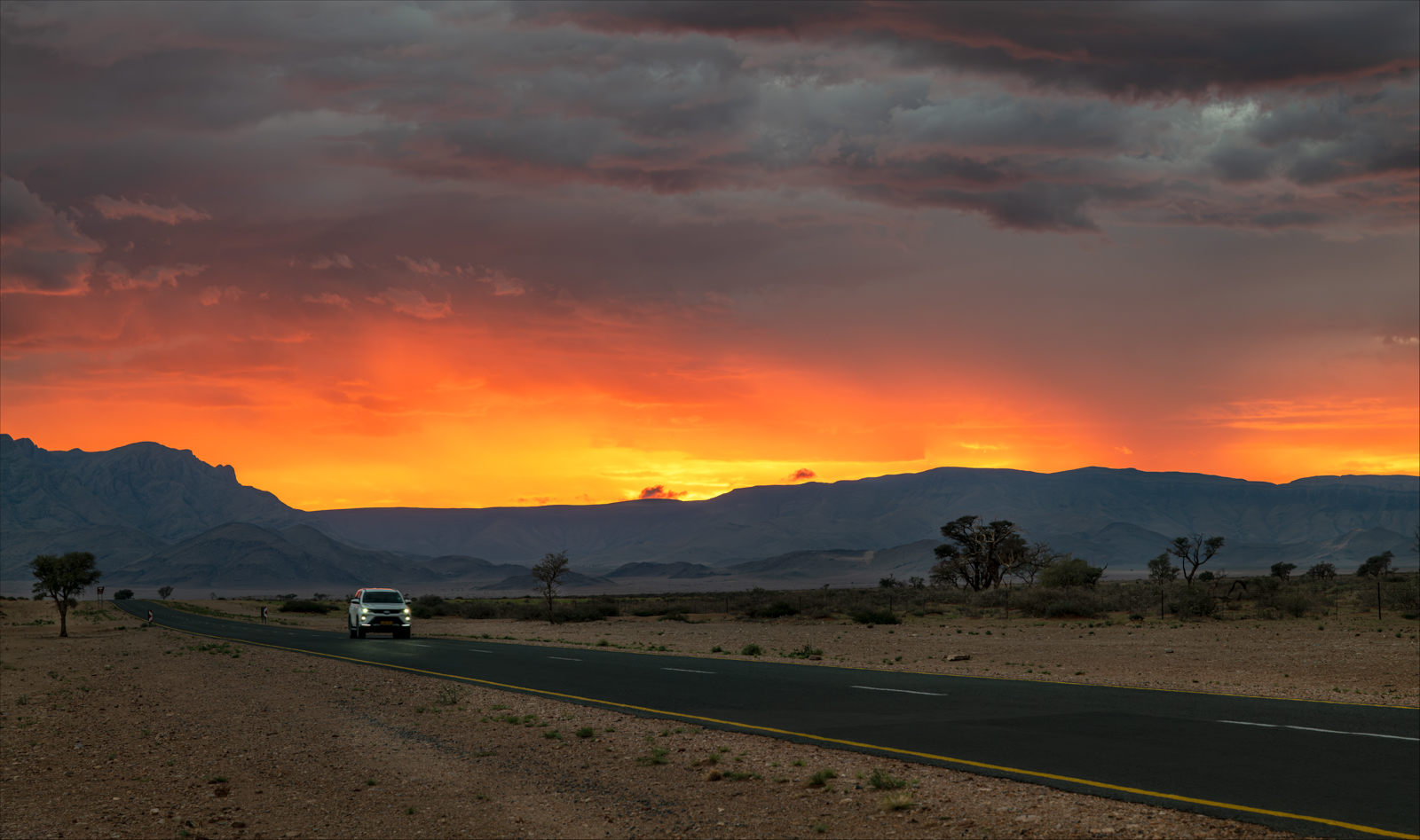
Above: we camped for two nights in the Namib Desert and there was one almighty storm as we tried to get the tents up. We had to take shelter while the storm passed, but once it did the sky was absolutely spectacular.
NAMIB DESERT
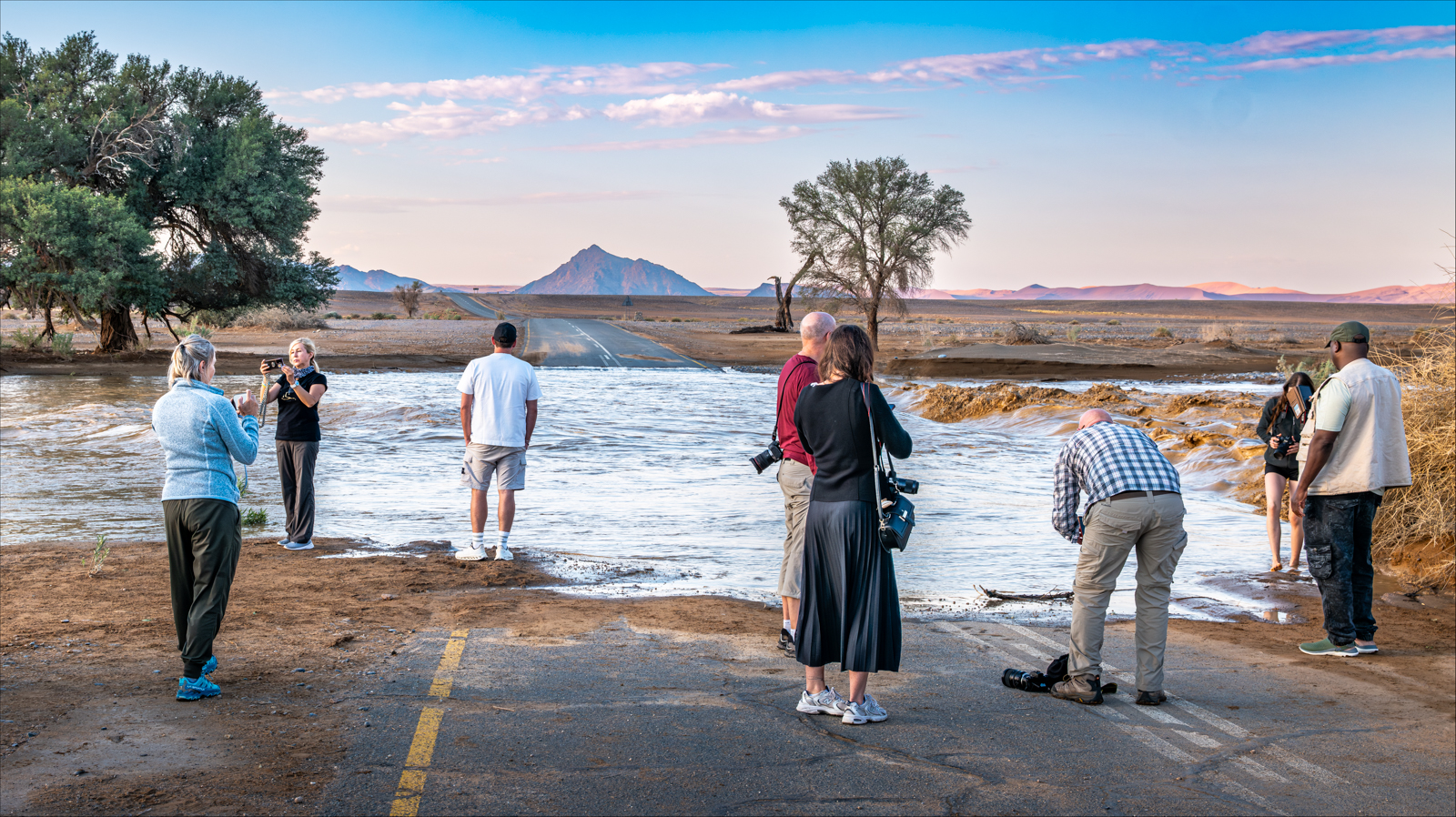
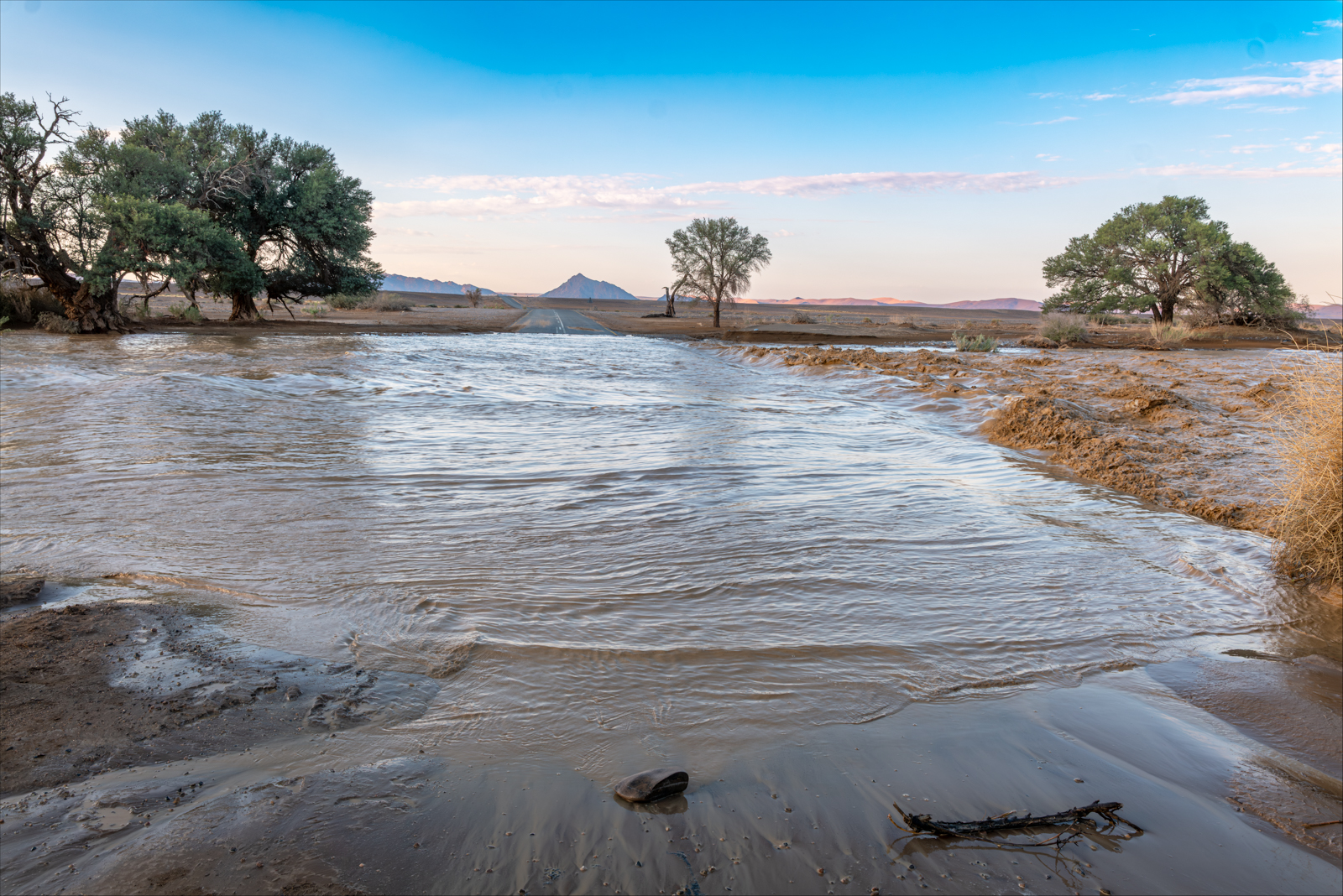
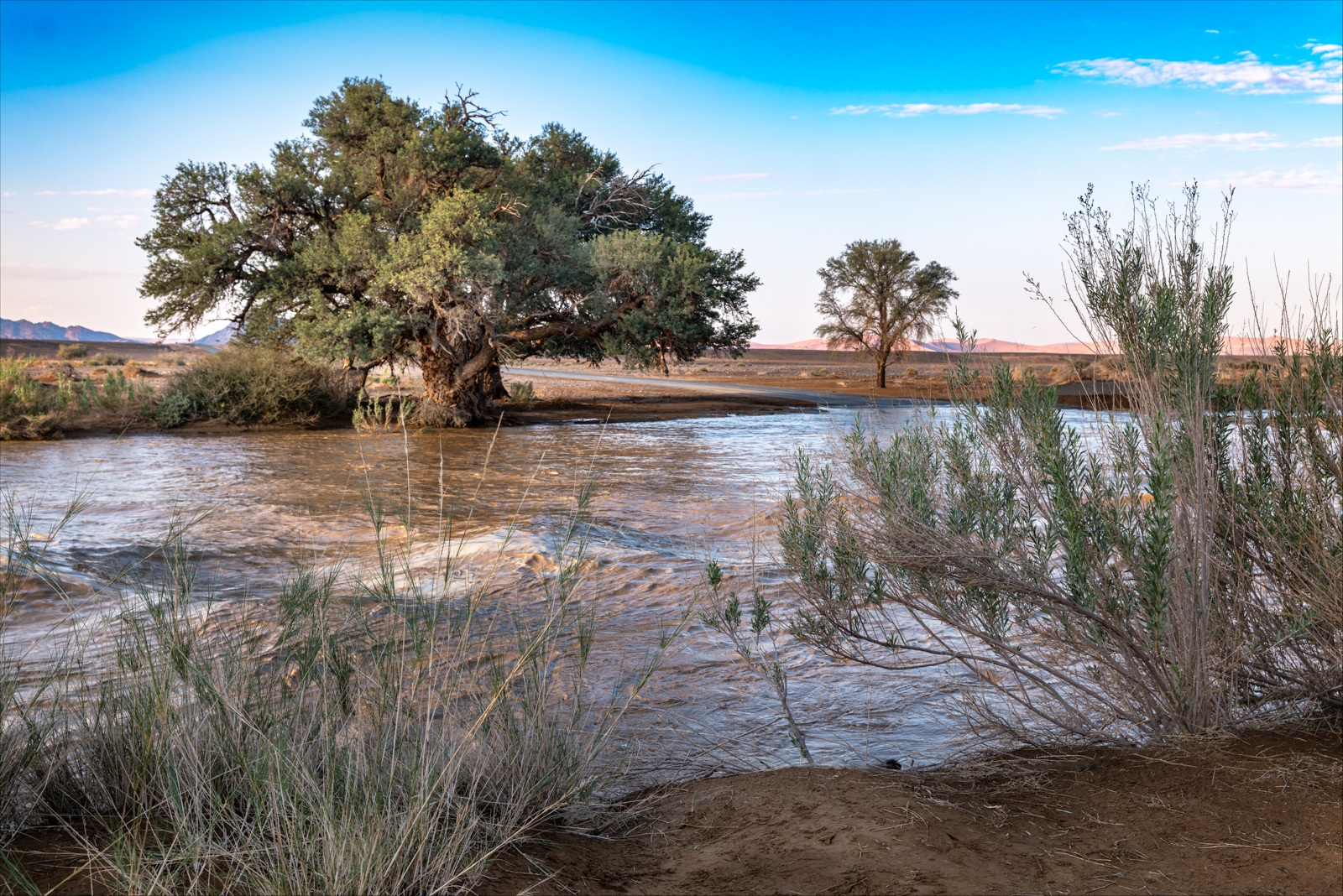
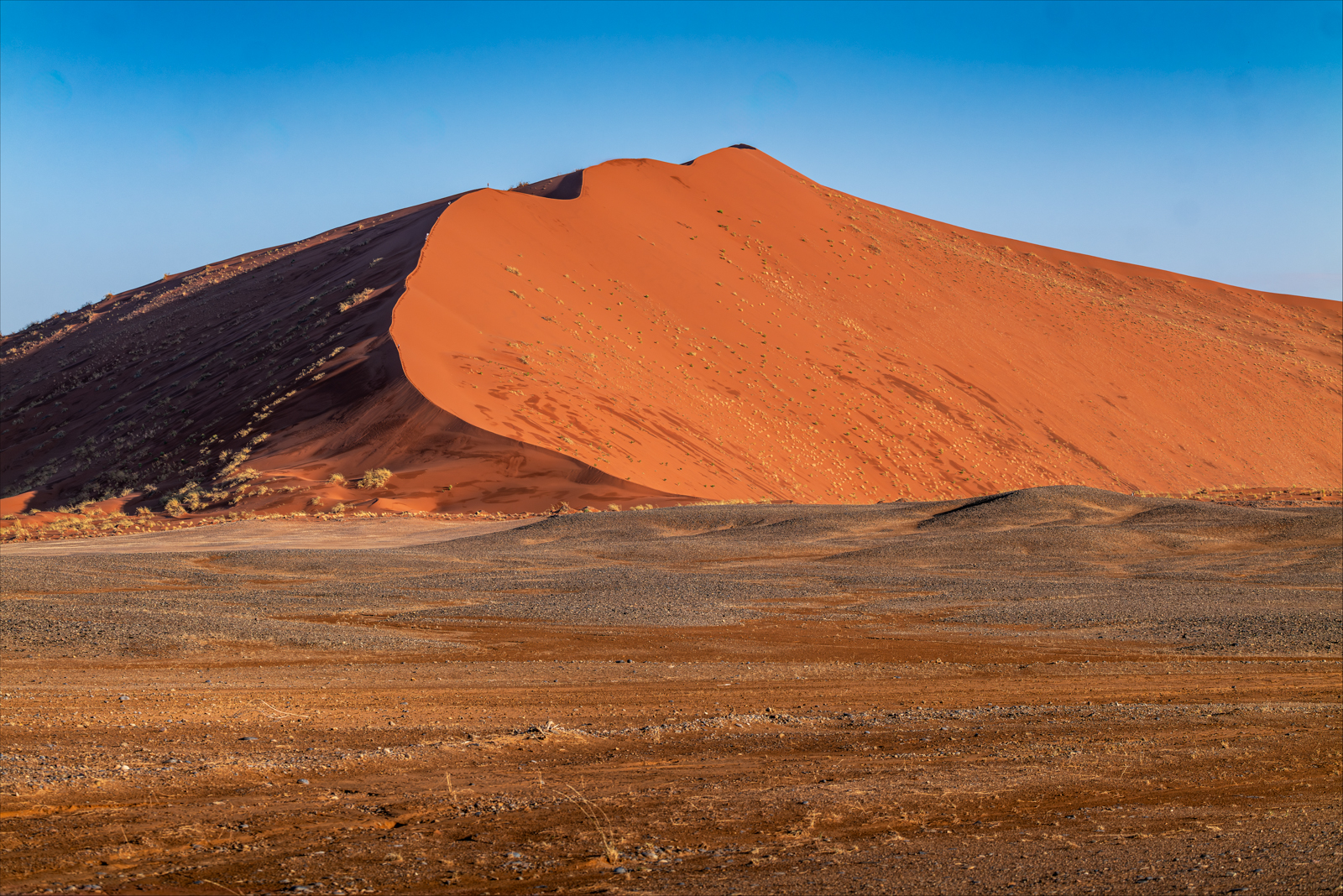
Above: we had planned to spend the day in the Namib Desert, visiting the Sossusviel Dunes, but after an early start, when the weather looked very suspect, we found the road had been washed away by the rains last night. We waited some time to see if the flood would subside but it became obvious we would not be able to cross that day. This scuppered our plans and lead to a lengthy diversion to avoid the floods.
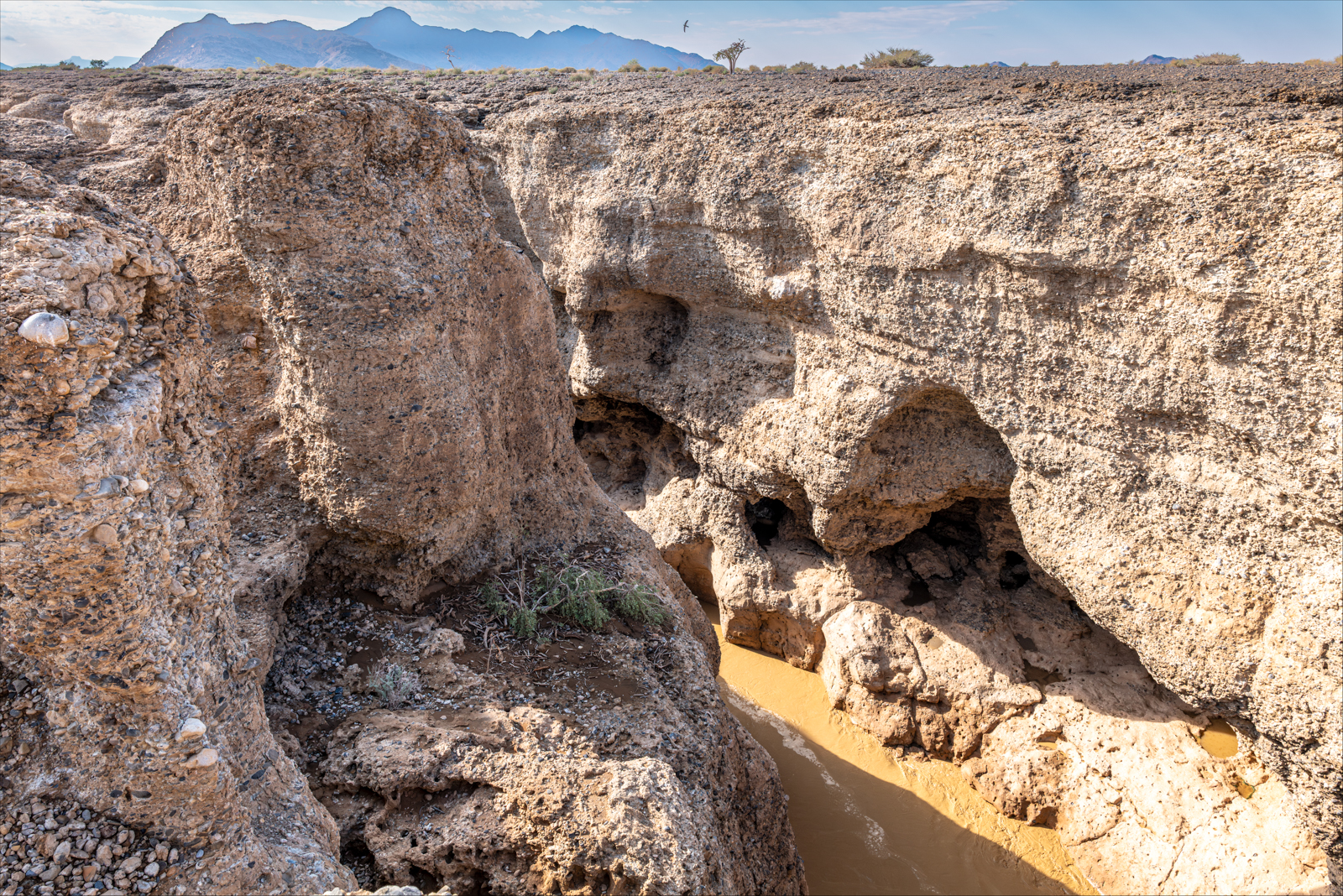
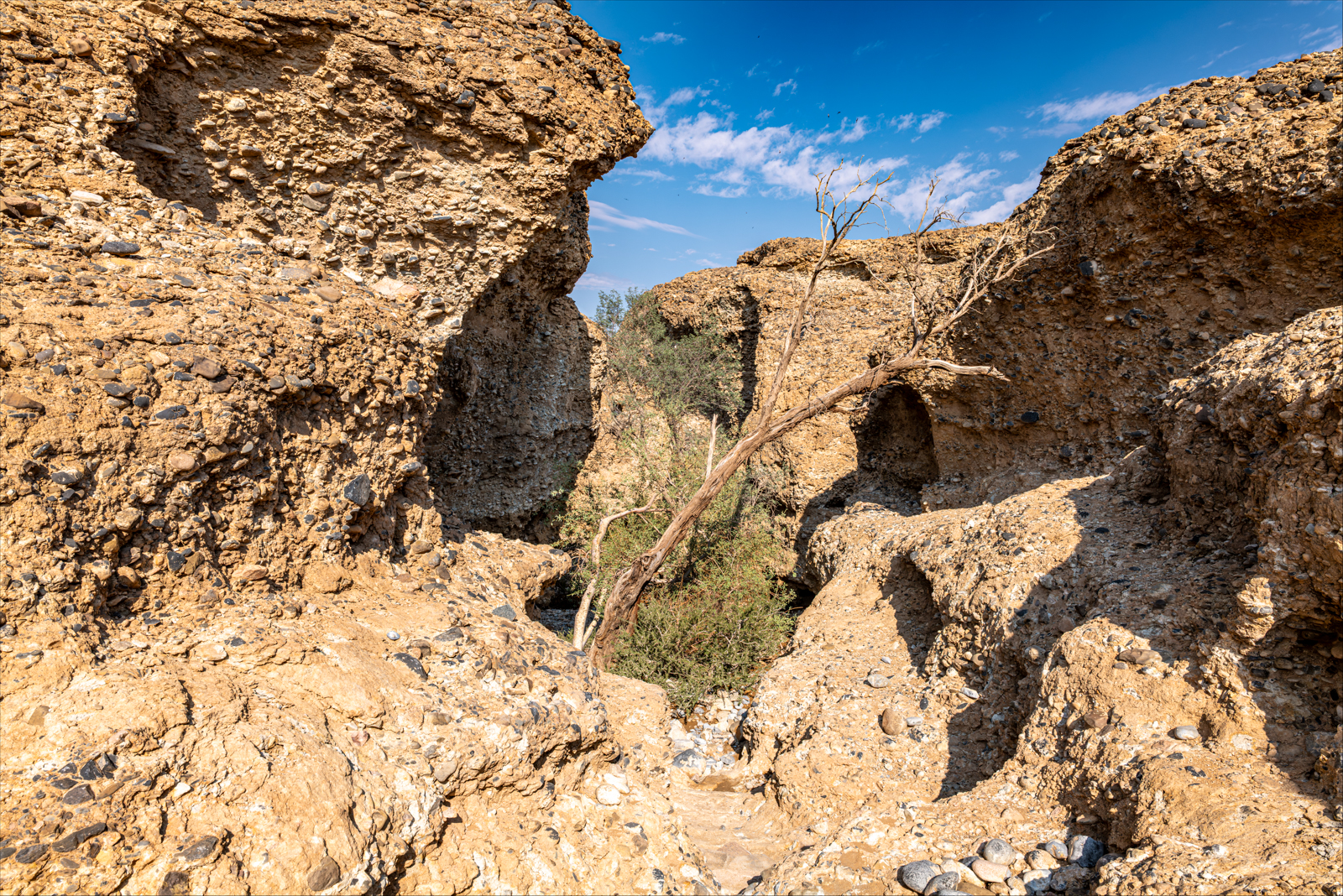
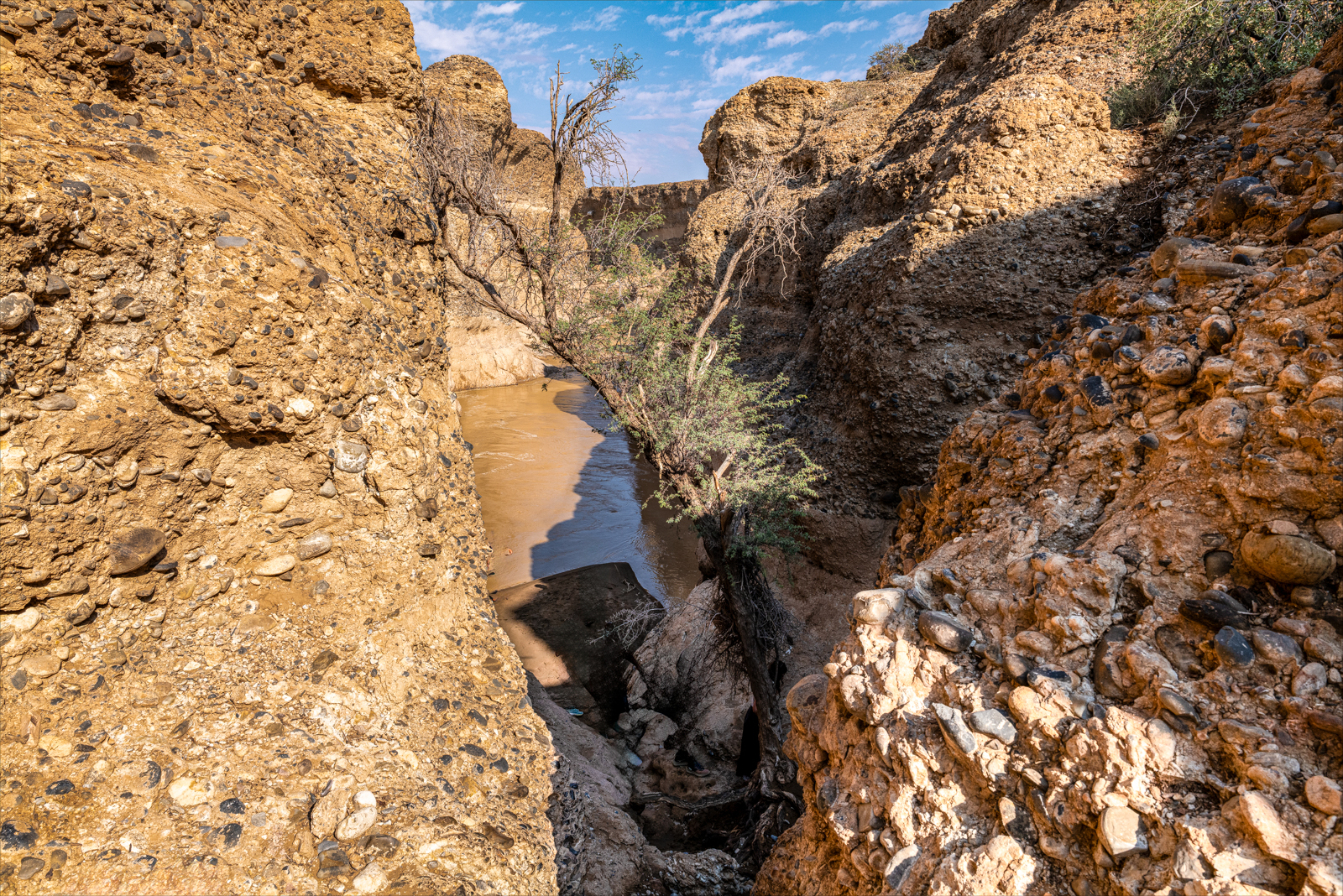
Above: the day wasn’t totally lost, as by making a diversion we managed to get to the Sesriem Canyon. The Tsauchab River flows through the canyon every five to ten years and so we were lucky to see it in flood.
NAMIB DESERT TO KEETMANSHOOP
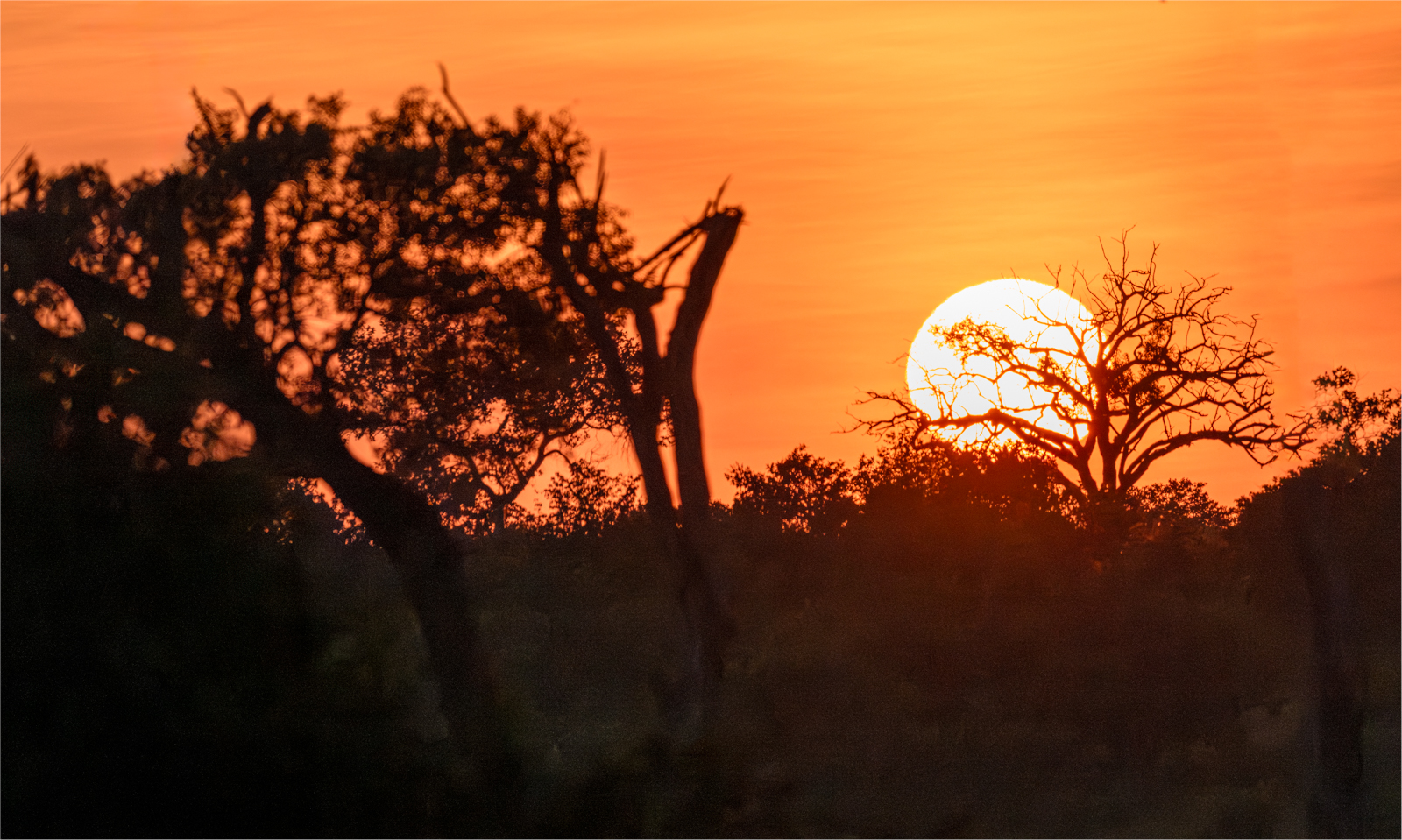
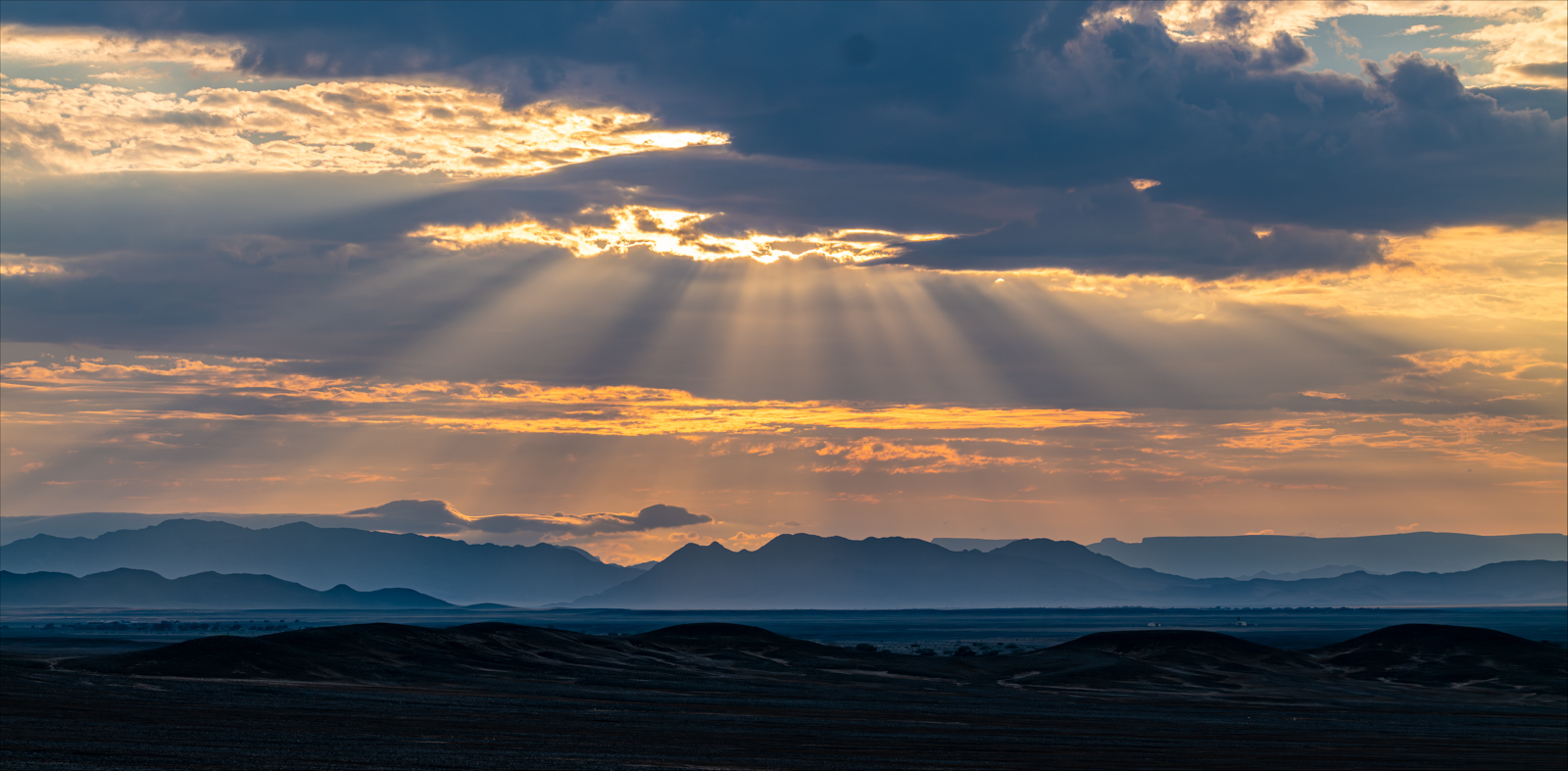
Above: the only advantage of an early start is to capture a magnificent African sunrise.
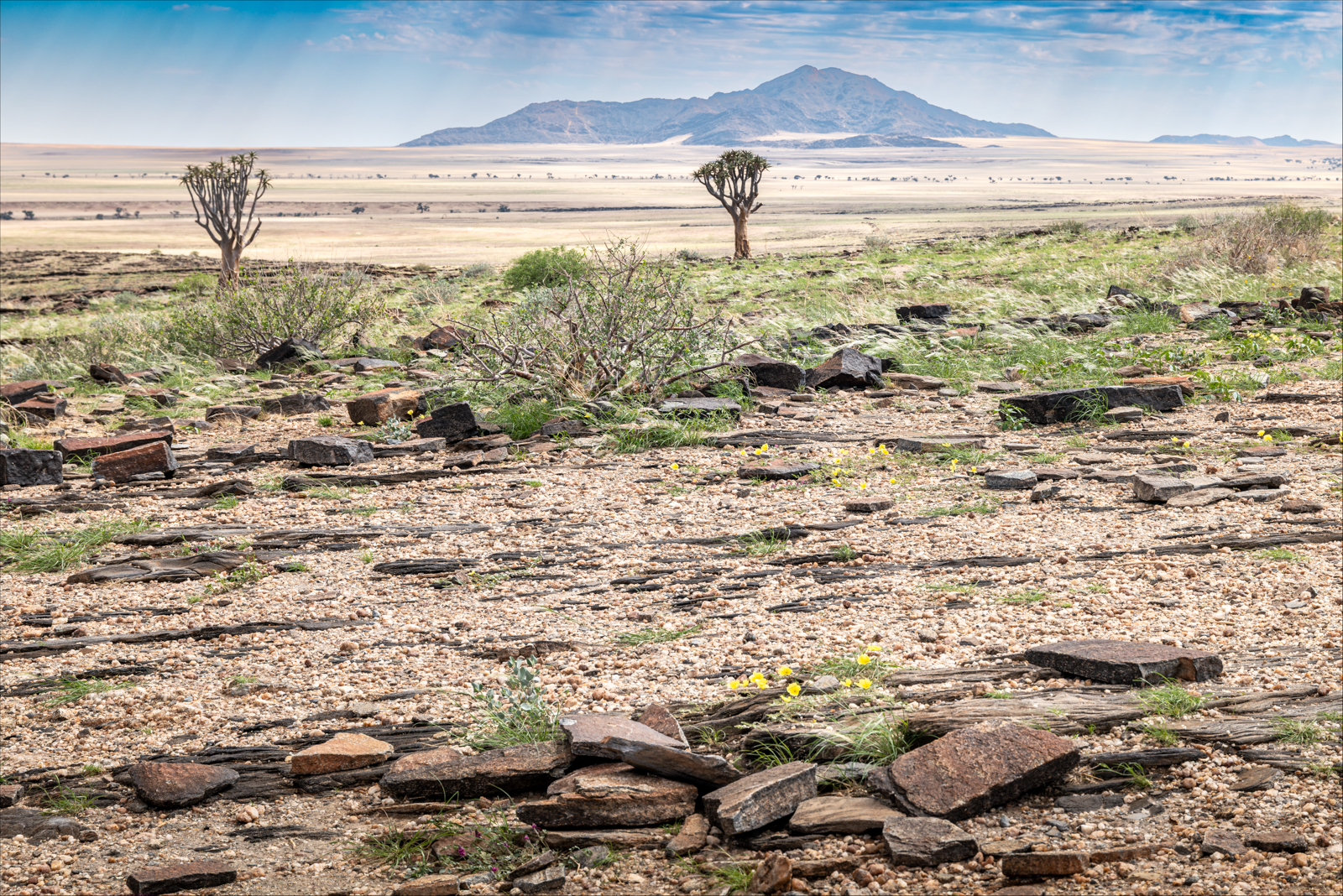
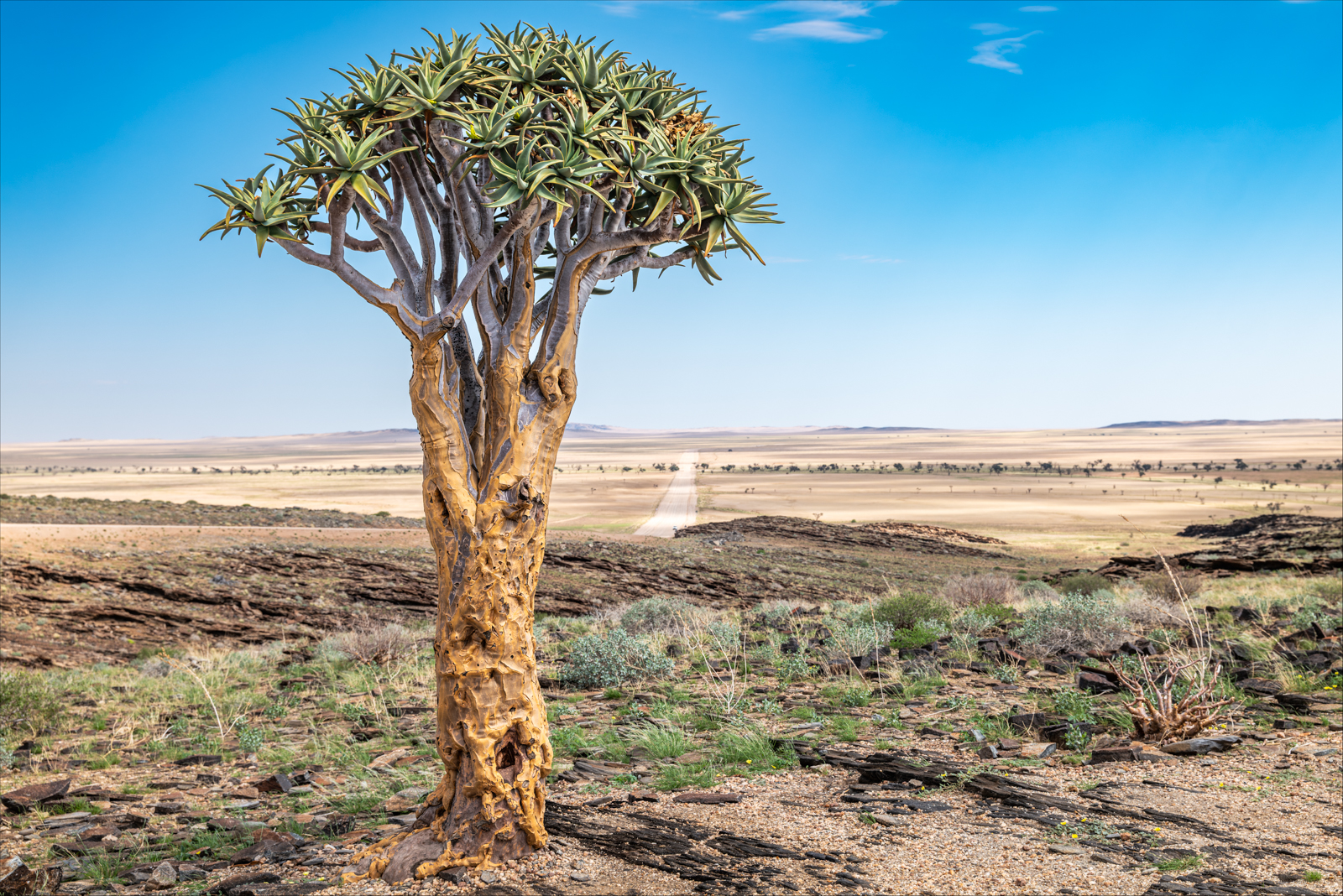
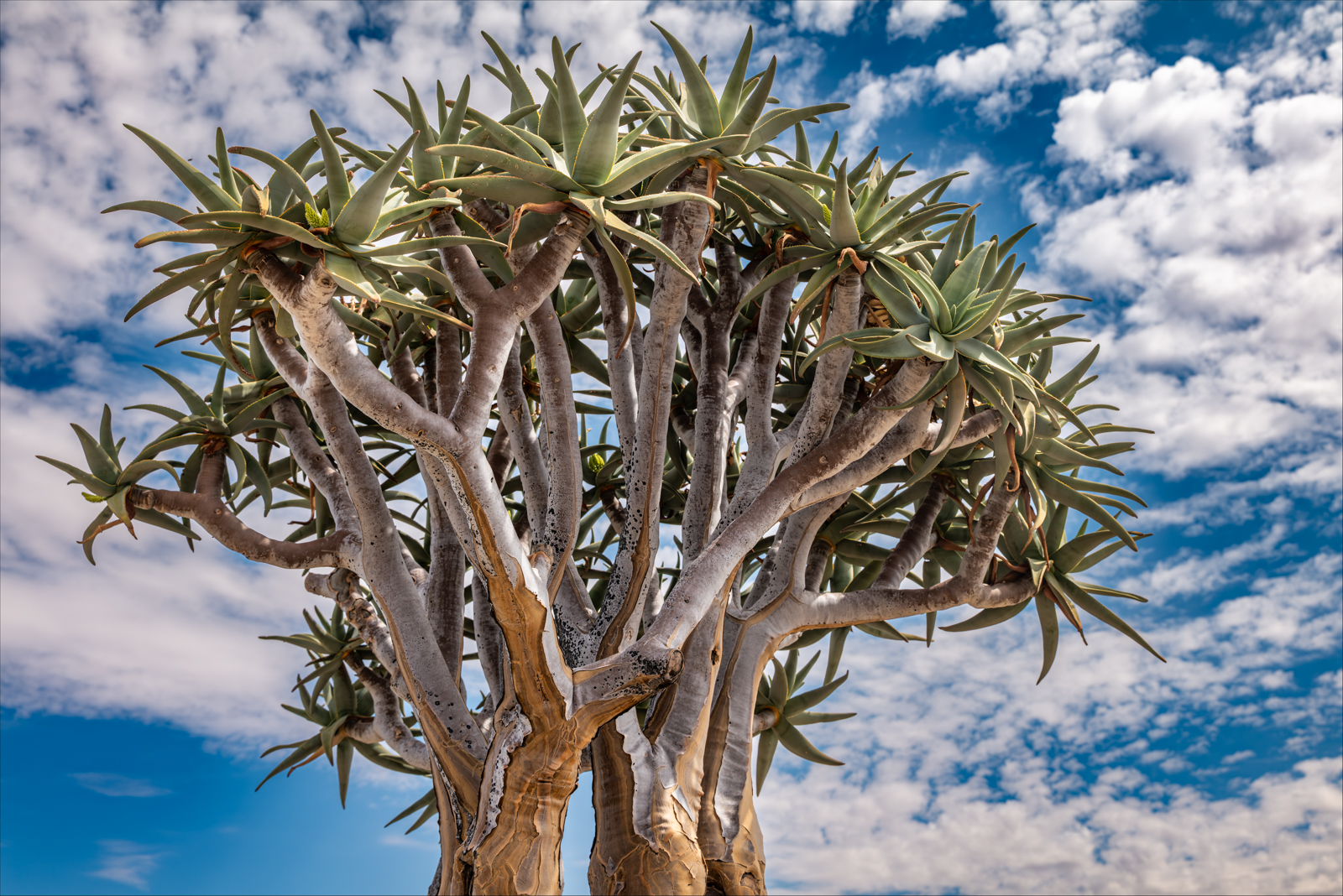
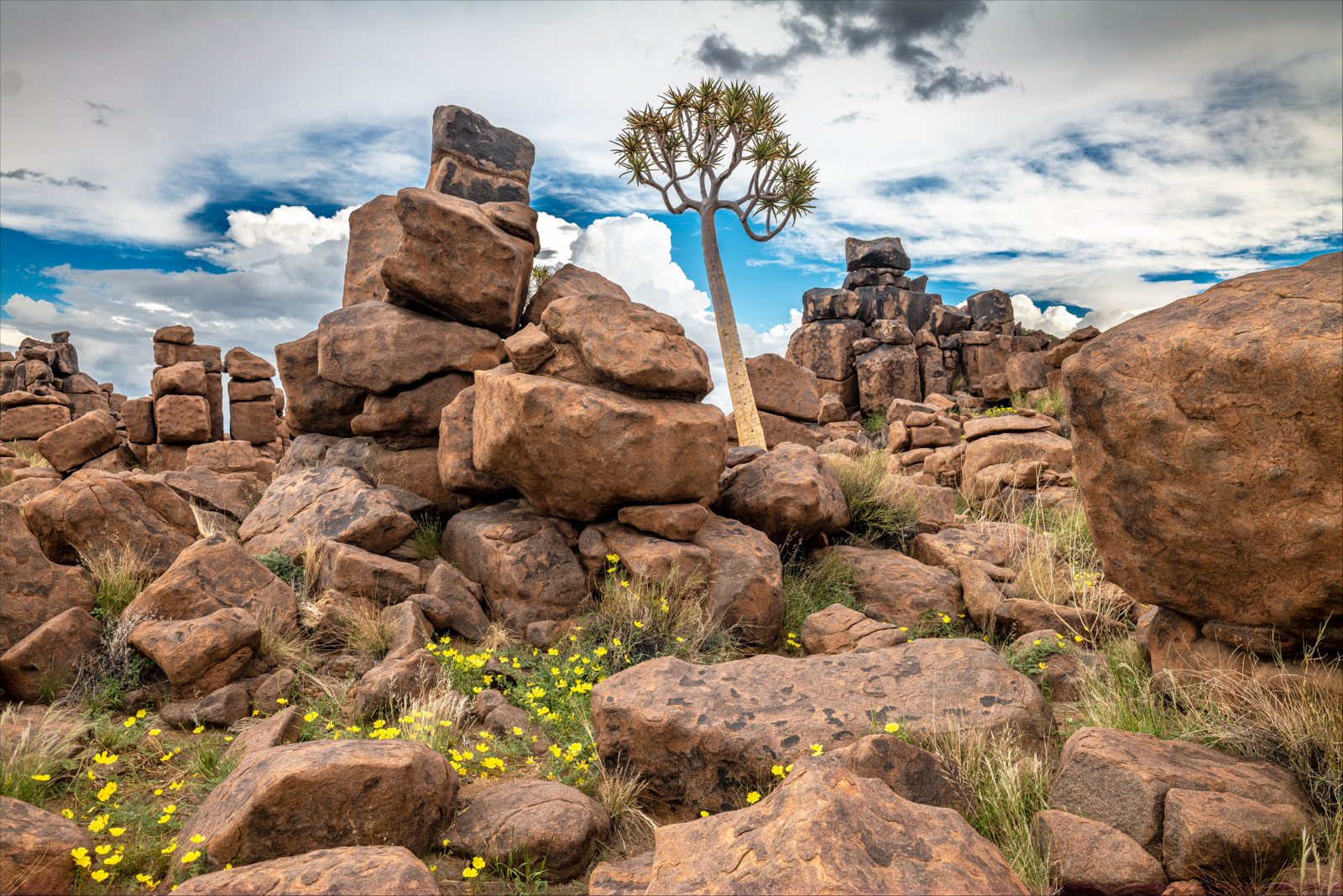
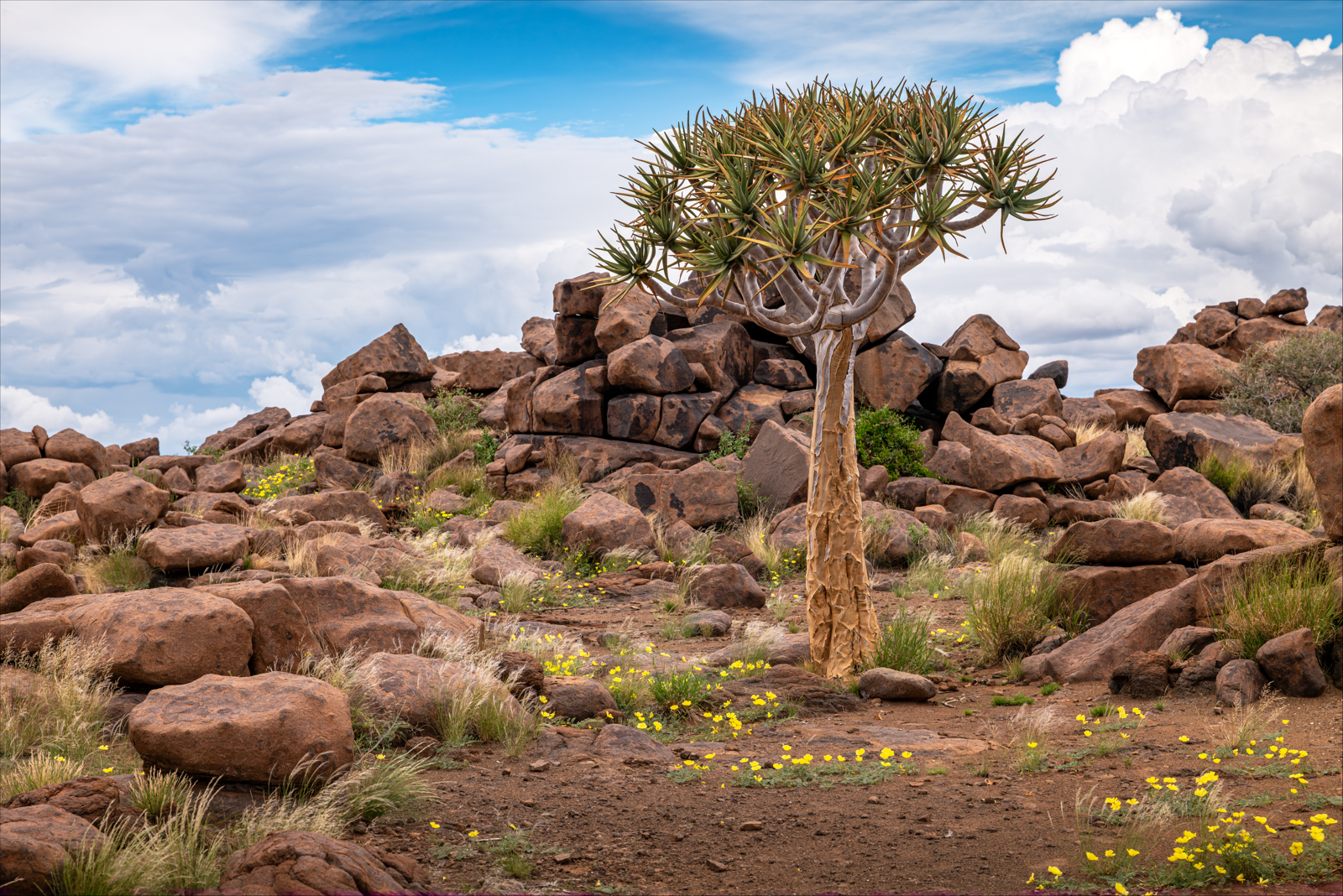
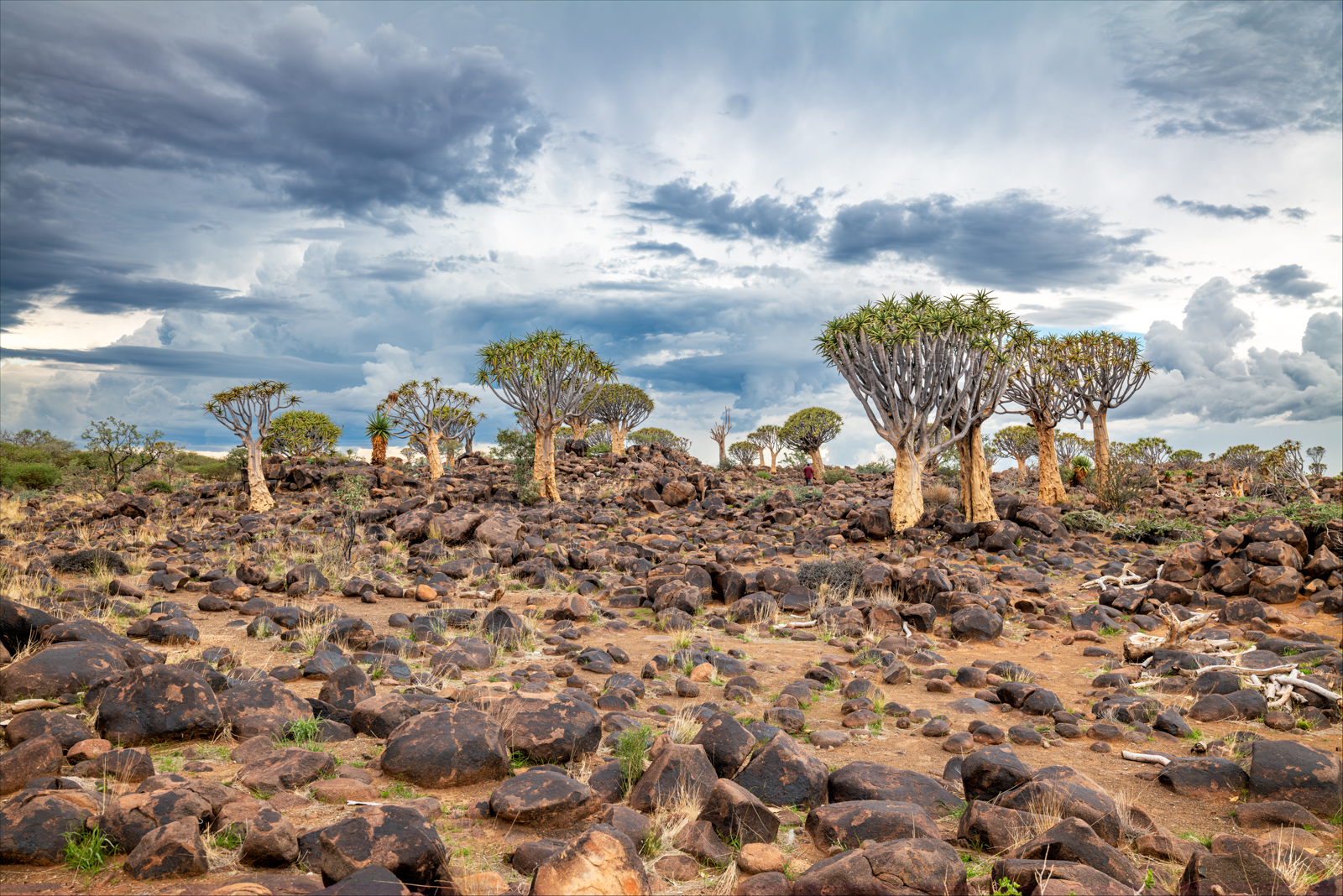
Above: couple of shots taken in Quiver Tree Forest.
ORANGE RIVER TO LAMBERT’S BAY
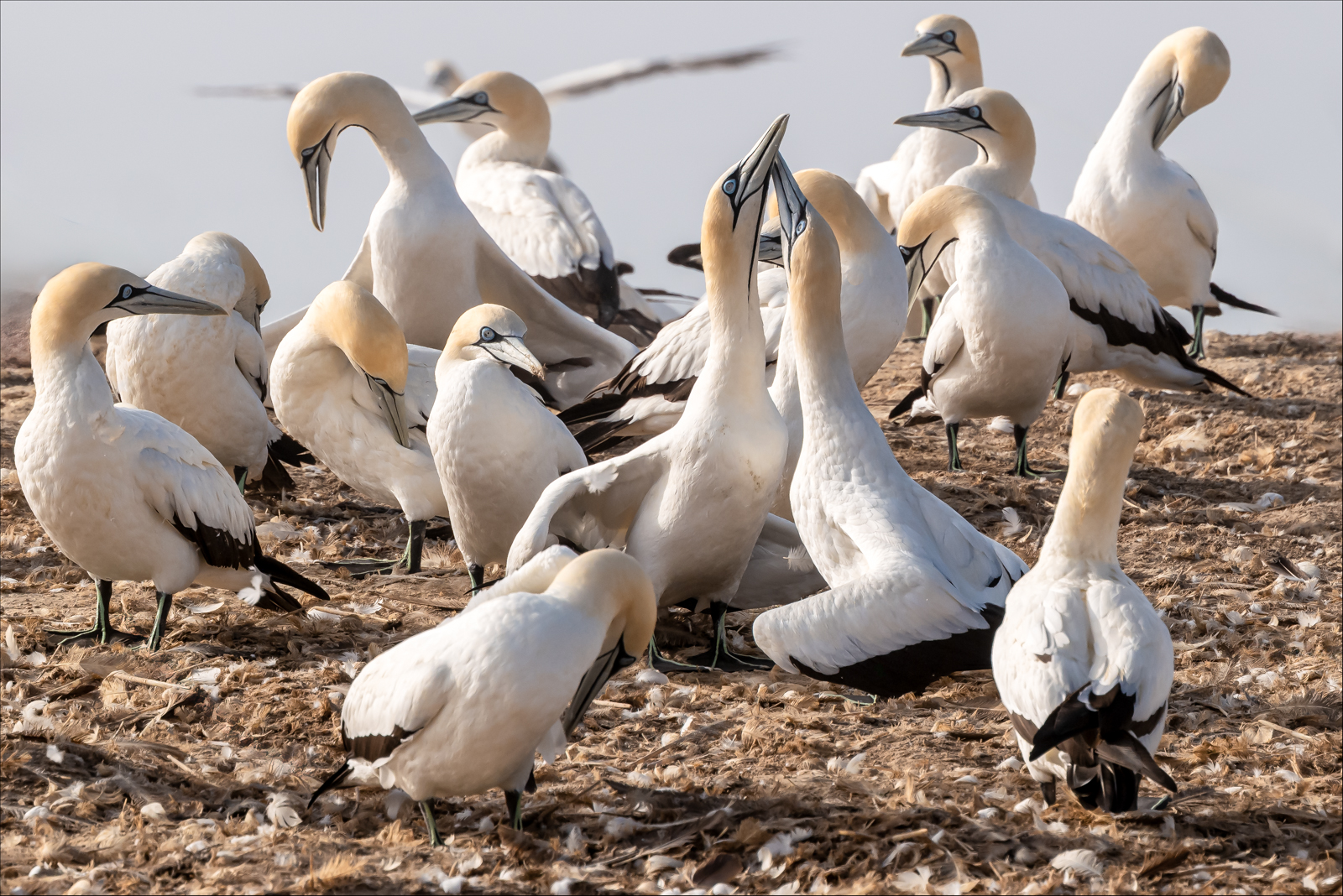
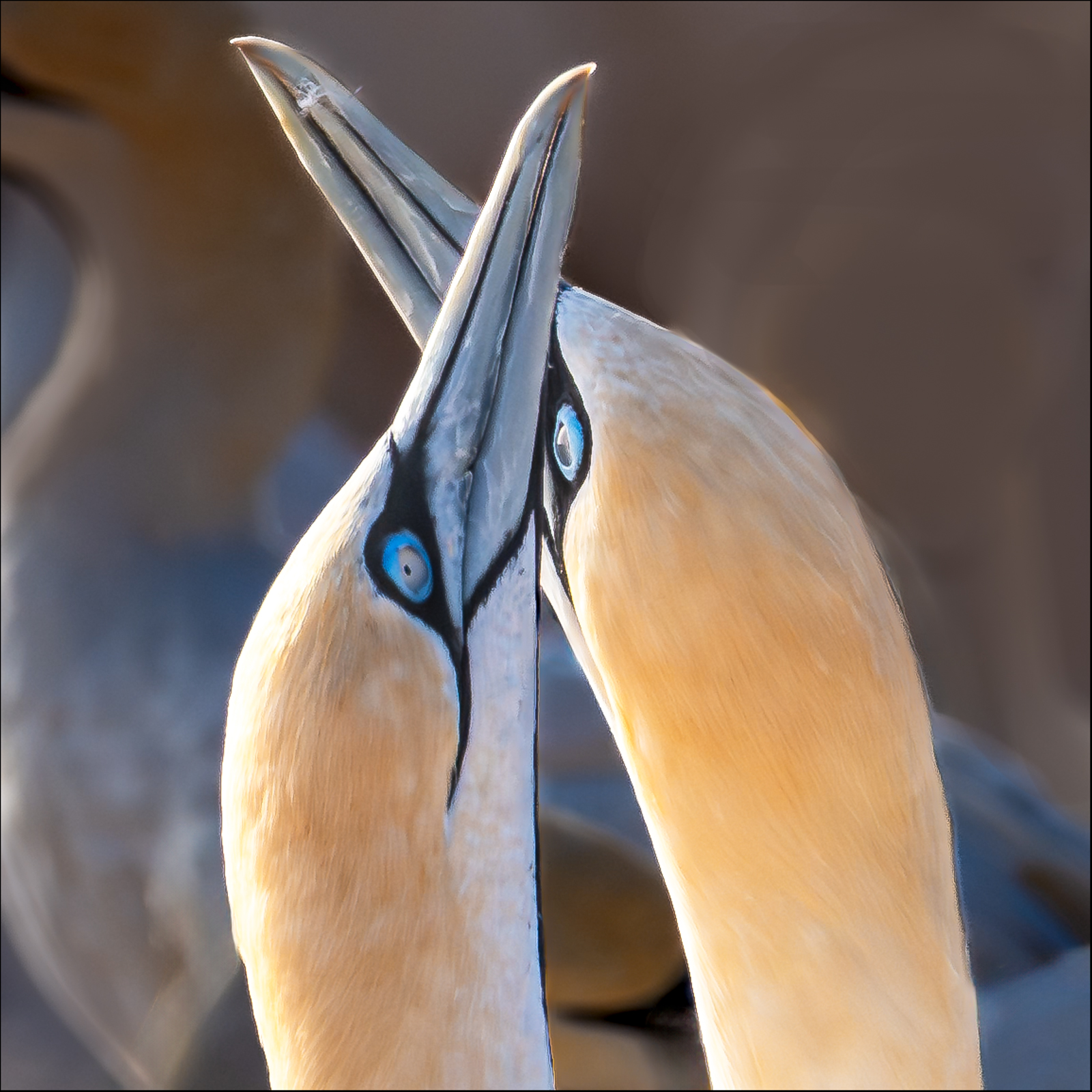
Above: Gannets taken at Bird Island on the shore of Lambert’s Bay in South Africa.
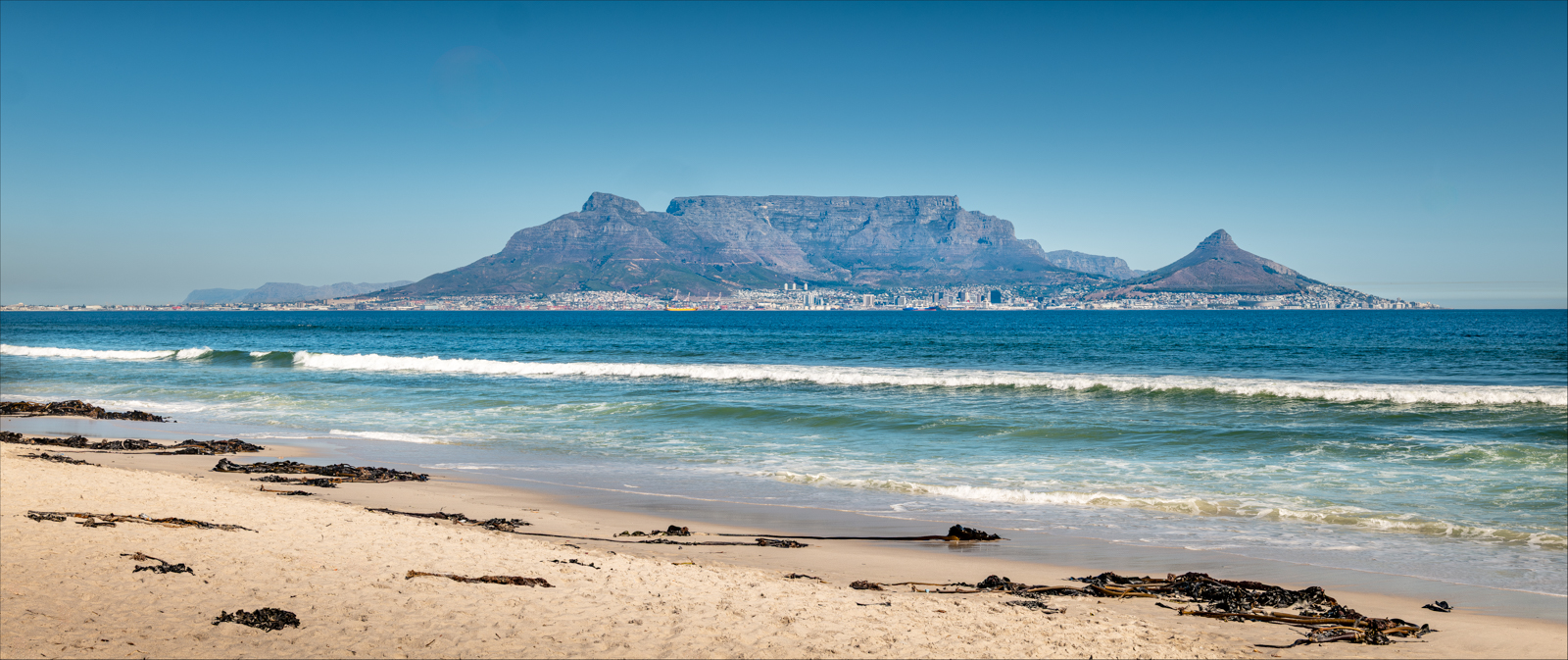
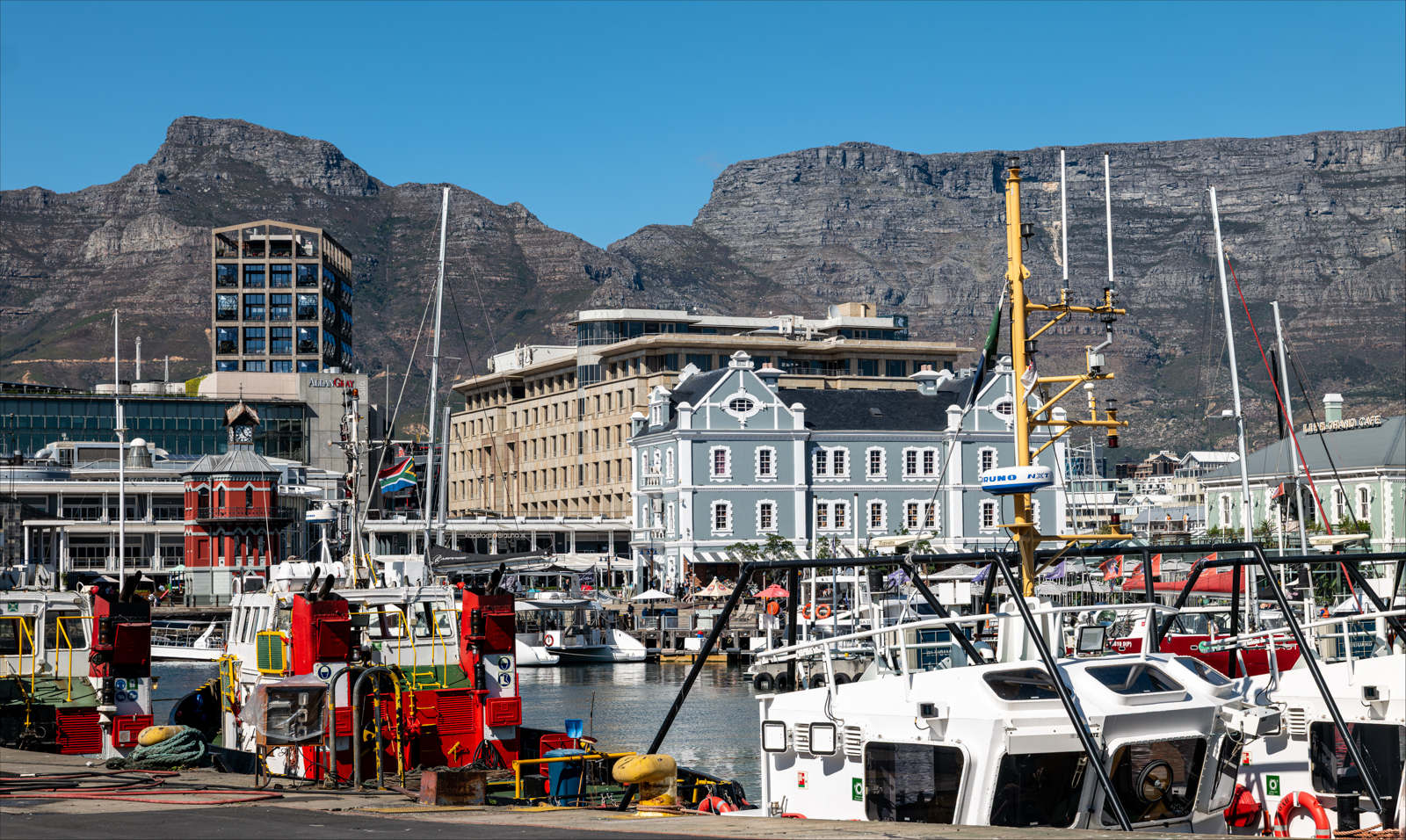
Above: our first view of Table Mountain in Cape Town. Sad to know that our journey was coming to an end; what an incredible experience.
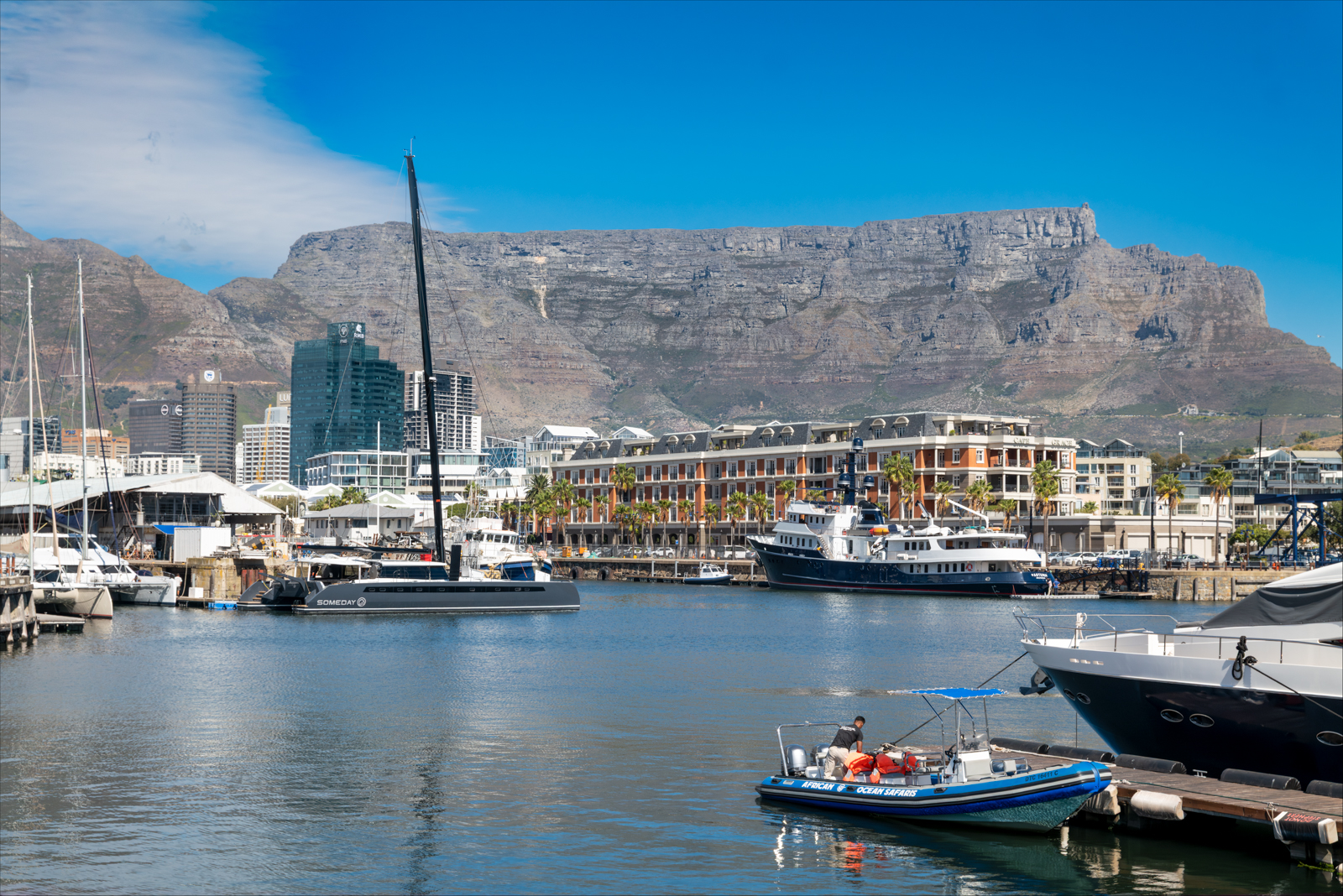
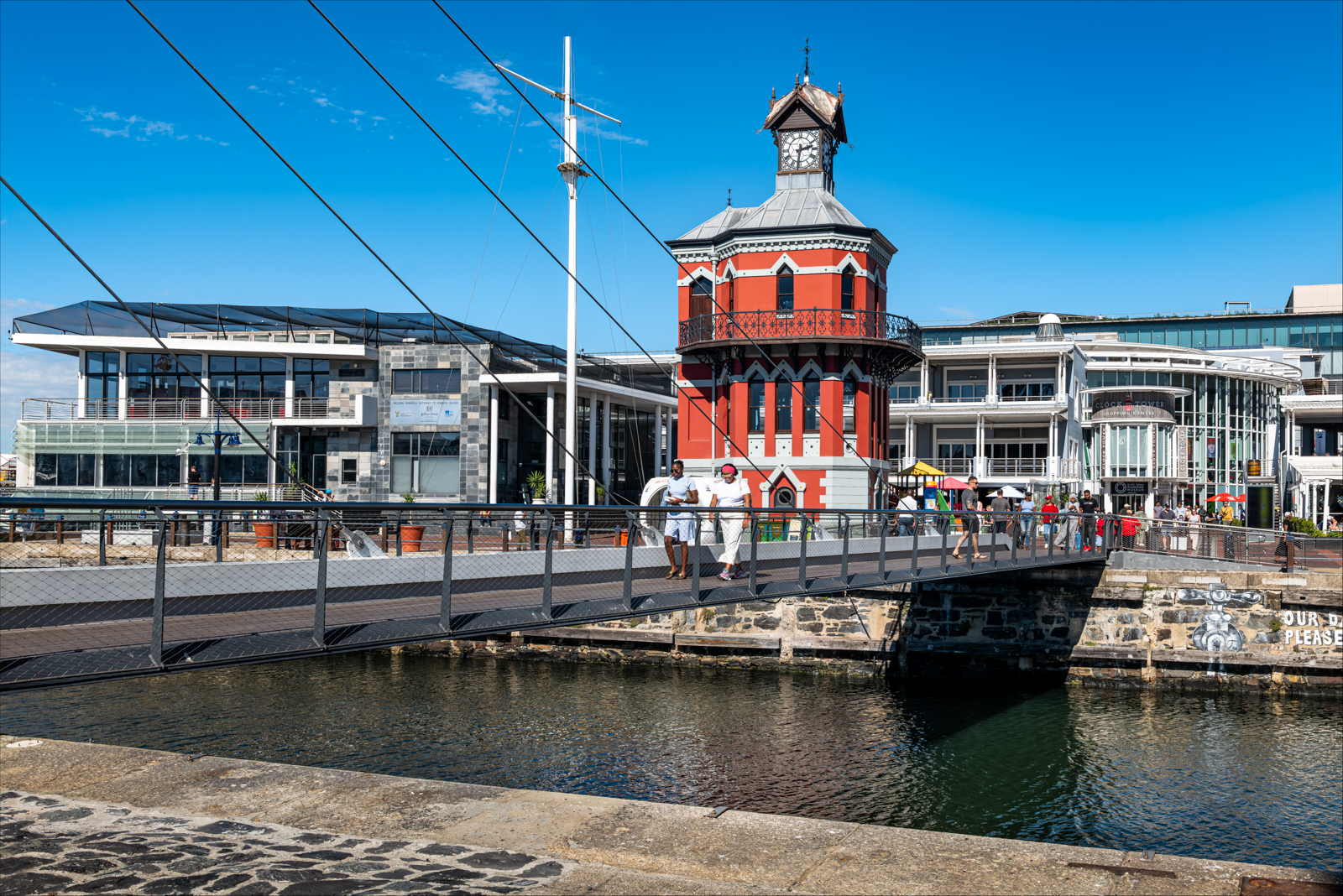
Above: we always enjoy Cape Town and so stayed for an extra night in the Victoria and Albert Waterfront Area.
Photographic Equipment: I knew when we booked the trip that my much loved Leica M rangefinder cameras would not be practical and so decided on a couple of Leica SL2 mirrorless camera bodies. Weight was going to be a problem but having invested in such a trip I wanted to take enough to cover all needs. I therefore ended up taking the 16-35mm Leica SL Vario, the 24-70mm Vario, a 90-280 Vario and a 500mm f5.6 Sigma lens. I hardly used the 16-35mm and if I were to do a similar trip would probably leave it at home. I forgot to pack a wet sensor cleaning kit and at one stage the sensor had so much dirt on it (even though I used a rocket blower ever time I changed a lens) that I used a lens spray, a micro cloth and my little finger to clean it.